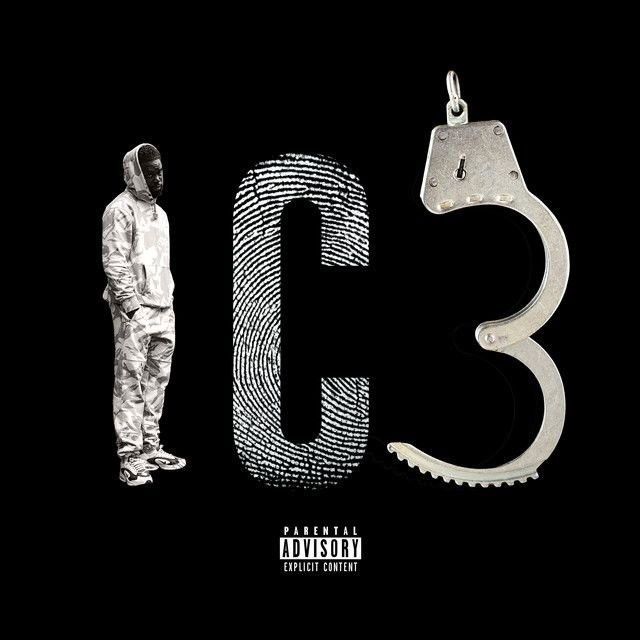
IC3 by Ghetts, Skepta
Why This Track Hits So Hard
The meaning of IC3 Ghetts, Skepta starts with identity, pride, and survival. On the surface, the song sounds like a pure clash record: sharp threats, chest-out confidence, and nonstop competitive energy. But underneath that, they are doing something bigger. They are turning street-coded grime language into a statement about Black self-worth, earned status, and refusal to be reduced by outsiders.
"IC3" - Ghetts ft. Skepta
Draw back and fire
My nigga dem ride out
Loading lyrics...
Unable to load lyrics
We're unable to display the lyrics at this time. Please try again later.
The title points listeners toward that deeper layer. In the UK, “IC3” has long been used in police identification codes for a Black person. Ghetts and Skepta reclaim that label and flip it into a crown. When they repeat the hook about looking in the mirror and seeing a king, they are rejecting the idea that institutions get to define them.

Watch the official IC3
music video
From Police Label to Self-Definition
That reclaiming move is the song’s center. The repeated line I see king
turns a cold category into a proud self-image. Instead of accepting a box built by surveillance, they answer it with self-recognition. That is why the hook feels simple but powerful.
Look in the mirror, I see kingI see meI see who? I see what? IC3
The idea is clear even without the full lyric sheet: they are saying Blackness is not a mark of suspicion, but a source of dignity and authority. Interpretation: the mirror image matters because it shifts power inward. They do not wait for praise, permission, or inclusion. They name themselves.
Success, Pressure, and What It Cost
The verses widen that message. Both rappers connect present success to hard origins in London estates, poverty, and criminalized environments. When Skepta says he was once trapped in flats and now became one of the “powerful black men,” the song frames success as both victory and testimony. They are not pretending the road was clean.
That honesty matters. They describe pressure, losses, and violence as part of the landscape that shaped them. A phrase like make diamonds
presents hardship as transformation. It is a classic rap image, but here it also fits grime’s history: artists making culture out of neglect, exclusion, and stress.
There is also a generational feeling in the song. They are looking back at younger versions of themselves while standing in the present as veterans. That gives the track its weight. This is not only boasting; it is boasting with receipts.
Grime Royalty Talking to Their Own Era
For U.S. readers, some of the force comes from context. Ghetts and Skepta are major figures in grime, a UK style built on fast tempos, aggressive flows, pirate-radio energy, and local slang. Skepta’s work with Boy Better Know helped push grime worldwide, while Ghetts built his reputation as one of the scene’s fiercest lyricists.
So when they rap like elder statesmen, that status is earned. References to radio not playing them and then taking the sound global are not random flexes. They point to grime’s long fight for mainstream respect. The song sounds like two artists reminding everyone that they survived the culture wars and outlasted trend cycles.
A brief mention of Skepta declining an MBE also adds to that stance. Reporting around that decision, covered by outlets such as The Guardian, supports the song’s picture of him resisting official approval when it clashes with his values.
Violence as Style, Memory, and Warning
A lot of the track uses violent imagery. That should not be flattened into one meaning. In grime, battle language often works as performance, dominance, and lyrical sport. Phrases like draw for the 'chete
or pressing semi
create threat, but they also show technical aggression and intensity.
Interpretation: in “IC3,” that violence does three jobs at once:
- it preserves grime’s raw battle DNA
- it reflects environments shaped by danger
- it warns against disrespect in both music and society
The key is that the song does not separate art from lived reality. Their menace feels theatrical at times, but never fake. Even when the lines are exaggerated, the emotional truth is pressure, vigilance, and readiness.
The Politics Beneath the Flexes
One of the song’s most striking moments pushes directly into history and race. When Ghetts answers the idea of being told to go back where he came from, he links modern racism to empire and stolen wealth. That verse changes the temperature. Suddenly the track is not only about individual pride; it is about colonial memory and Black belonging.
That is why the bragging on “IC3” carries unusual force. Jewelry, business calls, and global success are not just luxury details. They become proof that the men once stereotyped or excluded now hold money, voice, and reach. The flexes answer insult.
They also place responsibility next to status. Ghetts mentions investing in a village in Africa, which expands the song beyond self. Whether listeners read that as literal philanthropy or symbolic connection, it adds a diasporic thread: success should reconnect, not just separate.
How the Sound Sharpens the Message
Production matters to the meaning of IC3 Ghetts, Skepta. The beat is spare, dark, and heavy, leaving lots of room for command. That space makes every bar land harder. There is little softness in the instrumental; it stalks rather than glides.
Their deliveries do different things within that frame. Skepta sounds cool, direct, and steel-eyed. Ghetts is more explosive, with rapid shifts in tone and attack. Together, they create a balance between control and eruption. That pairing supports the song’s themes: authority on one hand, pressure bursting out on the other.
Final Reading: A Mirror and a Warning
At its core, “IC3” is about refusing imposed identity. It turns a police code into a badge of self-rule, places Black pride at the center, and ties personal glory to grime history and social reality. The threats, boasts, and callbacks all feed that central purpose.
For many listeners, the song will feel like a victory lap. Interpretation: for others, it may sound more like a corrective, reminding the world that these artists were always this powerful, whether institutions recognized it or not.
That is why the hook stays with people. It is not just catchy. It is a statement of self-seeing.
Disclaimer: This article offers an interpretation based on the lyrics, artist context, and public reporting. Song meaning can remain open to different readings.








