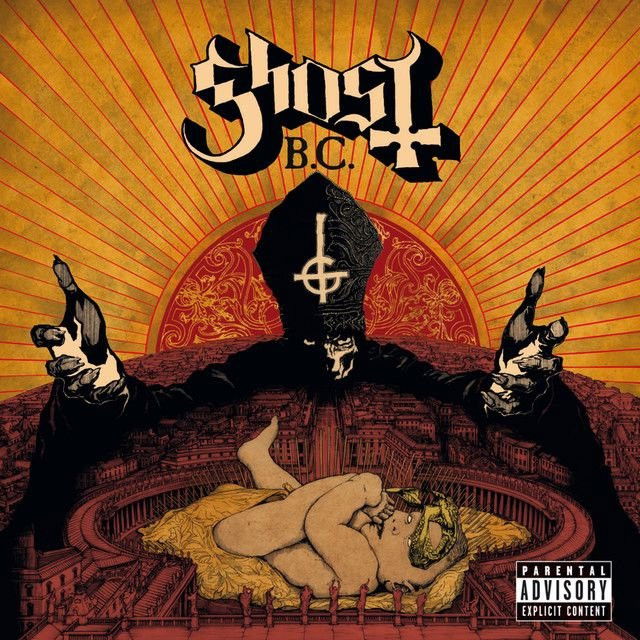
Ghuleh/Zombie Queen by Ghost
Why This Monster Story Matters
The meaning of Ghuleh/Zombie Queen Ghost starts with a simple image: a dead queen rises from the earth and takes power again. But like many Ghost songs, the horror surface is only part of the appeal. They use gothic pictures, camp humor, and a strangely catchy melody to turn resurrection into something both creepy and playful.
"Ghuleh/Zombie Queen" - Ghost
A scent that cursed be
Under cold dark dust
Loading lyrics...
Unable to load lyrics
We're unable to display the lyrics at this time. Please try again later.
The song appears on Ghost's 2013 album Infestissumam, a record that pushed the band deeper into theatrical occult rock. That context matters. Ghost often write songs that sound like dark rituals, but they present them with a wink. In this track, the returning queen feels scary, seductive, and almost glamorous at the same time.
Watch the official Ghuleh/Zombie Queen
music video
The Core Meaning Beneath the Grave Dirt
At its heart, the song is about revival and corrupted majesty. The opening lines describe decay, burial, and a body under the ground. Then that buried figure returns. When the lyrics call her a Zombie Queen
, they are not just naming a monster. They are framing her as a fallen ruler who comes back with a new, unnatural power.
Interpretation: this can suggest more than a literal undead character. It may point to old desires, dead beliefs, or taboo forces returning after being buried. Ghost often blur the line between religious imagery and pulp-horror fantasy, so the queen can feel like a symbol of forbidden power reclaiming the throne.
The phrase Black light guides you
deepens that idea. Rather than holy light leading someone to salvation, this is an inverted kind of illumination. In Ghost's world, darkness often acts like revelation. What should be hidden becomes visible.
A Two-Part Song With Two Faces
One reason the song stands out is its structure. The first section, often thought of as “Ghuleh,” is slow, eerie, and heavy. It describes the queen's return with language about dust, bone, and moonlit horror. Then the track opens up into “Zombie Queen,” which has a brighter, groovier, almost psychedelic feel.
That shift is crucial to the meaning of Ghuleh/Zombie Queen Ghost. The first half sounds like a tomb opening. The second sounds like the monster has stepped into the spotlight. The music changes the listener's role too: first they witness a resurrection, then they are almost invited to celebrate it.
The moon is full and shines
An evil blinding light
These lines present the rebirth as theatrical and cosmic. This is not a quiet return from death. It is staged like a coronation under unnatural light.
How the Lyrics Build a Gothic Myth
The song's verses work like a mini horror film. They move in a clear sequence:
- A dead figure lies buried in corruption and dust.
- She rises from darkness as a seductive evil presence.
- Her old majesty returns in a twisted form.
- She claims power again as the chorus repeats her title.
The word succubus
matters here. It adds erotic danger to the imagery. Ghost are not just describing a corpse; they are creating a figure who mixes sex, death, and authority. That combination is central to the band's style. Their villains are often attractive because temptation is part of the drama.
Another key phrase is usurp the throne
. That makes the queen political as well as supernatural. She is not merely alive again. She is coming back to replace someone. The song therefore carries a theme of overthrow: the old order gets pushed aside by a darker one.
Sound, Production, and the Song's Strange Charm
Ghost are famous for pairing sinister ideas with clean, memorable hooks, and this song is a strong example. On the album credits, the track is credited within a lineup and production style that favored rich layering, vintage keyboards, and sharp contrasts between doom and pop.
The first section leans on slow riffs and an ominous vocal approach. It feels ritualistic, almost funereal. Then the second section brightens with swinging rhythm, warmer harmonies, and a retro rock pulse. Instead of making the queen less threatening, this makes her more magnetic.
Interpretation: the groove suggests surrender. Once the queen rises, resistance fades. The listener is no longer just afraid of her; they are pulled into her orbit. That is why the chorus works so well. Repeating Ghuleh Ghuleh
turns the monster's name into a chant, like a cult calling its leader forward.
Camp, Horror, and Ghost's Bigger Style
Ghost rarely present darkness in a purely brutal way. They filter it through classic rock, church parody, and B-movie horror. “Ghuleh/Zombie Queen” fits that formula perfectly. The song is creepy, but it is also fun. It nods to old monster stories while giving them a theatrical hard-rock shine.
That balance shapes its reception. Fans often love the song because it captures Ghost at their most playful without losing atmosphere. It sounds spooky enough for a horror soundtrack, yet catchy enough to sing along with. That tension is a big part of why the track lasts.
The Best Reading of the Song
The strongest reading is that the queen represents buried darkness returning in seductive form. She is decay made royal, death made beautiful, and evil made strangely inviting. The song does not simply fear that return. It stages it with excitement.
In that sense, the meaning of Ghuleh/Zombie Queen Ghost is less about a zombie and more about the thrill of forbidden revival. What has been entombed comes back stronger, more glamorous, and harder to resist.
Final Take
Ghost turn a resurrection tale into a playful anthem about dark power reclaiming the stage. The song's horror images, repeated title, and dramatic musical switch all support that idea.
This interpretation is based on the lyrics, known Ghost context, and the track's musical design. Like many Ghost songs, it remains open to more than one reading.







