Why 'Differences' Still Feels So Personal
The meaning of Differences Ginuwine comes down to a simple but powerful idea: real love can change a person from the inside out. In this 2001 R&B ballad, they hear a narrator looking back on who he used to be and recognizing that one relationship gave his life new direction.
"Differences" - Ginuwine
Oh, yeah, oh, yeah
To you
Loading lyrics...
Unable to load lyrics
We're unable to display the lyrics at this time. Please try again later.
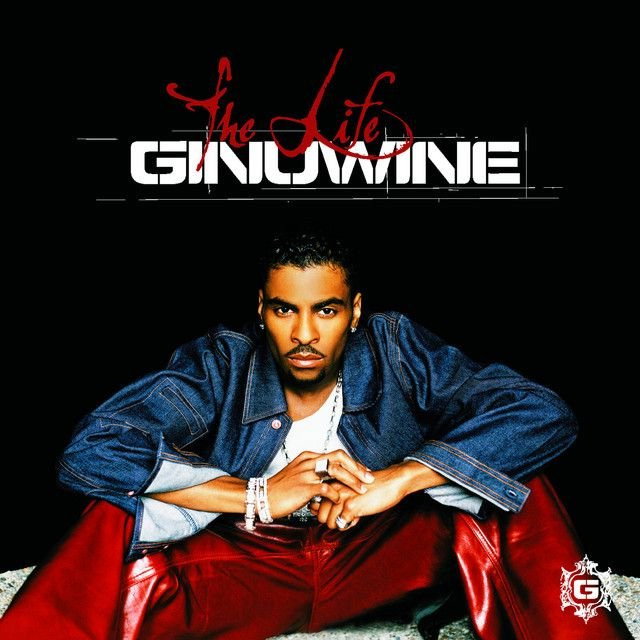
Released on Ginuwine’s third album, The Life, the song was written by Elgin Lumpkin and Troy Oliver, with Oliver also producing it. It became one of Ginuwine’s biggest hits, reaching No. 4 on the Billboard Hot 100 and No. 1 on the Hot R&B/Hip-Hop Songs chart for four weeks.
A Love Song About Change, Not Just Attraction
At its core, the song is not really about first impressions or physical chemistry. It is about emotional transformation. The speaker says my whole life has changed
, and that line matters because it frames love as a turning point, not a passing feeling.
They do not describe romance as something casual. Instead, they present it as the reason he became steadier, more open, and more responsible. When he says this person helped mold me
, the message is clear: love did not only comfort him, it reshaped him.
Interpretation: This is why the song still lands so strongly with listeners. It treats commitment as growth. The partner is not just admired; they are credited with helping him become the version of himself he wanted to be.

Watch the official Differences
music video
The Verses Tell a Before-and-After Story
One of the best ways to understand the meaning of “Differences” is to follow the song’s timeline.
- First, he describes instant recognition. He believes he knew early that this person was different.
- Next, he explains the emotional effect of that relationship: joy, completeness, and calm.
- Then, he contrasts that with his old self, saying he was once
buck wild
and not focused on settling down. - Finally, he describes a mature present, where he now puts his partner first.
That structure makes the song feel honest. It is not just praise. It is a confession that he used to live another way. The relationship becomes meaningful because it creates visible change.
Why the Chorus Hits So Hard
The chorus is memorable because it uses plain language. There is no puzzle to solve. Phrases like you make my life complete
and no one competes
are direct, almost spoken like vows.
That simplicity is part of the song’s strength. Instead of trying to sound clever, Ginuwine leans into emotional certainty. The chorus repeats the same core thought in slightly different ways: this person brought peace, purpose, and stability.
My whole life has changed
Since you came in
I knew back then
You were that special one
That short section explains why the record became a wedding staple. It sounds like testimony. The speaker is not flirting; he is declaring that this relationship reordered his world.
The Key Images: Blindness, Blessing, and Maturity
The song uses a few recurring ideas to deepen its meaning. One is the image of being blinded by love. When he says with you I have no sight
, he is not literally confused. He means he is overwhelmed by devotion and can only see life through the feeling this person gives him.
Another important idea is blessing. Near the end, the song connects the relationship to faith and gratitude, suggesting that this love feels heaven-sent. That move raises the emotional stakes. The partner is not just compatible; they are framed as a gift.
Then there is the maturity theme. The line about being turned into a man
may sound old-fashioned now, but within the song it signals responsibility, focus, and emotional readiness. The point is not that love magically fixes everything. It is that this relationship helped him grow up.
The Real-Life Context Behind the Emotion
The song’s sincerity is easier to understand with context. According to background cited by Wikipedia, Ginuwine said he wrote “Differences” during a depressed period after both of his parents had passed away, and that he chose to write about his wife. He also said many people later used it for weddings.
That matters because the song does not sound like performance for performance’s sake. It sounds like someone reaching for gratitude during grief. Interpretation: The warmth in the lyrics may come from that contrast. When life felt unstable, love became the proof that something good still remained.
How the Sound Carries the Message
Troy Oliver’s production keeps everything soft, polished, and intimate. The tempo is slow, the drums are gentle, and the arrangement leaves plenty of room for Ginuwine’s voice. That space is important because the song depends on emotional clarity more than dramatic twists.
The backing harmonies make the chorus feel fuller, almost like the feeling itself is swelling around him. Meanwhile, Ginuwine’s delivery moves between tender and grateful rather than overly showy. The result is a ballad that feels private even when it is radio-friendly.
That balance helps explain its chart success and long afterlife. It was a major hit in 2001, and its melody remained recognizable enough to be sampled years later by Pop Smoke on “What You Know Bout Love.”
Why “Differences” Endures
What keeps this song alive is its emotional clarity. The meaning of Differences Ginuwine is easy to grasp, but not shallow: love can interrupt old habits, soften grief, and create a new sense of self.
For many listeners, that is why it still feels timeless. It is romantic, but it is also thankful. It celebrates not just finding a partner, but discovering a better life through that bond.
Disclaimer: This interpretation is based on the lyrics, documented background, and musical context. Like any song, listeners may connect with it in their own personal way.








