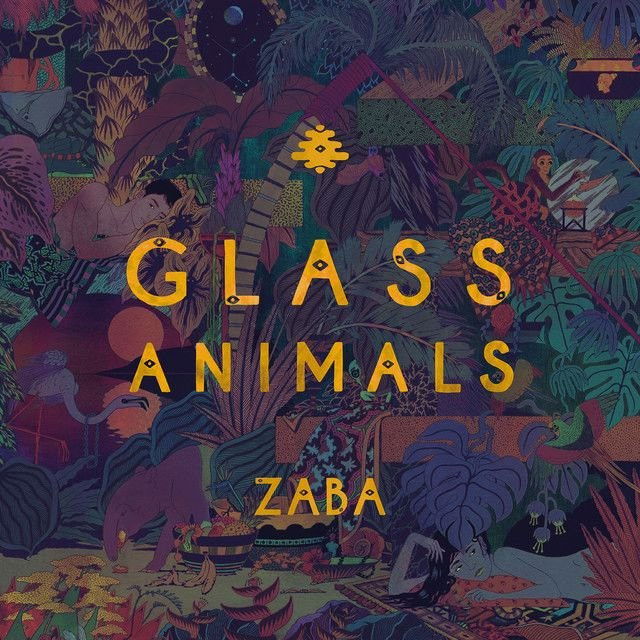
Hazey by Glass Animals
A blurry fight at the center
The meaning of Hazey Glass Animals is rooted in confusion, need, and emotional chaos. The song sounds like a lover trying to steady a relationship that is already slipping out of control. They are not calm or detached. They are pleading, spiraling, and trying to make sense of a partner whose moods and choices feel hard to reach.
"Hazey" - Glass Animals
You know I'm talking now
You know I'm dancing
Loading lyrics...
Unable to load lyrics
We're unable to display the lyrics at this time. Please try again later.
That basic tension shows up right away. The singer sees someone falling apart and reacts with panic rather than distance. Lines about drinking, bruising, crying, and crawling build a picture of a relationship that is physical, emotional, and unstable all at once. The title “Hazey” fits because everything in the song feels fogged over: judgment, communication, even self-control.

Watch the official Hazey
music video
What the narrator seems to be facing
On the surface, the song describes a clash between two people. One seems volatile or self-destructive, while the other is desperate to help but also clearly overwhelmed. When the lyric mentions kick the booze
, it points to a broken promise and adds a substance-use backdrop to the conflict.
That matters because the song is not just about romance. It is also about caretaking gone wrong. The narrator wants to rescue, soothe, and reconnect, yet they are getting hurt in the process. The phrase I'm just a boy
makes that vulnerability plain. They are admitting they do not have the power or maturity to fix everything.
The chorus turns pleading into the main theme
The emotional heart of the song sits in the repeated request for the partner to return and explain what is wrong. Instead of sounding angry, the chorus sounds wounded and urgent. The repeated appeal to come back, baby
suggests both literal distance and emotional withdrawal.
Here is the one brief multi-line quote that captures that mood:
Come back, baby, don't you cry
Just you say the reason why
I can calm you
Paraphrased, the singer believes that if the other person would only explain their pain, they might be able to help. Interpretation: this is both loving and naive. The chorus shows someone who thinks understanding alone can repair damage that may run much deeper.
Verse details that deepen the meaning
Several small images make the song feel more unsettling. The narrator says the partner takes their picture while they fake a smile. That detail suggests performance inside the relationship. One person is breaking down; the other captures the image or perhaps refuses to see the truth behind it.
The phrase breaking smile
is useful here because it blends two opposite ideas. A smile should signal comfort, but this one is forced. In the world of “Hazey,” even facial expressions are unreliable.
Another key image comes when the narrator says they have been crawling
. This does not just suggest sadness. It suggests humiliation, exhaustion, and a loss of control. They are not meeting the other person as an equal anymore. They are dragging themselves through a relationship that has worn them down.
How Glass Animals' style shapes the song
Glass Animals built their early identity around strange textures, elastic grooves, and vocals that feel half-whispered, half-dreamed. “Hazey” appears on their debut album Zaba, a record often noted for its humid, psychedelic sound world. That context matters because the production does not simply decorate the lyrics; it reinforces them.
The beat lurches rather than drives cleanly forward. The bass feels thick and sticky. The vocals are layered in a way that can sound intimate and distant at the same time. All of that creates the sense of being trapped in someone else’s emotional weather.
Interpretation: the woozy arrangement mirrors a relationship where nothing is stable. Instead of offering a sharp breakup anthem, the band makes the listener feel the confusion from inside the moment.
Artist context and likely intent
Glass Animals were formed by Dave Bayley, whose songwriting on the band’s early material often used vivid sensory images, fragmented scenes, and characters in messy situations. “Hazey,” credited here to David Bayley and Jerome Fortune, fits that pattern. It does not tell a neat story with a clear lesson. It gives flashes of behavior, damage, and longing.
The band’s early reception often focused on atmosphere as much as narrative, with reviews of Zaba highlighting its slinky, exotic, and immersive production. That helps explain why “Hazey” feels open to interpretation. The song is less interested in giving facts than in recreating a mental state.
Two strong ways to read the song
Reading one: a toxic romance
The most direct reading is that the song shows a person trying to hold together a failing relationship with someone unpredictable. Broken promises, emotional outbursts, and fear of abandonment all support that view. In this reading, “Hazey” is about loving someone they cannot save.
Reading two: enabling disguised as care
A second reading is harsher. The narrator may think they are helping, but they might also be trapped in a cycle of rescue and dependence. Their promise to calm the other person could be sincere, yet it may also reveal a need to be needed.
Both readings fit the song because it never fully separates tenderness from dysfunction.
Why the song still hits
The meaning of Hazey Glass Animals lasts because it captures a very common emotional trap: mistaking closeness for healing. The narrator feels real because they are caring, frightened, and not fully honest with themselves. They know things are bad, yet they keep reaching back in.
That is what gives “Hazey” its pull. It sounds dreamy, but the emotions are raw. It feels sensual, but underneath is panic. The haze is not just style. It is the song’s message: when a relationship turns unstable, love can start to feel like fog.
Disclaimer: This interpretation is based on the lyrics, available credits, and public context. As with most songs, listeners may hear different meanings in “Hazey.”









