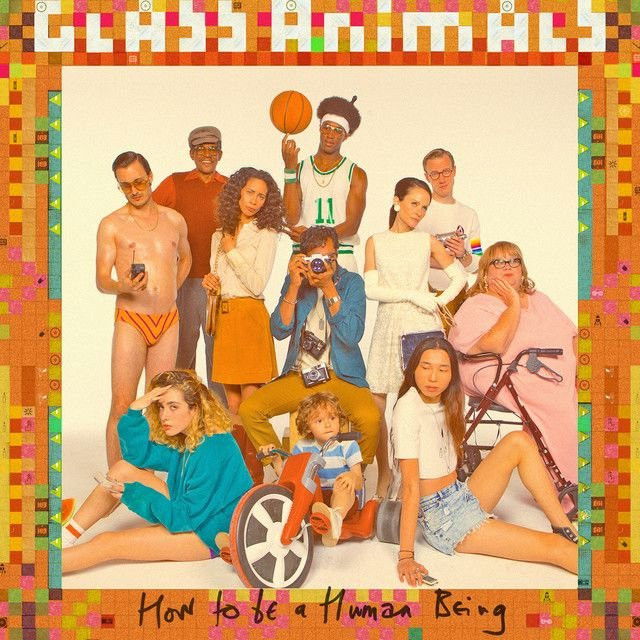
Youth by Glass Animals
The meaning of Youth Glass Animals comes down to one painful but hopeful idea: love can survive trauma, and a parent can still speak comfort into a child’s future even when life has been shattered.
"Youth" - Glass Animals
I was gone, but not my love
You were clearly meant for more
Loading lyrics...
Unable to load lyrics
We're unable to display the lyrics at this time. Please try again later.
Released on How to Be a Human Being in 2016, the song is one of Glass Animals’ most direct emotional statements. According to Songfacts, Dave Bayley said it came from hearing a devastating story from a parent about her child, told with both heartbreak and optimism. He described that mix of crying and smiling as the emotional core of the song. That background matters because it explains why “Youth” feels torn between grief and tenderness without ever becoming bitter.
A Love Letter Written Through Pain
At its heart, the song sounds like a parent speaking to a boy whose life has been changed by violence or loss. Early lines suggest separation and damage, but they also insist that love never left. When the speaker says not my love
, the point is simple: absence is real, but emotional care remains.
That is why the song does not stay in tragedy. The speaker imagines a full life for the child, one with laughter, freedom, and ordinary weirdness. Phrases like get dizzy on caffeine
and funny friends
matter because they are so normal. They are not grand dreams. They are the small pleasures of growing up.
Interpretation: The song may be addressed to a child after a parent’s death, or after a life-changing event that made the parent emotionally or physically absent. The lyrics leave that exact detail open, but the emotional direction is clear.

Watch the official Youth
music video
Who Is Speaking, and Why It Matters
The speaker sounds protective, intimate, and deeply familiar with the child. The line you got my eyes
strongly points to a parent-child bond. That detail gives the song its emotional anchor: the child carries the parent forward, physically and emotionally.
This matters for the meaning of Youth Glass Animals because the song is not just about sadness. It is about inheritance. The child has received more than pain. They have also received love, memory, and identity.
A Short Timeline Inside the Lyrics
The song unfolds in a loose sequence:
- The speaker looks back at leaving when the child was young.
- They acknowledge that the child’s world has become unstable.
- They imagine a better future filled with everyday joy.
- They return again and again to reassurance and uplift.
That repetition makes the message feel almost like a mantra. The speaker may not be able to change the past, but they can keep repeating hope.
Why the Chorus Feels Like a Promise
The chorus centers on the word Fly
, and that one word does a lot of work. It suggests freedom, protection, growth, and release. Rather than asking the child to stay frozen in grief, the speaker wants them to rise beyond it.
Feel your mother at your side
Don't you know you got my eyes?
This is the song’s clearest emotional statement. The parent may be absent in one sense, but still present in memory, body, and spirit. The chorus turns that presence into encouragement.
Interpretation: “Fly” may symbolize healing after trauma. It can also suggest a parent trying to give a child permission to live fully without guilt.
The Small Details That Make the Song Hurt More
One reason “Youth” lands so hard is its focus on ordinary life. The speaker does not dream of fame, success, or revenge. They want the child to be happy, laugh with friends, and be a little goofy. That word choice gives the song warmth.
It also deepens the sadness. When a song highlights basic human joys, listeners feel what was threatened or interrupted. The track’s emotional power comes from that contrast between damage and normal life.
This fits Bayley’s own explanation. In a quote reported by Under the Radar, he said the story behind the song was one of the saddest he had heard, but what struck him most was the calm optimism in the parent’s face. “Youth” tries to hold both feelings at once.
How the Sound Carries the Meaning
Glass Animals are known for textured, detailed production, and “Youth” uses that style carefully. The song floats on soft synths, airy space, and a gentle beat rather than dramatic rock force. That choice keeps the track from feeling melodramatic.
Bayley’s vocal delivery is also key. He sings with restraint, which makes the song feel intimate, almost whispered. Instead of exploding with grief, the performance sounds like someone trying to stay calm for a child.
That sonic softness supports the lyrics. The production creates a dreamlike cushion around painful words, which mirrors the song’s central tension: a terrible reality held inside tenderness. On an album full of character sketches, “Youth” stands out because its emotional framing is so exposed.
A Wider Reading of the Song
There is also a broader way to hear it. Beyond one family story, the song can sound like a defense of innocence itself. The title “Youth” points not just to one boy, but to the fragile stage of life when people should be discovering joy, not surviving disaster.
That reading explains the brief reference to a life lost in the war
. Whether heard literally or metaphorically, it suggests larger forces wrecking private lives. The song pushes back by protecting the child’s right to laughter and future possibility.
Why “Youth” Still Connects
The meaning of Youth Glass Animals lasts because the song avoids simple answers. It does not pretend love fixes trauma. It only says love can stay present inside it. That is smaller than a cure, but more believable.
For many listeners, that honesty is what makes “Youth” so moving. It is a song about damage, but even more about what remains: memory, family, tenderness, and the stubborn wish for a child to keep living fully.
Disclaimer: This interpretation is based on the lyrics, the song’s sound, and public comments from Dave Bayley. Like most art, “Youth” can support more than one reading.









