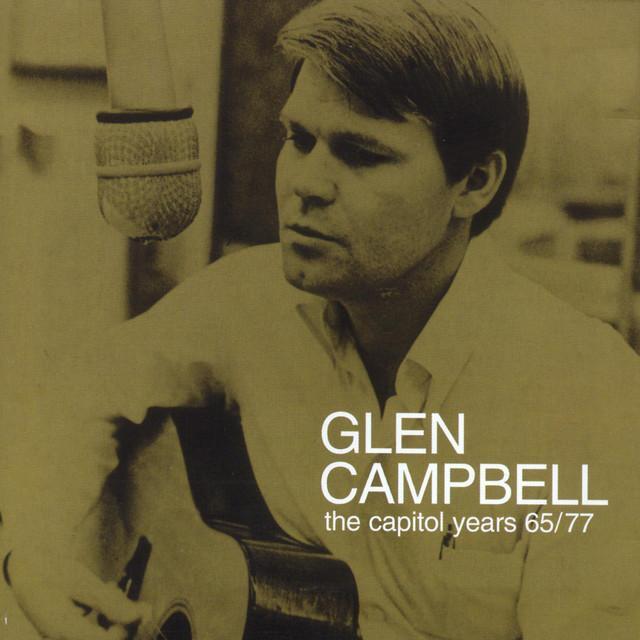
Why 'Everyday Housewife' Still Cuts Deep
The meaning of Dreams Of The Everyday Housewife Glen Campbell starts with a simple scene: a woman alone with household objects and old memories. But the song is not really about chores. It is about longing, aging, sacrifice, and the private self that survives beneath routine.
"Dreams Of The Everyday Housewife" - Glen Campbell
That weren't there yesterday
And thinks of the young man that she almost married
Loading lyrics...
Unable to load lyrics
We're unable to display the lyrics at this time. Please try again later.
Written by Chris Gantry and recorded by Glen Campbell, the song became part of Campbell’s late-1960s run of polished country-pop hits, a period well documented by the Country Music Hall of Fame and major chart histories like Billboard. Their version feels gentle on the surface, yet the lyric carries a quiet ache.
The Secret Life Inside the Kitchen
At its core, the song follows a woman who drifts into memory while moving through an ordinary day. She sees signs of age in the mirror, thinks about a man she almost married, and briefly imagines herself as the admired young woman she once was.
That is why the song remains affecting. It recognizes that domestic life can be loving and meaningful, while still leaving room for regret. When the lyric mentions the wrinkles
and little girl-fashion
, it compresses decades into a few images: who they were, who they became, and who they still imagine themselves to be.
Interpretation: The song suggests that adulthood does not erase youthful desire. It only pushes it inward.
Watch the official Dreams Of The Everyday Housewife
music video
A Story Told Through Objects
One reason the writing works so well is that it does not rely on abstract language. Instead, it uses household and keepsake items to trigger emotion.
The apron signals duty and role-playing. The album and old flower turn memory into something physical. The dress becomes a doorway back to beauty and social power. In a few lines, the home becomes a museum of lost possibilities.
When she opens the album and handles a faded gift, the song shows how memory is not neat or distant. It lives in things. The phrase crumbling flower
captures that perfectly: love once felt alive, but time has made it fragile.
Why the mirror matters
The mirror scene is the emotional spark. She is not only noticing age. She is measuring today against an earlier self. The question about the man she almost married deepens the moment because it is less about him than about alternate lives.
Interpretation: The song is asking a painful human question: what happens to the selves people did not choose?
What the Chorus Adds to the Meaning
The chorus turns one woman’s private moment into a larger statement. It says these are the dreams of an everyday housewife
, someone seen everywhere and often overlooked.
That matters because the song does not treat her fantasy as foolish. It frames it as common and deeply human. Many listeners hear empathy in that move. The woman is not mocked for daydreaming; she is recognized.
Still, the line about giving up the good life
adds tension. That phrase can sound grateful, but it can also sound guilty. The speaker seems aware that marriage and domestic stability may have come at a cost to her freedom, glamour, or self-image.
everyday housewife
gave up the good life
Those short phrases hold the song’s emotional argument: ordinary life may be honorable, but it can still involve loss.
Glen Campbell’s Performance Softens the Blow
Campbell’s recording style is important to the song’s impact. Known for blending country storytelling with smooth pop production, they often delivered emotionally difficult material with warmth rather than bitterness, as noted in overviews by Britannica and the Grammy Hall of Fame.
Here, the arrangement supports the lyric’s tenderness. The tempo is steady, the instrumentation is understated, and the vocal avoids judgment. Instead of sounding accusatory, Campbell sounds reflective. That choice makes the woman’s inner life feel central.
In other words, the production does not turn her into a symbol alone. It lets her stay human.
A Song of Its Time and Beyond It
The song clearly reflects its era. In the late 1960s, the image of the suburban housewife carried cultural weight in American life. Popular music, television, and advertising often idealized domestic femininity while also revealing the strain beneath it.
That context helps explain why the song still resonates. Its setting may feel old-fashioned, but its emotional core is modern. Many people, regardless of gender, know the feeling of wondering about the road not taken.
Interpretation: A modern listener may hear the song as quiet social commentary on how marriage can narrow identity, especially for women. Another listener may hear it mainly as a compassionate portrait of love and sacrifice. Both readings fit the lyric.
The Lasting Meaning of the Song
So, what is the meaning of Dreams Of The Everyday Housewife Glen Campbell? It is a portrait of hidden interior life. The song says that behind routine, people carry memory, vanity, grief, gratitude, and fantasy all at once.
Its brilliance lies in its restraint. It does not explode into drama. It watches a woman remember who she was and hints at what that remembering costs.
That is why the song lasts. It sees the sadness inside ordinary life without denying its dignity.
Disclaimer: This interpretation is based on the released lyrics, performance, and available historical context. As with any song, listeners may hear different meanings.








