Why 'You Belong to the City' Still Hits
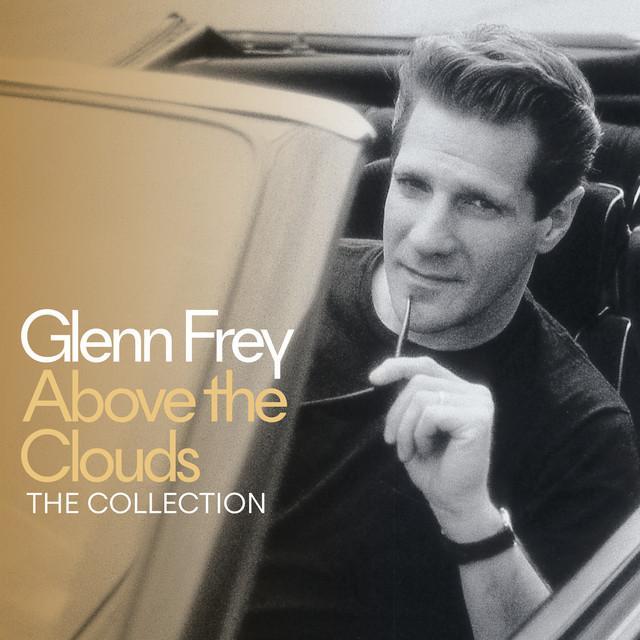
The meaning of You Belong To The City Glenn Frey starts with a tension that still feels modern: the city offers freedom, speed, and excitement, yet it can also make a person feel invisible. Glenn Frey and Jack Tempchin wrote the song for Miami Vice, and that TV setting matters because the track was built to feel cinematic, nocturnal, and emotionally cool on the surface. Factually, it was released in September 1985, credited to Frey and Tempchin, and became one of Frey’s biggest solo hits, reaching No. 2 on the Billboard Hot 100.
"You Belong To The City" - Glenn Frey
The night rolls in
You can feel it starting all over again
Loading lyrics...
Unable to load lyrics
We're unable to display the lyrics at this time. Please try again later.
More important than chart success, though, is the way the song captures a very specific kind of loneliness. It is not the loneliness of being alone in a room. It is the loneliness of standing among thousands of people and still feeling unknown.
A Nightlife Anthem With a Lonely Core
At first listen, the song can sound like a slick urban anthem. It opens with nighttime motion, noise, and momentum. The world of the song comes alive when the day ends, and the character is drawn outside by the city’s energy. Short phrases like the night rolls in
and the music calls
make the setting feel magnetic.
But the song quickly undercuts that glamour. The streets are active, yet emotionally cold. The singer describes crowds, traffic, and sirens, but there is very little intimacy. One of the key lines is the idea that nobody cares where you’ve been
. That is the emotional center of the song: the city lets a person disappear.
Interpretation: The song is not simply praising nightlife. It is showing how urban freedom and urban alienation can exist at the same time.
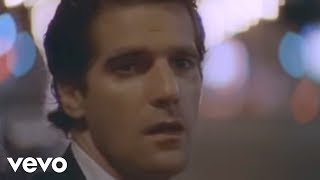
Watch the official You Belong To The City
music video
The Story Hiding Inside the Verses
The lyrics sketch a loose character arc. A person leaves a room, enters the city, and gets absorbed by its movement. Later, the song hints that they once ran from their past and have now returned, only to find that both they and the city are strangely unchanged.
That gives the track more depth than a simple mood piece. This is not just a postcard of neon streets. It is a story about someone who may want reinvention but keeps falling back into the same environment and habits.
Three beats stand out:
- They feel trapped indoors and drawn outside.
- They move through a city that is vivid but impersonal.
- They return with history behind them, yet still feel lost.
When the lyric says just a face in the crowd
, it turns the character into a symbol. They could be almost anyone trying to build a life in a hard, restless place.
Why the Chorus Feels So Powerful
The chorus works because it sounds like both a declaration and a sentence. On one level, you belong to the city
sounds confident, almost proud. It suggests toughness, adaptability, and street knowledge. The follow-up idea of beneath the neon light
gives the city a glamorous glow.
Yet the same chorus can sound fatalistic. To “belong” somewhere is not always positive. It can also mean a person has been claimed by forces they cannot escape. The city becomes less like a home and more like a system that shapes identity.
Interpretation: The chorus says the character is made by urban life. The city is in their body, habits, and instincts. That is why leaving does not come easily.
Sound, Sax, and the 1980s City Dream
The production is a big reason the song’s meaning lands so well. According to reporting and song histories, Frey recorded nearly all the instruments himself, with Bill Bergman on saxophone and Michael Huey on drums. Sources also note the use of a Yamaha DX7, one of the defining synth sounds of the era.
That mix of elements matters. The synths create glassy night air. The drums keep a steady, driving pulse, like traffic that never fully stops. And the saxophone adds both romance and ache. It makes the song feel expensive and lonely at once.
This is why the track fit Miami Vice so well. It was written specifically for the show and used in the season-two episode “The Prodigal Son.” The song’s sleek sound mirrors the series’ style, but its emotional message goes deeper than TV cool. It captures what many listeners recognize in city life: stimulation without comfort.
The New York Image Behind the Song
Although tied to Miami Vice, the song is strongly associated with New York imagery. The video and later commentary describe a nighttime travelogue of mid-1980s Manhattan: neon, steam, traffic, storefronts, and faces passing by. That visual world supports the song’s central paradox. The city is alive, but the individual inside it feels fragile.
This helps explain the song’s staying power. It is rooted in the 1980s, yet its theme is timeless. Many people still know the feeling of being surrounded by action and opportunity while wondering where they really fit.
The Lasting Meaning of the Song
So what is the meaning of You Belong To The City Glenn Frey? At its core, it is about identity shaped by place. The song portrays the city as thrilling, dangerous, seductive, and emotionally empty all at once. It understands that some people are not just living in that environment; they are formed by it.
That is why the song still resonates. It does not ask whether the city is good or bad. It shows that for some people, the pull is deeper than choice.
You belong to the city
You belong to the night
Those lines linger because they sound both empowering and haunting.
Disclaimer: This interpretation is based on the lyrics, production, and documented context around the song. As with most music, listeners may hear meanings that differ from this reading.








