Girls & Boys by Good Charlotte
Why This Pop-Punk Hit Still Bites
The meaning of Girls & Boys Good Charlotte comes down to a sharp, sarcastic look at dating as a business deal. On the surface, it sounds playful and trash-talking. Underneath, it sketches a world where attraction is driven by status, money, bodies, and what someone can buy.
"Girls & Boys" - Good Charlotte
With money
He's well-dressed
Loading lyrics...
Unable to load lyrics
We're unable to display the lyrics at this time. Please try again later.
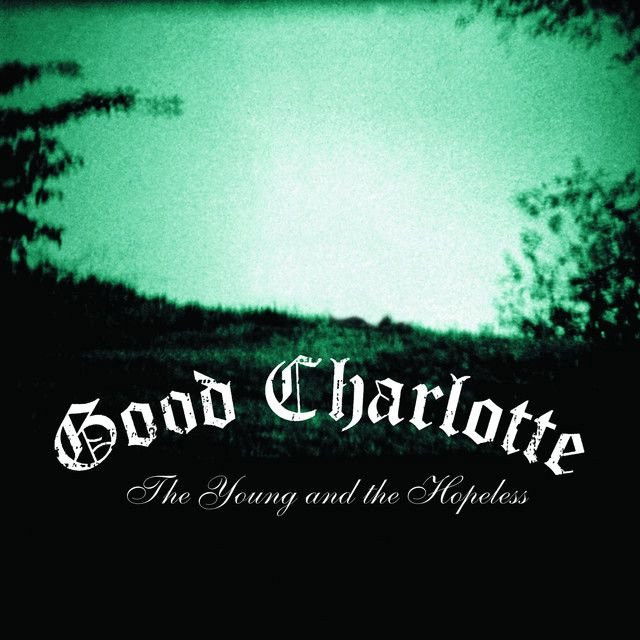
Released as a single from The Young and the Hopeless, the song became one of Good Charlotte's best-known crossover hits. It was written by Benji and Joel Madden and produced by Eric Valentine, with a 2003 release cycle that helped it reach No. 48 on the Billboard Hot 100 and No. 6 in the UK, according to publicly available chart summaries and release details.[1]
That popularity matters because the band wrapped social criticism inside a catchy hook. They made a cynical idea sound fun enough to sing along with.

Watch the official Girls & Boys
music video
A Chorus That Sounds Simple on Purpose
The song's big refrain reduces romance to a bleak formula: girls like cars and money
. Good Charlotte are not presenting that line as deep truth. They are exaggerating a stereotype so it feels ugly, funny, and memorable all at once.
The other half of the chorus does the same with men, using laugh at girls
to show a different kind of cruelty. In their setup, boys are not noble victims. They are just as shallow, just as performative, and just as eager to turn people into props.
Interpretation: the hook works like a caricature. It pushes both sides into cartoon form so listeners see how ridiculous the whole dating marketplace can become.
The Verses Paint a Transaction, Not a Romance
The first verse introduces a man who is polished and rich but emotionally empty. The key point is not that he lacks charm. It is that his real power comes from the fact that he pays for everything
. That line turns courtship into leverage.
The second verse mirrors that setup with a woman who values luxury and will play the role required to get it. When the lyric says she'll have it
, the song suggests appetite without attachment. Shopping, trips, and gifts become the language of affection.
Then the song goes further. It says this kind of pairing comes with a price, and that nothing for free
rule applies to everyone involved. In other words, each person is using the other. One supplies money or status; the other supplies beauty, attention, or approval.
The Real Target Is Materialism
The clearest clue arrives at the end, when the song repeats the phrase losing their souls
. That ending changes the song's tone. What started like a smart-aleck teen rant becomes a broader complaint about consumer culture.
This is why the track connects so well with the rest of The Young and the Hopeless. Good Charlotte often wrote about modern emptiness, fake success, and social pressure. In that context, "Girls & Boys" is less about one couple and more about a culture that trains people to confuse worth with possessions.
All of these boys yeah and all of these girls
Losing their souls in a material world
That short closing refrain is the song's thesis. The band suggests that when image rules everything, everybody loses something human.
How the Sound Sells the Joke
Musically, the track is lean, bright, and fast. It sits in the pop-punk lane that Good Charlotte helped popularize in the early 2000s, with punchy guitars, a quick tempo, and a chorus built for crowd shouting.[1]
That upbeat production is important. If the band had delivered the song as a dark ballad, the message would feel preachy. Instead, Eric Valentine's slick production makes the criticism sound sugar-rushed and radio-friendly. The listener gets pulled in by the bounce before noticing how bitter the portrait really is.
Interpretation: that contrast is the point. The glossy sound mirrors the glossy world the band is mocking.
Video, Image, and the Band's Sense of Humor
The music video leaned hard into comedy. It was filmed in Ellerslie, Auckland, and featured elderly people acting like stereotypical punk kids, turning youth-culture poses into parody.[1] That visual choice fits the song well. It treats social performance as costume.
Instead of presenting rebellion as sacred, the band pokes at image itself. Everyone is playing a role. Everyone is dressing up for approval. The joke in the video supports the song's larger claim that identity can become just another product.
Is the Song Fair?
That question has followed the song for years. Some listeners hear it as sexist because it repeats harsh claims about women. Others argue that it is clearly attacking both genders in equal measure.
The strongest reading is that the song is intentionally broad and blunt. It does trade in stereotypes, but it uses them as satirical tools. Boys want status. Girls want luxury. Both sides reward appearance. Both sides mock weakness. Nobody comes out looking good.
Still, satire always risks being mistaken for endorsement. That tension is part of why the song remains discussable. Its message is easy to sing, but harder to cleanly separate from the attitudes it mocks.
What "Girls & Boys" Really Means
In the end, the meaning of Girls & Boys Good Charlotte is not that love is fake by nature. It is that love becomes fake when people treat each other like accessories. Cars, money, bodies, and style replace honesty.
That is why the song still lands. It captures a teenage fear that remains adult and modern too: the fear that people will be valued for what they display, not who they are.
This article offers an interpretation based on the lyrics, the song's context, and documented release information. As with any song, listeners may hear different meanings in it.
Sources
[1] https://en.wikipedia.org/wiki/Girls_%26_Boys_(Good_Charlotte_song)