Why 'Little Things' Still Hits So Hard
For many listeners, the meaning of Little Things Good Charlotte comes down to one idea: small wounds do not feel small when they happen over and over. Good Charlotte takes everyday embarrassment and turns it into a loud, catchy statement of identity. The song is not about one major tragedy alone. It is about the pileup of insults, disappointments, and family pain that follows a kid into adulthood.
"Little Things" - Good Charlotte
To every kid who ever got picked last in gym class (you know what I'm saying)
This is for you
Loading lyrics...
Unable to load lyrics
We're unable to display the lyrics at this time. Please try again later.
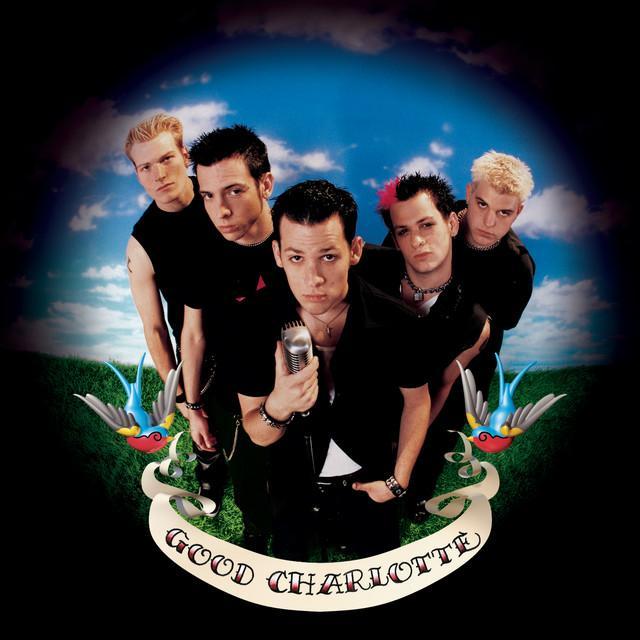
Released as Good Charlotte’s debut single on July 24, 2000, from their self-titled debut album, the track helped introduce the band’s outsider voice to mainstream rock audiences. It was written by Benji Madden and Joel Madden and produced by Don Gilmore. It later reached No. 23 on Billboard’s Modern Rock chart and was certified Gold in the U.S. according to widely cited release data.
More Than Teen Angst
At its core, the song speaks to kids who feel invisible, uncool, or targeted. The opening dedication makes that plain. Before the story even starts, the band frames it for anyone left out, mocked, or called weird. That setup matters because it changes the verses from private memories into a shared anthem.
The song’s title is a little ironic. The incidents are called “little,” but they do real damage. In the chorus, the band repeats little things
until the phrase stops sounding minor at all. They say those moments always hang around
and try to wear them down. Then comes the key twist: those same moments made me who I am today
.
Interpretation: this is the song’s main argument. Pain is not romanticized, but it is reclaimed. The band does not say bullying or family hardship was good. They say it became fuel.

Watch the official Little Things
music video
The Story the Verses Tell
The first verse focuses on social humiliation. They remember free lunch, riding the bus, being laughed at even after making a team, and getting dumped for not being cool enough. These details are simple on purpose. They are ordinary scenes from school life, which is exactly why they sting.
The second verse widens the scope. It shifts from school problems to home problems: a mother in crisis, a car that will not start, and a father leaving. That move is important. The song is not only about teen popularity. It is also about instability, money stress, and abandonment.
They take the biggest part of me
I'm breaking down
This brief moment near the end drops the swagger and shows the cost directly. Under the defiance, there is real hurt.
How the Chorus Turns Hurt Into Defiance
The chorus is the emotional engine. Its repetition mimics the way painful memories loop in the mind. At the same time, the band answers that pressure with movement. The line I can't stop now
makes the song feel less like a diary entry and more like a promise.
That is why the track connected with early-2000s listeners. It gave outsiders a script that mixed anger, sadness, and persistence. Instead of asking for pity, it offers recognition. They are saying: yes, these moments stay with them, but they are still moving.
Sound That Matches the Message
Musically, “Little Things” uses a bright, fast pop-punk style that keeps the song from sinking under its subject matter. The guitars are crunchy but clean enough for radio. The drums push hard, and the chorus is built for chanting along. Don Gilmore’s production gives the track a polished punch, which helped it cross from local buzz to national airplay.
That contrast matters. The words deal with shame and instability, but the music sounds energetic and public. It is the sound of private pain being shouted in a room full of people. That is a big part of why the song works.
The Video’s Role in the Meaning
The music video extends that same idea. Directed by Nigel Dick, it shows the band taking over a high school and pulling students out of routine to watch them perform. The setting turns the song’s memories into a fantasy of reversal: the outsiders seize the building, the speakers, and the attention.
This was also strategic. As Good Charlotte’s first single, “Little Things” helped define their image early, and the video made them look rebellious but accessible.
Artist Context Matters
Good Charlotte arrived when pop-punk was becoming a major commercial force, but they leaned harder than some peers into class anxiety and outsider identity. Songfacts notes that Joel and Benji Madden wrote the song from their own high school experiences. That personal base gives the song its directness.
It also explains why the lyrics avoid fancy metaphors. They are not trying to sound poetic from a distance. They are trying to sound like kids talking back.
A Reasonable Alternate Reading
Interpretation: some listeners hear the song not just as an anti-bullying anthem, but as a statement about memory itself. The “little things” can be read as emotional residue: the tiny moments people think should be forgotten but never really leave. In that reading, the song is about how identity forms through accumulation.
That interpretation fits the repeated hook and the final breakdown. The problem is not one event. It is the long echo of many events.
Why the Song Endures
The meaning of Little Things Good Charlotte still resonates because most people know what it feels like to be reduced by someone else’s judgment. The song names that feeling in blunt, memorable language. More importantly, it refuses to end there.
It says the small hurts matter. It also says they do not get the final word.
Disclaimer: This interpretation is based on the lyrics, the song’s release context, and documented background from widely available sources. As with any song, listeners may hear meanings beyond the ones discussed here.