Why Good Charlotte Made 'Riot Girl' So Chaotic
The meaning of Riot Girl Good Charlotte comes down to a simple tension: the song loves rebellious energy, but it also shows how ridiculous and destructive that energy can look. Rather than painting a deep romance, Good Charlotte build a fast, cartoonish portrait of a girl who lives in permanent conflict.
"Riot Girl" - Good Charlotte
She likes Minor Threat, she likes Social Distortion
My girl's a hot girl
Loading lyrics...
Unable to load lyrics
We're unable to display the lyrics at this time. Please try again later.
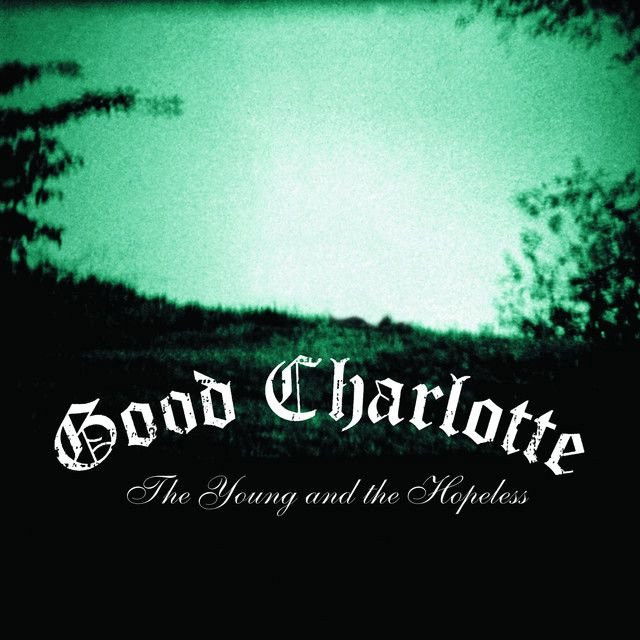
The track appears on The Young and the Hopeless, the band’s second album, released in 2002 and produced by Eric Valentine. According to widely cited album credits, “Riot Girl” was written by Benji and Joel Madden and runs just 2:17, which fits its quick-burst pop-punk style. It also arrived during the album cycle that pushed Good Charlotte into mainstream success in the early 2000s.
A Crush Built on Disorder
At the most basic level, the song is about attraction to danger. The narrator is drawn to a girl defined by visible rebellion: tattoos, piercings, underground-punk taste, and a constant urge to fight the world. The verses turn her into a type rather than a fully developed person.
That matters because the song is less interested in her inner life than in what she represents. She is the fantasy of anti-social cool. When the band describes her as a riot girl
who is angry at the world
, they are sketching a teenage ideal of rebellion that feels thrilling partly because it breaks rules on purpose.
Watch the official Riot Girl
music video
Pop Culture Targets, Punk Identity
One striking detail is the reference to Christina and Britney. Those names place the song in a very specific early-2000s moment, when teen pop dominated mainstream radio and pop-punk often defined itself against that polished image.
In other words, the song sets up a contrast. On one side are glossy celebrity figures; on the other is the rough, confrontational girl the narrator admires. Interpretation: this is not really about those stars as people. It is about using famous names to signal that the girl belongs to a different tribe: louder, meaner, less controlled, and proudly outside the mainstream.
The Chorus Turns Her Into a Cartoon
The chorus is where the song reveals its real method. Instead of giving more emotional detail, it jumps to alarm sirens and authority figures. Phrases like call 911
and pissed off at everyone
blow the situation up to comic-book size.
That exaggeration is important. The band are not documenting a realistic relationship. They are turning chaos into a chant. The repeated hook about how she wants a riot
makes the girl sound less like a person and more like a symbol of public disorder.
A Short Portrait in Motion
The song’s story moves in a few quick beats:
- They introduce the girl through style and music taste.
- They show her as hostile toward mainstream culture.
- They describe the trouble she causes in public.
- They end by saying the narrator still wants only her.
That last turn gives the song its joke and its appeal. Even after all the warnings, the attraction remains.
What the Love Line Changes
Near the end, the song briefly drops the mock-emergency tone and becomes more direct about devotion. The narrator says all they really want is this one person. That line does not suddenly make the relationship healthy or profound, but it does explain why the chaos keeps being forgiven.
Interpretation: the song suggests that teenage desire often confuses loyalty with excitement. The girl is difficult, reckless, and socially disruptive, yet those same traits make her seem unforgettable. The narrator does not love stability; they love intensity.
How the Sound Sells the Message
Musically, “Riot Girl” works because it never slows down long enough to question itself. The guitars hit hard and fast, the drums keep everything charging forward, and Joel Madden’s vocal delivery leans into a shouted, bratty style that fits the subject.
That production choice matters. Eric Valentine’s work on The Young and the Hopeless helped give Good Charlotte a bigger, cleaner pop-punk sound, and on this track that polish makes the mayhem catchy rather than threatening. Even when the lyrics describe someone impossible, the music invites sing-alongs.
Some critics and reference summaries have noted that the song evokes Rancid-style energy. That feels fair. There is a street-punk flavor in the speed and attitude, but Good Charlotte filter it through radio-friendly hooks.
A Product of Its Era
“Riot Girl” also reflects the album’s broader moment. The Young and the Hopeless captured a generation-sized mix of frustration, humor, insecurity, and rebellion, helping the band break into the mainstream. The album debuted high on the Billboard 200 and later sold millions in the United States, which shows how strongly this kind of pop-punk attitude connected at the time.
In that setting, “Riot Girl” plays an important role. It is not the album’s deepest song, but it adds color. It shows Good Charlotte’s talent for turning youth-culture types into loud, simple, memorable characters.
So What Does "Riot Girl" Mean?
The meaning of Riot Girl Good Charlotte is not political in any serious sense. It is about fascination with a girl who rejects rules, causes scenes, and wears her anger like a badge. The song admires her, laughs at her, and exaggerates her all at once.
That mix is why the track still works as a snapshot of early-2000s pop-punk. It captures a fantasy of rebellion that is more performative than revolutionary, more romantic than reflective, and more fun than wise.
Their message is clear: sometimes youthful attraction is not about peace or compatibility. Sometimes it is just about the person who makes life feel loudest.
Disclaimer: This interpretation is based on the song’s lyrics, sound, and release context. As with most pop songs, listeners may hear different meanings in the same lines.







