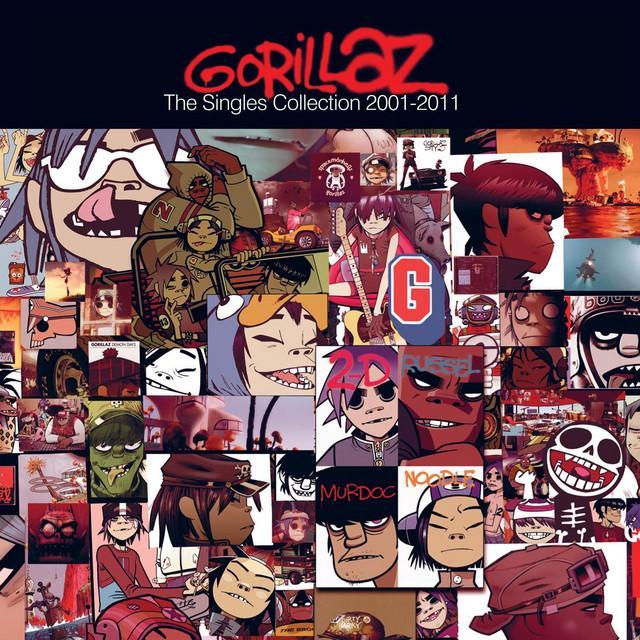
DARE by Gorillaz
Why This Hook Still Feels So Electric
The meaning of DARE Gorillaz starts with a paradox: it is one of the band’s most playful songs, but it also invites a real emotional response. On the surface, it sounds like pure motion—bright synths, a springy beat, and a chant-like hook that seems built for a club. Under that surface, though, the song is about release. It pushes listeners to stop freezing up and start moving.
"DARE" - Gorillaz
It's coming up
It's coming up
Loading lyrics...
Unable to load lyrics
We're unable to display the lyrics at this time. Please try again later.
Factually, “DARE” was released in 2005 as the second single from Demon Days, and it became Gorillaz’s only UK No. 1 single. It also featured vocals tied to Noodle, performed by Roses Gabor, with additional vocals from Shaun Ryder and Damon Albarn. The song was written by Damon Albarn, Jamie Hewlett, and Brian Burton, better known as Danger Mouse, and produced by Danger Mouse, Jason Cox, and James Dring.

Watch the official DARE
music video
The Core Meaning: Movement Over Hesitation
At its heart, the song feels like a battle between thought and action. The words are sparse, but that sparseness matters. When the hook repeats it’s coming up
, it creates anticipation. Something is building—confidence, rhythm, excitement, maybe even courage.
Then the verses shift into commands. Phrases like hold it down
and work it out
sound like instructions someone gives when they are trying to get out of their own head. The song does not explain a full plot. Instead, it captures a moment: the instant before someone lets go and joins the crowd, the groove, or the feeling.
Interpretation: many listeners hear the track as a mini-anthem about daring oneself to participate. That could mean dancing in public, stepping into a party, or simply allowing joy to happen without embarrassment.
A Song Born From Studio Chaos
Part of what makes “DARE” fascinating is that its most famous line may have started almost by accident. Reports around the song long claimed the title evolved from a phrase like “it’s there,” transformed by Shaun Ryder’s delivery. Later, Ryder gave a more complicated account, saying the hook came out of a studio moment while the track was being turned up in his headphones, and that the accent story was overblown.
That backstory matters because it explains why the lyric feels half-formed in the best way. Gorillaz often turn fragments, moods, and accidents into full worlds. “DARE” is a perfect example. Its words do not read like polished poetry. They read like a feeling caught in real time.
How the Lyrics Create Meaning With Very Little
The song uses repetition instead of detail. That is why it sticks. Rather than tell listeners what to think, it gives them a rhythm to inhabit.
A few key phrases do most of the work:
it’s coming up
suggests rising energy.jump back and forth
turns that energy into movement.feel like you were there
hints at imagination, crowd energy, and self-projection.never did no harm
softens the whole thing, almost like a defense of pleasure itself.
Interpretation: that last line is important. It suggests the song’s central activity—dancing, losing inhibition, giving in to the beat—is harmless. In other words, the track answers its own tension. Why do it? Because joy is not a crime.
Jump back and forth
Feel like you were there
Work it out
Those lines, taken together, sound like a recipe for escape through motion.
The Sound Says as Much as the Words
If someone wants the meaning of DARE Gorillaz, they cannot stop at the lyrics. The production is a huge part of the message. The track blends disco pulse, funk bounce, electropop shine, and a slight trip-hop weirdness. That mix gives the song two identities at once: sleek and strange.
The beat keeps everything moving forward, while the synths feel fizzy and restless. Ryder’s vocal presence adds roughness, and the lead vocal tied to Noodle gives the song a cool, almost detached charm. Together, they create a push-pull between discipline and chaos.
That is why “DARE” feels so physical. It does not just describe release. It performs it. Even the repetition works like dance music should: it reduces language until rhythm becomes the main event.
Noodle, Performance, and the Gorillaz Persona
The Gorillaz concept also shapes the song’s meaning. In the band’s fictional universe, Noodle is central to “DARE,” and the music video gives them the spotlight. Directed by Jamie Hewlett and Pete Candeland, the video leans into surreal horror-comedy imagery, with Shaun Ryder appearing as a giant disembodied head and Noodle leading the performance.
That matters because “DARE” is partly about performance itself. Gorillaz are a virtual band built on masks, characters, and playful distance. So when this song tells listeners to move and join in, it does so through cartoon personas. The result is oddly freeing. They make performance feel less serious and more open.
Alternate Readings: Club Rush, Nonsense, or Pure Vibe?
There are other ways to hear the song. Some listeners read the rising hook as club or intoxication imagery. Others hear sexual suggestion in the repeated commands. Those readings exist because the words are open-ended and bodily.
Still, the strongest reading is simpler. Interpretation: “DARE” is about surrendering to momentum. It is about crossing the line between watching and doing. The lyric ambiguity is not a flaw; it is the point. It lets listeners place their own nerves, fantasies, or dance-floor memories into the track.
Why DARE Endures
“DARE” lasts because it turns very little language into a very big feeling. It is catchy, but not empty. It is goofy, but not disposable. It captures that nervous second before a person finally loosens up.
For many listeners, that is the real meaning of DARE Gorillaz: a song about giving oneself permission. Permission to dance badly, feel silly, stop analyzing, and live inside the beat for a few minutes.
Disclaimer: This interpretation mixes documented facts about the song’s release and creation with critical reading of its lyrics, sound, and imagery. Song meaning can stay open, and different listeners may hear it differently.








