
Why “Superfast Jellyfish” Sounds So Deliciously Wrong
The meaning of Superfast Jellyfish Gorillaz, De La Soul, Gruff Rhys becomes clearer once they hear past the joke. On the surface, the song is bright, silly, and full of cartoon food images. Underneath, it sounds like a critique of processed eating, nonstop advertising, and a modern world that wants everything instantly.
"Superfast Jellyfish" - Gorillaz ft. De La Soul, Gruff Rhys
Delicious and piping hot in only three microwave minutes
Yo, pretty package is of frosted delights
Loading lyrics...
Unable to load lyrics
We're unable to display the lyrics at this time. Please try again later.
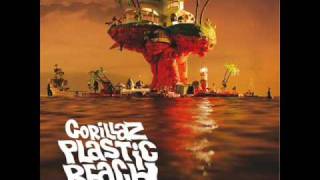
Released in 2010 as a single from Plastic Beach, the track brought together Gorillaz, De La Soul, and Gruff Rhys of Super Furry Animals. According to widely cited release details, it was the second single from the album and mixed hip hop, funk, and pop into a compact 2:54 burst. It also sampled a Swanson microwave breakfast ad and a nature program narration, which matters because the whole song is built on the collision between junk food and the natural world.
A Breakfast Joke With a Sharp Point
The opening sounds like a fake commercial, promising a hot breakfast in minutes. That setup matters. Before the song even reaches the rap verses, it frames convenience as a sales pitch. The track mocks how processed food is sold as comfort, speed, and home life all at once.
De La Soul push that idea further by piling up images of boxes, toys, wrappers, and mystery ingredients. Short phrases like pretty package
and comes with a toy
sound childish on purpose. They suggest food designed less for nourishment than for impulse and spectacle.
The humor gets darker when the song hints that the product is fake, mixed up, and barely recognizable. A line about a rock in the food turns the fantasy into something gross and absurd. In simple terms, they are describing a world where appearance matters more than quality.
Watch the official Superfast Jellyfish
music video
The Real Target: Speed, Consumption, and Waste
The chorus keeps returning to super fast
, which is the song’s key phrase. It is catchy, but that is the point. The song copies the logic of advertising: repeat the promise until it sounds exciting.
Interpretation: the phrase is not just about breakfast arriving quickly. It also points to how consumer culture trains people to want everything now. Fast food, fast branding, fast pleasure, and fast disposal all blur together.
That reading fits Plastic Beach, an album built around synthetic landscapes, pollution, and the wreckage of modern life. Contemporary coverage of the album often noted its seaside imagery and its heavy use of collaborators, making this song feel like one chapter in a larger story rather than a random novelty track.
Ocean Images Turn the Joke Strange
The song becomes more interesting when it shifts from kitchen images to sea life and Neptune mythology. De La Soul’s verse salutes King Neptune
and his creatures, but the mood is not purely whimsical. The ocean here feels crowded, commercialized, and slightly poisoned.
That tension peaks in the repeated idea that the sea is radioactive
. The line is short, but it changes the whole song. Suddenly, the fake breakfast product is not only silly; it may come from a damaged ecosystem.
Interpretation: this is where the meaning of Superfast Jellyfish Gorillaz, De La Soul, Gruff Rhys expands. The song can be heard as connecting food production to environmental harm. If the sea is contaminated, then what people consume is contaminated too, morally if not literally.
Near the end, the track says the sea has gone silent. That image is brief and eerie. After all the chatter, crunching, and ad-like noise, silence sounds like a warning.
Why the Sound Matters as Much as the Lyrics
The production helps sell both the fun and the critique. Damon Albarn’s arrangement is busy but light on its feet: bright keyboard tones, clipped drums, sing-song vocals, and sudden spoken interruptions. The music feels sugary, almost toy-like.
That matters because the sound mirrors the product being described. Everything is colorful, immediate, and easy to swallow. Then the stranger details creep in, and the listener realizes the sweetness is part of the trap.
Gruff Rhys is especially important here. His chorus sounds cheerful and smooth, which gives the song a pleasant pop center. De La Soul, by contrast, bring texture and mischief. Their delivery makes the verses feel like a sales pitch that is collapsing into nonsense.
This balance is one reason the track stands out on Plastic Beach. It is funny enough to enjoy casually, but layered enough to reward close listening.
Two Strong Ways to Read the Song
There is more than one valid reading of this track:
- Food satire. The most direct reading is that it mocks microwave meals, cheap meat, and flashy packaging.
- Environmental satire. A broader reading sees it as a song about polluted systems, where nature itself gets turned into a product.
- Media overload. The commercial voice, repeated hook, and cluttered details may also parody ad culture and how it floods everyday life.
These readings work together rather than competing. The song’s genius is that it never stops being funny, even while it points to something rotten.
Why the Song Still Connects
Part of the song’s staying power is that its target has only become more familiar. Fast convenience, ultra-processed food, and endless branding still shape daily life. So when they hear this track today, its absurdity feels less like fantasy and more like exaggeration of the real world.
In the end, the meaning of Superfast Jellyfish Gorillaz, De La Soul, Gruff Rhys lies in that contrast: it sounds playful, but it is deeply suspicious of what modern culture calls easy, tasty, and normal. The song dances like a cartoon and thinks like a satire.
Disclaimer: This interpretation is based on the song’s lyrics, sound, and release context. As with most Gorillaz songs, some meanings remain open to listener interpretation.









