Hong Kong by Gorillaz
A City Song That Feels Like a Dream
The meaning of Hong Kong Gorillaz starts with contrast. The song places beauty beside damage, calm beside fear, and modern city life beside emotional emptiness. Rather than tell one simple story, they build a mood: a person moves through a bright, crowded place and still feels detached, uneasy, and strangely soothed by it.
"Hong Kong" - Gorillaz
Junk boats and English boys
Crashing out in super marts
Loading lyrics...
Unable to load lyrics
We're unable to display the lyrics at this time. Please try again later.
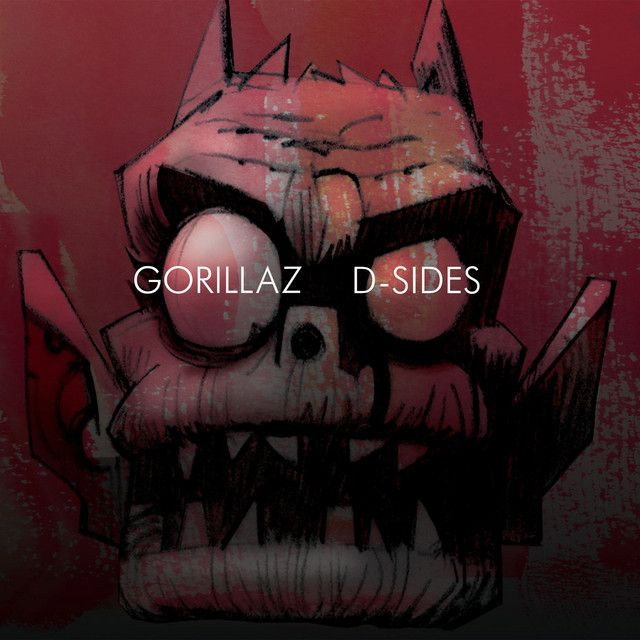
First released in 2007 as part of the charity collection Help!: A Day in the Life, the song later appeared on Gorillaz’s rarities set D-Sides. It was written by Damon Albarn and Jamie Hewlett, and it is widely noted for featuring Chinese zither, or guzheng, played by Zeng Zhen. Those facts matter because the arrangement helps the song feel rooted in a specific place while also sounding distant and ghostly.

Watch the official Hong Kong
music video
What the Song Is Really About
At its core, “Hong Kong” seems to be about urban alienation. The lyrics describe a city that is full of commerce, technology, and movement, yet the human connection inside it feels weak. The opening images of junk boats
and English boys
immediately mix old and new, local and foreign. That blend suggests a global city shaped by trade, colonial history, and constant change.
Interpretation: They seem to present Hong Kong as both a real place and a symbol of modern life. The speaker sounds overwhelmed by the city but also lulled by it. When the song says the neon lights make me calm
, it captures that odd emotional split. Artificial light should feel cold, yet here it becomes comforting. The city may be harsh, but it also gives the speaker a place to disappear.
How the Verses Build the Theme
Each verse adds another piece to this uneasy picture. Early lines bring together consumer spaces and violence, suggesting a world where shopping, security, and danger exist side by side. The song never explains this directly. Instead, it uses quick snapshots, which makes the listener feel the confusion rather than just hear about it.
Then the speaker turns inward. The line I'm a pill on your tongue
is one of the song’s strongest images. Paraphrased, it suggests being swallowed, absorbed, or used up by a larger system or by another person. The individual becomes small, consumable, easy to erase.
Later, the song shifts outward again and asks whether the Eastern sun
will be good for everyone. That question widens the meaning. It hints at economic change and the rise of Asia, but it does not celebrate or condemn it in a simple way. Instead, they leave the question open. Progress is happening, but who benefits from it?
The Strange Power of Its Imagery
A big reason this song lasts is its imagery. Damon Albarn does not write a straight narrative here. He gives listeners fragments: a high floor in a building, a fading radio station, a beautiful DJ, a machine that cleans up after people. These details feel random at first, but together they form a portrait of distance and unreality.
And all the people in a dream
Wait for the machine
To pick the shit up, leave it clean
This is the article’s one longer lyric excerpt, and it gets at the song’s bleak humor. Paraphrased, people appear passive while systems do the dirty work and remove the evidence. Interpretation: This can be read as social criticism. The song may be showing a city where people rely on technology, labor, and routine to keep life polished, even when something deeper is broken.
The disappearing radio station deepens that feeling. Music, which should connect people, turns to nothing. The DJ is still glamorous, yet the song says there was little behind the image. In plain terms, style survives while substance fades.
Why the Sound Matters So Much
The meaning of Hong Kong Gorillaz is not only in the words. It is also in the sound. The track is slow, hushed, and elegant. Albarn’s vocal is fragile and tired, which makes the city seem less like an exciting skyline and more like a lonely place viewed through a hotel window.
The guzheng is central to that mood. Its bright, delicate tone adds local color, but it also creates emotional distance. Instead of a heavy beat or dramatic chorus, the song floats. That choice matters. Gorillaz often use genre fusion to show cultural overlap, and here the blend of alternative pop with Chinese instrumentation supports the song’s themes of global exchange, displacement, and uneasy beauty.
There is also a softness in the production that keeps the song from becoming purely cynical. Even when the lyrics are dark, the arrangement remains graceful. That tension makes the song feel compassionate rather than cold.
Two Strong Interpretations
Reading One: A Portrait of Global Modernity
One clear reading is that the song is about a city transformed by capitalism and international power. Images of stores, towers, radios, and machines point to a world run by systems. In this view, Hong Kong stands for a place where history, money, and identity collide.
Reading Two: A Personal Song of Dissociation
Another reading is more intimate. The speaker may be emotionally numb, moving through the city in a fog. Details like the nineteenth floor and neon calm suggest isolation, almost like depression softened by routine. In this version, the city reflects the speaker’s inner state.
Both readings can be true at once. That is part of the song’s strength.
Why “Hong Kong” Still Connects
This song remains powerful because it does not explain too much. It trusts mood, image, and sound. For U.S. listeners especially, it can feel like a meditation on any major city where culture, money, beauty, and loneliness live side by side.
In the end, the meaning of Hong Kong Gorillaz is less about one fixed message than a feeling: modern life can be dazzling, exhausting, and emotionally hollow all at once. Gorillaz turn that tension into something quiet and haunting.
Disclaimer: This interpretation is based on the song’s lyrics, sound, and known context. As with many Gorillaz songs, parts of “Hong Kong” remain open to listener interpretation.








