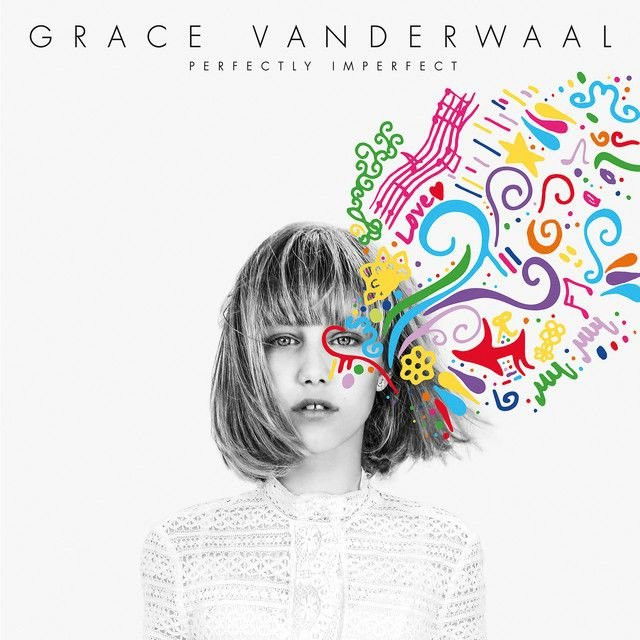
I Don't Know My Name by Grace VanderWaal
The meaning of I Don't Know My Name Grace VanderWaal starts with a feeling many people know well: the fear that they are changing faster than they can explain. The song is not really about forgetting a name. It is about growing up, trying on different versions of the self, and feeling judged while doing it.
"I Don't Know My Name" - Grace VanderWaal
I don't play by the rules of the game
So you say I'm just trying
Loading lyrics...
Unable to load lyrics
We're unable to display the lyrics at this time. Please try again later.
Grace VanderWaal performed the song at age 12 on America’s Got Talent, where it helped earn her the Golden Buzzer. According to the Grace VanderWaal Wiki, it later became the only single from her debut EP Perfectly Imperfect and was produced by Greg Wells. That context matters, because the song’s message of self-discovery felt especially striking coming from someone so young.
A Song About Identity, Not Confusion
At the center of the song is a speaker who feels hard to define. When they say I don't know my name
, the idea is larger than literal identity. It suggests they do not fit the labels other people want to place on them.
The next key idea is I don't play by the rules
. That line connects personal change to social pressure. The speaker senses that other people expect a certain kind of behavior, look, or role. Instead of following that script, they keep shifting, exploring, and testing who they might become.
Interpretation: The song frames identity as a process, not a fixed answer. It argues that uncertainty can be honest, even healthy.
Watch the official I Don't Know My Name
music video
The Verses Tell a Story of Reinvention
The first verse brings the conflict down to everyday life. Someone close to the speaker notices that they cut their hair and changed in a big way. This is not just a style note. It shows how visible change often invites questions from others before a person even understands themselves.
That matters because adolescence is full of these public experiments. A new haircut, a new friend group, a new hobby, or a new attitude can make outsiders think someone is being fake. The chorus answers that judgment directly with just trying
. In plain terms, the speaker is saying: yes, they are trying, but trying is not the same as pretending.
The second verse deepens the idea. The speaker moves from being bland and popular
to joining the marching band. That shift is important because it rejects one kind of social safety for something more personal. Popularity looks secure from the outside, but the song suggests that real belonging came later, when the speaker found better friends and a truer place.
Why the Chorus Hits So Hard
The chorus repeats the same phrases, but each return adds more weight. Early on, the words sound defensive, as if the speaker is explaining themselves to people who do not understand. By the end, the refrain changes shape.
That final turn is the emotional payoff:
I now know my name
I'm trying
to find my way
This is the song’s clearest movement. It does not end with perfect certainty. Instead, it ends with a stronger kind of self-knowledge: they may still be on the road, but now they accept that the road is theirs.
Interpretation: The ending suggests that maturity is not having every answer. It is being willing to keep searching without apologizing for it.
The Bridge Turns Inward
The bridge contains the song’s most vulnerable image: being lost trying to get found
in a crowd. This captures a modern kind of loneliness. A person can be surrounded by people and still feel unseen.
The speaker also says there may not be a clean answer to questions about who they are. That is one reason the song resonates so strongly with young listeners. It gives language to an awkward in-between stage, where identity is real but unfinished.
In interviews summarized by the fandom page, VanderWaal said the song came from going through many phases, styles, and friendships, and realizing what kind of life path she wanted. That comment supports the reading that the song is autobiographical in spirit, even if listeners can apply it broadly.
How the Sound Carries the Meaning
Part of the song’s appeal is its simple production. The arrangement is light, with a singer-songwriter feel that keeps attention on the words and voice. Rather than bury the message under heavy pop effects, the recording leaves space for hesitation, warmth, and sincerity.
That choice helps the theme. A polished, overdramatic track might have made the song feel less believable. Instead, the gentle instrumentation and youthful vocal delivery make the uncertainty sound lived-in. Greg Wells’ production keeps the emotional center intact.
There is also power in the melody. It is easy to remember, almost childlike at first, which makes the identity crisis feel even more poignant. The contrast is effective: a young voice sings about a deep and very adult fear of not fitting in.
Why It Connected So Quickly
The song landed with audiences because it spoke plainly. It did not use complicated poetry to describe self-doubt. It used school-age details, social pressure, and a repeated confession that many people never say out loud.
For U.S. listeners especially, the song fits a familiar cultural story: be yourself, even if the crowd does not get it yet. But it adds an important twist. Before someone can “be themselves,” they may have to spend time not knowing exactly who that self is.
That is the heart of the meaning of I Don't Know My Name Grace VanderWaal. It is a song about identity in motion. It treats awkward change not as failure, but as growth.
Final Take on the Message
Grace VanderWaal’s song turns teenage uncertainty into a quiet anthem. It says that changing, experimenting, and stepping outside social rules can be part of finding a real self.
The song’s lasting strength is its honesty. It begins in confusion and ends in direction, not perfection. That small difference is what makes it feel true.
Disclaimer: This interpretation combines lyric analysis, publicly available artist context, and critical reading. Songs can support more than one valid meaning.







