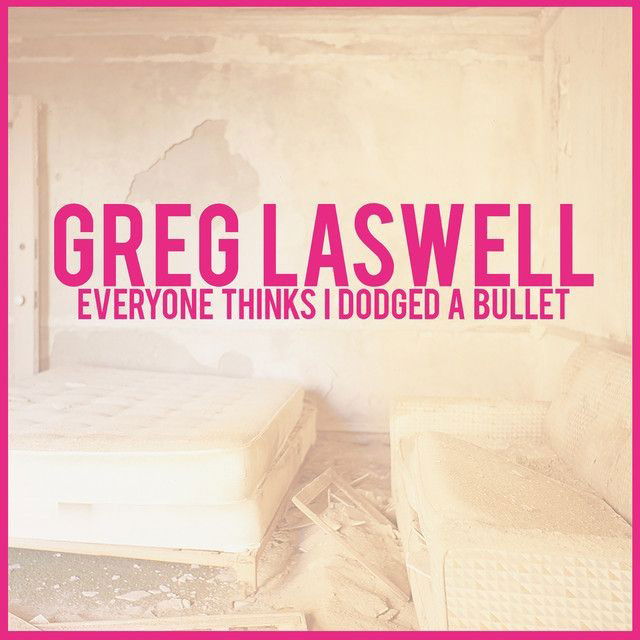
Why “Dodged A Bullet” Hits So Hard
The meaning of Dodged A Bullet Greg Laswell comes down to one painful idea: sometimes the person who looks wounded from the outside still believes they caused the damage. This is not a victory song about escaping a bad relationship. It is a song about accepting blame, living with regret, and trying to recover without rewriting the past.
"Dodged A Bullet" - Greg Laswell
You're way ahead by now
I'm not gonna try and make it all even
Loading lyrics...
Unable to load lyrics
We're unable to display the lyrics at this time. Please try again later.
Greg Laswell has long worked in a moody singer-songwriter lane, and critics have often tied his music to heartbreak and longing. PopMatters noted that his songs have appeared on shows like Grey’s Anatomy and Parenthood, and that the album Everyone Thinks I Dodged a Bullet was written, performed, recorded, produced, and mixed by Laswell himself. That matters here because the song feels deeply controlled, intimate, and personal, even when it is speaking in broad breakup language.
The Core Idea Beneath the Title
At first glance, the title suggests relief. If someone “dodged a bullet,” they avoided a disaster. But Laswell flips that saying into something much darker. The people around the narrator seem to think they escaped a harmful partner or painful future. The narrator does not agree.
Instead, they frame themselves as the one who did harm. The repeated contrast between dodged a bullet
and shot the gun
turns a common phrase into a confession. In simple terms, the song says: everyone else sees survival, but the narrator sees responsibility.
Interpretation: This is why the hook lands so hard. It refuses easy breakup comfort. Rather than saying, “They were bad for me,” it says, “I may have caused this.” That self-accusation gives the song its emotional weight.

Watch the official Dodged A Bullet
music video
A Breakup Song About Uneven Damage
The opening lines introduce imbalance right away. The narrator says they will not try to “make it even,” then admits they know how. That is a sharp emotional detail. It suggests they could retaliate, expose secrets, or settle the score, but they choose not to.
That choice does not sound noble so much as exhausted. When they say the other person is way ahead by now
, the phrase hints at a breakup where one person has moved on faster. Later, the narrator says they are way behind by now
, which reverses the position. The shift shows how unstable heartbreak feels. One moment the ex seems far ahead; the next the narrator feels stuck in the past.
Silence as a Form of Survival
Another revealing moment comes when the narrator says they will not tell new friends about the ex. In plain language, they are trying not to build a whole new identity around old pain. They also admit they will be lazy when I write about you
, even though it takes effort not to dwell.
This is one of the song’s smartest details. It captures the strange labor of avoidance. Acting casual can take more energy than speaking openly.
The Chorus Turns Regret Into Identity
The chorus is brief, but it changes the whole song. Instead of treating the breakup as a bad thing that happened to them, the narrator sees themselves as part of the cause.
Everyone thinks I dodged a bullet
But I think I shot the gun
Those lines are the emotional center of the track. They suggest guilt, but also clarity. The narrator is no longer hiding behind the story other people prefer. They reject the easy version where they are lucky, innocent, or rescued.
PopMatters praised the title track in particular, saying Laswell uses his baritone to express acceptance of a broken love affair and of his own role in its end. That reading fits the song well. The refrain does not sound like self-pity alone. It sounds like accountability.
How the Sound Supports the Meaning
Production matters a lot to the meaning of Dodged A Bullet Greg Laswell. According to PopMatters, Laswell handled the writing, recording, production, and mixing on the album himself. On this track, the review highlights marching organ
and lockstep drums, and that description is useful.
The song’s rhythm feels steady, almost unavoidable, like someone walking through a truth they can no longer dodge. The beat does not explode in anger. It pushes forward with restraint. That helps the lyrics feel more like admission than attack.
Laswell’s lower vocal tone also adds gravity. PopMatters compared it to a Leonard Cohen-like baritone, and that kind of voice naturally carries weariness and authority. When a higher, more fragile tone appears, it introduces self-doubt. That contrast mirrors the song’s central split: outward calm versus inward guilt.
What the Song Says About Healing
The song is not only about blame. It is also about trying to rebuild belief after emotional collapse. The narrator says they are going to get back to believing and make it look easy, even though they do not know how. In other words, recovery is not presented as a clean breakthrough. It is awkward, uncertain, and partly performative.
Interpretation: This may be the song’s most human point. Healing often starts before confidence returns. People act functional before they feel functional.
That is why the repeated hook becomes more tragic over time. The more it repeats, the less it sounds like a dramatic twist and the more it sounds like a thought the narrator cannot stop replaying.
A Wider Greg Laswell Theme
Laswell’s catalog often circles lost love, memory, and emotional aftershocks, so this song fits his larger artistic world. What makes it stand out is its directness. There is no fantasy of revenge and no big claim that time fixes everything. There is just a damaged person trying to tell the truth as plainly as possible.
For listeners, that honesty is the appeal. The song understands that breakups are not always clean stories with a hero and villain. Sometimes both people leave hurt. Sometimes the person who seems to have escaped still feels responsible.
Final Take on the Song’s Message
The meaning of Dodged A Bullet Greg Laswell is about rejecting the comforting public version of a breakup and facing private guilt instead. Its lyrics, repetition, and controlled production all point toward the same truth: survival does not erase remorse.
That is what makes the song memorable. It turns a familiar phrase into a confession and reminds listeners that emotional damage is not always easy to sort into winner and loser.
Disclaimer: This interpretation is based on the released lyrics, the recording, and published criticism. As with any song, listeners may hear different meanings in it.







