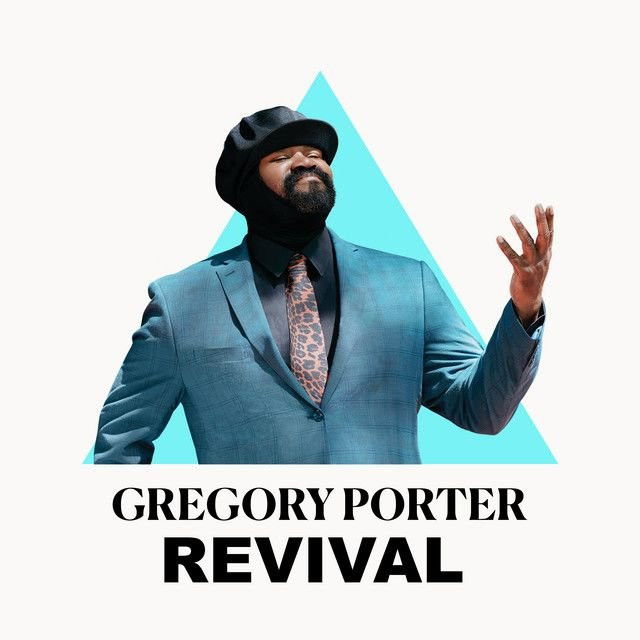
Revival by Gregory Porter
Gregory Porter’s “Revival” feels like a testimony set to a groove. For listeners searching for the meaning of Revival Gregory Porter, the song speaks most clearly about renewal after fear, doubt, and emotional burnout.
"Revival" - Gregory Porter
And I grow weary
I try to walk
Loading lyrics...
Unable to load lyrics
We're unable to display the lyrics at this time. Please try again later.
They present a narrator who starts in weakness and ends in strength. That arc is simple, but it is powerful because Porter delivers it with the warmth of gospel, the depth of jazz, and the directness of soul.
Where the Song Begins: Tired, Searching, Afraid
The opening lines place the speaker in a worn-down state. They try to move forward, but every effort leaves them drained. When the lyric reaches I grow weary
and I grow faint
, the song sketches more than physical tiredness. It sounds like spiritual exhaustion.
That matters because Porter often draws from gospel-rooted feeling in his music. He has said his influences include Donny Hathaway, Nat King Cole, Bill Withers, and the gospel traditions he grew up around. That background helps explain why “Revival” sounds like more than a love song; it sounds like a search for grace and grounding.

Watch the official Revival
music video
The Core Meaning: Renewal After Losing Direction
At its heart, the song is about someone who has lost purpose and then finds it again through a saving presence. The key emotional turn comes when fear gives way to trust. Early on, they want to rise, but they are still held back by doubt. Later, that fear lifts.
A short phrase like you lift me higher
sums up the song’s central promise. The speaker cannot rescue themselves. Someone—or something—pulls them upward.
Interpretation: That “you” can be heard in at least two ways:
- as God or a spiritual force
- as a person whose love restores meaning
Both readings fit the lyrics. The song never locks itself into one narrow explanation, which is part of its appeal.
From Darkness to Daylight
The middle of the lyric turns the song into a small journey. The speaker says they tried to find this guiding presence, lost the path, and kept walking through darkness while looking for daylight. That is a classic image of confusion turning into revelation.
When they describe being in search of day
, the point is not just morning after night. It suggests clarity after inner chaos. The movement from darkness to light is one of the oldest ways songs express rebirth, and Porter uses it without making it feel forced.
There is also a sense of pilgrimage in the lines about following footsteps toward a city. That image gives the song a near-biblical texture. The city can suggest salvation, belonging, or a place of final peace.
Why the Chorus Hits So Hard
The chorus is built around one repeated word: revival
. Repetition matters here because it turns the idea into an experience. The more the song circles that word, the more renewal starts to feel communal, sung into being rather than simply described.
Out of the fire
Out of the flames
lost meaning once,
then found it again.
That short sequence captures the whole message. Fire stands for trial, pain, and the kind of struggle that changes a person. Coming out of it means survival, but also transformation.
Interpretation: The chorus does not just celebrate feeling better. It suggests rebirth after a period when life felt empty. That is why the line about being given meaning again lands so strongly.
Symbols That Carry the Message
Several images do most of the song’s emotional work:
Eagle imagery and the wish to rise
The desire to soar like an eagle points to freedom, strength, and spiritual elevation. But the speaker looks down and becomes afraid. The contrast is important: they long for transcendence, yet they are still human enough to fear the fall.
Fire as struggle
The references to flames give the song urgency. Fire can destroy, but in spiritual and soul music it can also purify. Here it seems to do both: it marks suffering, then becomes the place from which the speaker is rescued.
Darkness and day
Night stands for being lost. Day stands for understanding and renewal. This is one of the clearest clues to the meaning of Revival Gregory Porter: the song is about emerging from a low point into a new sense of purpose.
How Gregory Porter’s Sound Deepens the Meaning
Porter is a two-time Grammy winner for Best Jazz Vocal Album, recognized for Liquid Spirit and Take Me to the Alley. That jazz credibility matters, but “Revival” also leans heavily into soul and gospel uplift.
The arrangement supports the lyric’s message. The rhythm feels steady rather than frantic, giving the song a feeling of perseverance. The backing vocals act almost like a congregation, especially in the repeated refrain. Porter’s baritone—rich, calm, and full-bodied—keeps the song grounded even when the message reaches upward.
This blend is very much in line with his wider style. Critics have often noted the warmth and lift in his voice, and “Revival” uses that gift to make encouragement sound believable instead of sentimental.
The Bigger Gregory Porter Context
Porter’s life story adds another layer. He was raised with church music, and his mother encouraged his singing from an early age. That background helps explain why his songs often carry themes of healing, dignity, and grace.
“Revival” was also performed during the Still Rising era, which makes the title feel especially fitting. A collection called Still Rising frames Porter as an artist interested in endurance, uplift, and continuing growth.
Final Take on the Song’s Message
So what is the final meaning of Revival Gregory Porter? The song is about being pulled back to life—emotionally, spiritually, or both—after fear and emptiness take hold. It says renewal is possible even when a person feels lost, burned out, or afraid.
That is why “Revival” resonates. It does not pretend suffering is small. Instead, it says meaning can return, and when it does, it feels like being lifted.
Disclaimer: This interpretation is based on the lyrics, performance, and known artist context. As with any song, listeners may hear personal meanings that differ from this reading.








