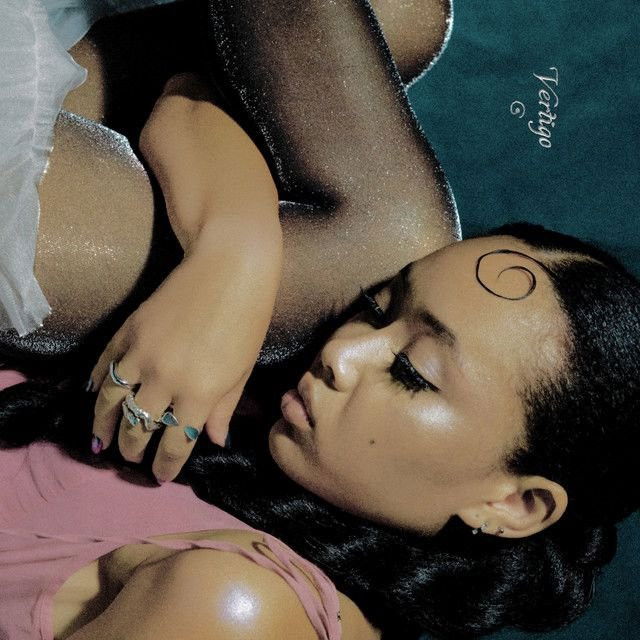
The Meaning of 'Vertigo' by Griff: Love as Freefall
They don’t need to know every detail of a breakup to feel the floor tilt beneath them. In Vertigo, Griff turns that spin into sound, capturing how fear, hope, and self-blame collide after someone pulls away. If you’ve searched for the meaning of Vertigo Griff, here’s a clear map through its images, voice, and production.
"Vertigo" - Griff
You wanted lights, go see a show
You ran away, that's touch and go
Loading lyrics...
Unable to load lyrics
We're unable to display the lyrics at this time. Please try again later.
Spinning After a Breakup: Naming the Dizzy Feeling
Vertigo is Griff’s word for the emotional imbalance that follows a near-relationship or a love that retreats just as it starts. The narrator clocks another person’s fear and her own impulse to help. When she admits the universal nature of that fear—aren't we all?
—she widens the lens from a single story to a shared human pattern.
Interpretation: The song balances two truths. First, she wanted connection. Second, she knows the other person’s avoidance isn’t hers to cure. That tension generates the “spin”: attraction and promise meet distance and doubt.
Who’s Speaking, and Why It Hurts
The voice is first person, addressing a partner who flinches at commitment. She asks for something small—take my hand
—and later wonders, was it too much to ask?
It isn’t a plea for forever; it’s a request for presence.
Interpretation: This is the “fixer” confronting their limit. She believes she can mend “broken things,” but the song marks the moment she recognizes that someone else’s fear is not a project. That realization is painful, yet it’s a step out of the spin.
The Chorus Puts Fear in Plain Words
You're scared of heights, that's vertigo You wanted lights, go see a show You ran away, that's touch and go You're scared of love, well, aren't we all?
By pairing crisp images with matter-of-fact tags, the chorus turns messy emotions into snapshots. You ran away
distills avoidance. The closing question reframes blame: fear of love is common, but naming it doesn’t excuse harm—it clarifies why the fall never became flight.
Symbols That Steady a Shaky Heart
Griff’s metaphors translate inner weather into physical scenes. Heights stand for risk and exposure; vertigo is the body’s alarm. Lights and “a show” hint at surface-level thrills in place of intimacy. “Chemical” suggests the short, fizzy high of new attraction, while “home” captures the deeper security that never arrives. “Mexico” and heat signal overwhelm—the feeling of bailing when things get intense.
Later lines sharpen the dynamic: don't look down
evokes how warnings trigger fear, and put your past on me
shows how baggage gets projected onto the present. These phrases suggest an unequal load: she offers steadiness; he hands over history.
Production That Feels Like a Roller Coaster
Vertigo moves in a major key but stays moody, which matches its bittersweet theme—hope colored by anxiety. The arrangement leans on airy synths, steady drums, and a gradual build. Verses feel contained; pre-choruses lift; the bridge crests before the final release. That structure mirrors the lyric’s escalation from quiet noticing to clear naming.
Behind the scenes, Griff co-wrote and co-produced the track with Sam Tsang. She has described the song as an emotional roller coaster that crescendos at the bridge before a release. The single arrived in mid-2023, and Taylor Swift’s public praise soon after helped shine a wider light on it. Griff has also noted that the concept of “vertigo” came to her while writing in a space with a striking spiral staircase—perfect imagery for a song about circling thoughts.
Alternate Readings That Keep the Floor Tilting
Interpretation 1: Attachment lens. The partner’s avoidance is the core conflict. The narrator’s fixer impulse meets a classic “flight” response, captured in you ran away
. The song becomes a study in anxious vs. avoidant styles.
Interpretation 2: Self-forgiveness arc. Each labeled line (“that’s vertigo,” “that’s touch and go”) is a step away from self-blame. By defining behaviors instead of absorbing them, she writes herself out of the spiral.
Both readings fit because the song never demonizes the other person; it just refuses to carry their weight forever.
A Quick Timeline of the Emotional Plot
- Early sparks: they share a moment of closeness.
- She asks for a small commitment—just presence tonight.
- He retreats; she recognizes the pattern:
you ran away
. - She tries to fix it, then stops taking on his past.
- The chorus names fear, and the bridge releases her from it.
The Takeaway: Gravity You Can Grow From
Vertigo captures how love can feel like a drop: thrilling, nauseating, and enlightening. By turning fear into clean images and arranging them along a rising track, Griff transforms a wobble into wisdom. The spin doesn’t end with certainty, but with language—and that’s often the ground we need.
Disclaimer: Song meanings are subjective. This interpretation draws on lyrics, production, and publicly shared artist context; listeners may hear it differently.








