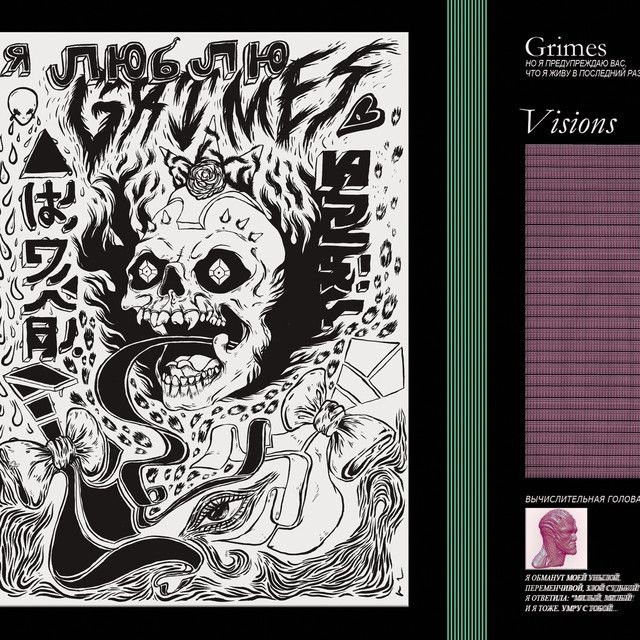
Genesis by Grimes
The meaning of Genesis Grimes starts with a contradiction: the song sounds light and glowing, but its words are about distance, confusion, and finally surrender. On the surface, it is a sleek electronic pop track from Visions. Underneath, it feels like a sketch of someone learning how to feel in real time.
"Genesis" - Grimes
I never see
I never know
Loading lyrics...
Unable to load lyrics
We're unable to display the lyrics at this time. Please try again later.
Grimes released “Genesis” on Visions in 2012, a breakthrough album widely credited with expanding their audience and critical profile. Major outlets like Pitchfork and NME treated the album as a key moment in left-field pop, and “Genesis” became one of its defining tracks. The sparse lyrics matter because they are not trying to explain everything. They create an emotional state.
Where the Song Begins: Feeling Nothing
The opening lines center on absence. The speaker says I never feel
, I never see
, and I never know
. Before any romance or revelation appears, the song places them in a numb state.
That repetition is important. It does not sound like a one-time confession. It sounds like a pattern, almost a trap. The voice keeps circling the same blank space, as if they are stuck outside their own emotions.
Interpretation: this can be heard as emotional dissociation. The speaker may not be cold by choice; they may simply be unable to access what they want to feel.

Watch the official Genesis
music video
The Turning Point Hides in One Small Phrase
Then the song shifts. After all that detachment, the lyric moves to then it falls
and then I know
. In plain terms, the song suggests that knowledge arrives through collapse.
That fall could mean several things:
- falling in love
- falling apart
- losing control
- finally becoming honest
The beauty of “Genesis” is that it does not force one answer. It implies that real feeling comes with risk. The speaker cannot stay protected and also reach true understanding.
Why “falling” matters here
In pop music, falling often means romance. Here, it feels broader than that. The line links the heart’s movement to the self’s movement. When the heart falls, the person falls too.
That makes the emotional logic of the song very clear: awareness is not calm or tidy. It is physical, destabilizing, and maybe even scary.
A Chorus Built on Repetition and Mystery
Later, the song repeats a plea-like phrase around know my heart
. Rather than giving a detailed message, the song keeps returning to the same emotional request: to be seen, understood, or reached.
This is why the words feel hypnotic instead of narrative. The track does not progress like a diary entry. It loops like a thought they cannot shake. That looping structure mirrors obsession, longing, and uncertainty.
My heart
And then I fall
And then I know
Those lines contain the whole arc in miniature. First comes the self. Then comes surrender. Then comes recognition.
The Strange Image of “Home” and Love
Another key section introduces a more grounded but still abstract image: home, a higher space, and the claim I am the one in love
. This is one of the few moments where the song sounds direct.
That matters because it breaks through the fog. After all the uncertainty, the speaker finally names a condition: they are the one who loves. Even if the rest of the imagery stays slippery, this line gives the song an anchor.
Interpretation: “home” may suggest safety, intimacy, or the inner self. But the phrase about things being “always different” keeps that safety from feeling complete. Love here is not stable. It changes the room, the body, and the mind.
How the Production Explains the Emotion
A big part of the meaning of Genesis Grimes comes from the sound, not just the text. “Genesis” floats on glossy synths, crisp drum programming, and a vocal style that is soft but not weak. The voice often feels half-whispered, which creates distance even when the lyrics are deeply personal.
That contrast is the point. The instrumental is bright and danceable, but the emotional core is fragile. The production makes the song feel like a private confession heard through neon light.
Grimes wrote the song, and Visions is closely associated with their self-directed, highly individual approach to recording and production, a major part of how critics described the album’s appeal in coverage from The Guardian and other outlets. Even without many words, the arrangement tells the story: beauty on the surface, instability underneath.
Two Strong Readings of the Song
Because the lyrics are so minimal, “Genesis” invites more than one meaning.
Reading one: the shock of falling in love
This is the most common reading. The speaker begins emotionally blocked, then gets pulled into love and finally understands their own heart. In this view, the song is about vulnerability breaking open numbness.
Reading two: a rebirth of self-awareness
The title “Genesis” suggests beginnings. So the song can also be heard as a moment of inner creation. They move from not feeling, not seeing, and not knowing into awareness. Love may be part of that change, but the deeper subject is awakening.
Both readings fit because the lyrics describe an emotional event without pinning it to one storyline.
Why the Song Still Connects
Part of the reason “Genesis” lasts is that it says very little and suggests a lot. Listeners can step into the empty spaces. Some hear romance. Some hear anxiety. Some hear the rush of finally coming alive.
That openness is not a flaw. It is the design. The song turns a few repeated phrases into a feeling that is bigger than explanation.
Final Take on This Grimes Classic
The meaning of Genesis Grimes is best understood as a portrait of emotional awakening. It starts in numbness, moves through surrender, and lands in recognition. The lyrics are simple, but the feeling is not.
In the end, “Genesis” sounds like a beginning because it captures the exact second when distance gives way to feeling. Interpretation disclaimer: this reading is an informed interpretation based on the lyrics, sound, and release context, not a definitive statement from the artist.









