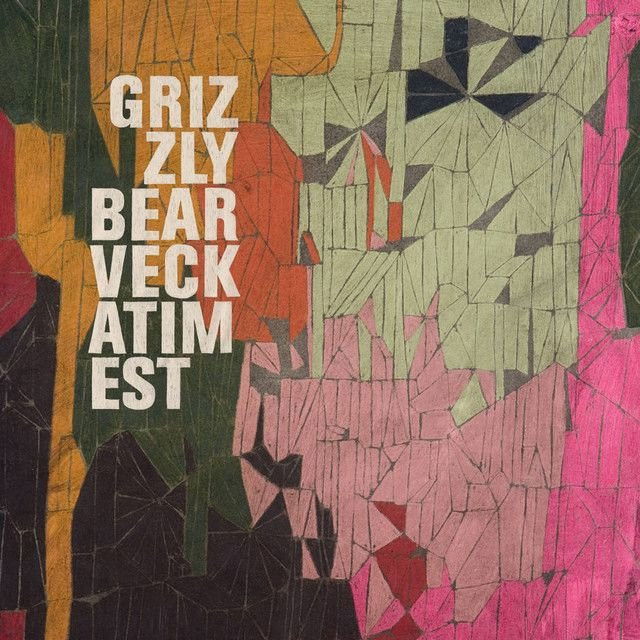
Two Weeks by Grizzly Bear
A beautiful song about relationship drift can sound comforting even when its message is not.
"Two Weeks" - Grizzly Bear
Provided by LyricFindOh-oh, oh-oh, oh-oh
Oh-oh, oh-oh, oh-oh
Save up all the daysLoading...Loading lyrics...
Unable to load lyrics
We're unable to display the lyrics at this time. Please try again later.
Why the meaning of Two Weeks Grizzly Bear still pulls people in
The meaning of Two Weeks Grizzly Bear often feels clear and slippery at the same time. On the surface, the song is gentle, polished, and full of glowing harmonies. Underneath, it sounds like two people stuck in a relationship that is not exploding, but quietly thinning out.
That reading matches a widely cited comment from Ed Droste, who said the song is about the slow loss of a relationship through boredom and irritation when things are simply “just ok.” Factually, the track appeared on Veckatimest in 2009, was produced by Chris Taylor, and became one of the band’s best-known songs.

Watch the official Two Weeks
music video
The song’s emotional core is quiet frustration
The lyrics do not tell a detailed story. Instead, they circle around habit, hesitation, and emotional maintenance. When the speaker mentions routine malaise
, the phrase points to weariness that has become normal. This is not heartbreak at full volume. It is the dull ache of sameness.
Another key line is I told you I would stay
. In plain terms, the speaker has already made a promise, yet the song still sounds uncertain. That tension matters. They may be committed, but commitment alone is not solving the deeper problem.
A relationship caught between patience and fatigue
The chorus-like questions push the mood further. Phrases like Would you always?
and Maybe sometimes?
sound like a negotiation. The speaker seems to ask for consistency, then immediately lowers the bar.
Interpretation: That shift suggests someone trying to preserve peace in a fragile bond. They may want more than the relationship can actually give.
How the lines connect to the larger theme
Several images in the lyric work like snapshots rather than a plot. Save up all the days
suggests time being collected, counted, or endured. The idea of days piling up makes the relationship feel long-running and repetitive.
Then the song returns to phrases that sound almost practical: Make it easy
and Take your time
. These words can be heard as care, but they can also sound like exhaustion. Instead of asking for passion, the speaker asks for less friction.
Would you always?
Maybe sometimes?
Make it easy?
Take your time
This is the song’s clearest emotional knot. The speaker is asking for steadiness, but the repeated wording hints that they do not expect a firm answer.
Sound first, explanation second
A big reason the song lasts is that its arrangement says as much as the lyric does. Critics at Pitchfork described it as bright, ornate, and built around chiming piano with space for every detail to land. That is exactly why the song feels so generous even when its words are withholding.
The piano pattern keeps everything moving without rushing. The tempo is calm. The harmonies stack up until the song feels communal, almost reassuring. Yet that warmth can make the uncertainty hit harder. The music does not scream conflict; it cushions it.
Why the harmonies matter so much
The recurring vocal syllables are not just decoration. They carry emotion that the sparse verses leave unsaid. Where the lyrics are clipped, the harmonies open the song up. They create a feeling of longing, suspension, and acceptance all at once.
Factually, the recording also features backing vocals from Victoria Legrand of Beach House, which helps explain the song’s lush vocal texture. Interpretation: Those layers make the relationship sound bigger and softer than the words alone would suggest, as if memory is smoothing the rough edges.
Artist context makes the ambiguity clearer
Grizzly Bear built their reputation on detailed, layered indie rock and chamber-pop arrangements, and Veckatimest marked a move toward a brighter, more expansive sound. “Two Weeks” became a breakout moment for that reason: it was accessible without losing mystery.
The official video, directed by Patrick Daughters, places the band on an altar as their heads glow and eventually catch fire. The band has said they do not tightly dictate video concepts, preferring directors to capture an essence of the song rather than illustrate it literally.
Interpretation: That visual fits the track’s emotional logic. A private relationship problem becomes a staged ritual. The glow suggests beauty and exposure; the fire hints at pressure building beneath calm surfaces.
Alternate ways to hear the song
Because the writing is so spare, listeners often hear different shades of meaning:
- A plea for patience inside a tired relationship
- A quiet ultimatum asking for more effort
- A resigned acceptance that love may continue, but only in a diminished form
All three readings are supported by the same details: repetition, half-questions, and promises that sound less secure each time they return.
Why the song endures
“Two Weeks” was critically acclaimed, landed high on year-end and decade-era lists, and became one of Grizzly Bear’s signature songs. Its staying power comes from contrast. It is lovely but uneasy, intimate but distant, simple on paper yet emotionally complex in sound.
For many listeners, the meaning of Two Weeks Grizzly Bear comes down to this: love does not always end in a dramatic collapse. Sometimes it fades through habit, compromise, and the small sadness of things becoming merely manageable.
Final takeaway
The song’s genius is that it never forces one answer. It lets melody provide comfort while the lyrics admit strain. That mix is what makes it feel true.
Disclaimer: This article offers interpretation alongside verified facts about the song’s release, credits, and reception. Meaning in music remains open to listener experience.







