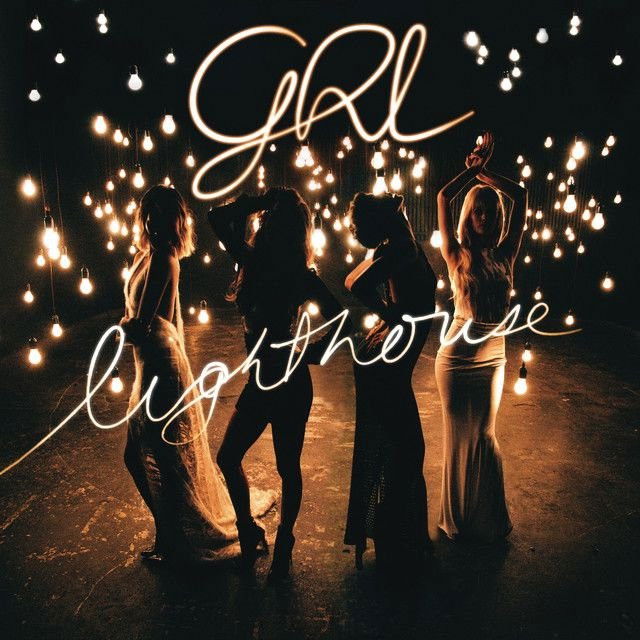
Why G.R.L.'s "Lighthouse" Still Hits Hard
The meaning of Lighthouse G.R.L. starts with a simple promise: stay with someone when life gets dark. On the surface, the song sounds like a loyal friendship anthem. In context, it carries much more weight.
"Lighthouse" - G.R.L.
I got your back, like it's just you and me here
I'll go to war for you, let them bring it
Loading lyrics...
Unable to load lyrics
We're unable to display the lyrics at this time. Please try again later.
Released on January 15, 2015 as G.R.L.’s third single, “Lighthouse” arrived after the death of member Simone Battle and was recorded in her memory, as noted by Wikipedia and a Billboard feature on the group’s healing process. That background does not change every line into biography, but it does sharpen the song’s central message: people need visible, active support before they feel completely alone.
More Than a Comfort Song
At its core, “Lighthouse” is about steady presence. The singer promises protection, emotional backup, and direction during moments of confusion. Phrases like ride-or-die
and call out my name
frame support as immediate, not abstract.
This matters because the song does not describe love as dramatic romance. Instead, it treats care as a duty. They present loyalty as something proven in hard moments, especially when fear, isolation, or shame might stop a person from asking for help.
Interpretation: That is why the hook lands so strongly. A lighthouse does not remove the storm; it helps people survive it. The image suggests guidance, safety, and a fixed point when everything else feels unstable.

Watch the official Lighthouse
music video
The Chorus Turns Darkness Into Direction
The chorus is where the song’s meaning becomes clearest. Night, cold, and disappearing light all symbolize emotional crisis. When the song says the lights go out
and offers to guide you home
, it turns inner pain into a physical landscape.
When the night gets cold
and the lights go out
And you feel lost
my lighthouse
In plain terms, the chorus imagines someone feeling cut off, scared, and unable to see a way forward. The answer is not judgment. The answer is reaching out.
That is a big part of the meaning of Lighthouse G.R.L. The song says support should be practical and visible. A lighthouse shines. It signals. It tells a lost person that someone is still there.
Who Is Speaking, and to Whom?
The voice of the song is first person, but it feels collective. Even though one speaker says “I,” the repeated promises sound like a group vow. That fits G.R.L. especially well, because their identity as a girl group makes unity part of the emotional message.
The “you” in the song is flexible. It could be a friend, a partner, a family member, or anyone in distress. Because the words stay broad, listeners can place themselves on either side of the message: as the person needing help or as the person called to give it.
Interpretation: In the tribute context, this flexibility is powerful. The song can be heard as speaking to Simone Battle, to one another, and to listeners dealing with grief or mental health struggles.
The Real-World Context Deepens the Meaning
Facts matter here. G.R.L. recorded “Lighthouse” after Simone Battle’s death, and the group connected the release to mental health awareness. Billboard reported that the members partnered with Give an Hour and wanted the song and video to encourage openness and support.
That context helps explain why the lyrics avoid complexity. They are direct on purpose. This is not a song built on irony or mystery. It is meant to sound like something a person could remember in a crisis: call, reach out, stay close, do not be afraid.
The music video deepens that reading. It shows the remaining members in a dark room lit by hanging bulbs, intercut with photos and home footage of Simone. The visual contrast mirrors the song’s central symbol: darkness is real, but light can still exist inside it.
How the Sound Carries the Message
Produced by Dr. Luke and Cirkut, “Lighthouse” is a pop ballad with a restrained, open feel rather than a hard-hitting beat. That production choice matters. The slower pace gives the words room to breathe, and the swelling chorus creates the feeling of light expanding through darkness.
The verses are steady and conversational. Then the chorus opens wider, almost like a horizon line appearing after fog. The repeated “whoa-oh” parts are simple, but they work emotionally because they sound communal. Even without detailed storytelling, the arrangement suggests people holding each other up.
There is also a careful balance between strength and vulnerability. The song talks tough about protection, but the performance is tender. That mix keeps it from feeling like a slogan.
A Song About Friendship, Grief, and Responsibility
One useful way to read the song is in three layers:
- Literal layer: a promise to be there for someone in trouble.
- Emotional layer: a response to loneliness, fear, and feeling lost.
- Contextual layer: a tribute shaped by grief and mental health awareness.
Together, those layers explain why the song connected with many listeners. It is uplifting, but not carefree. It is grieving, but not hopeless.
That balance may be the song’s strongest feature. It does not pretend support can fix everything instantly. Instead, it argues that showing up matters. In many lives, that can be the difference between drifting and finding a way back.
Why “Lighthouse” Endures
The lasting power of the song comes from its clarity. The metaphor is easy to understand, but it is not shallow. Most people know what it feels like to need direction, warmth, or one trustworthy person in a bad moment.
So the meaning of Lighthouse G.R.L. is ultimately about dependable care. It asks people to notice darkness sooner, speak up sooner, and love each other in ways that are active, not just sentimental.
That interpretation is based on the lyrics, the single’s release context, and public reporting about the group’s tribute to Simone Battle. As with any song, listeners may hear additional meanings through their own experiences.







