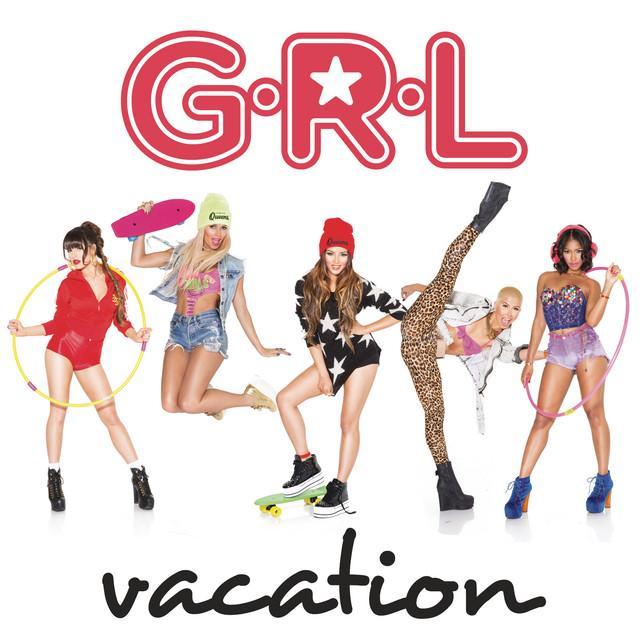
Vacation by G.R.L.
A Breakup Anthem That Refuses to Stay Sad
The meaning of Vacation G.R.L. starts with a clever idea: heartbreak can feel heavy, but recovery does not always have to sound slow or tragic. G.R.L. turn a bad breakup into a fast, bright pop song about taking one night off from grief.
"Vacation" - G.R.L.
I slept until noon
I just wanna lie in
Loading lyrics...
Unable to load lyrics
We're unable to display the lyrics at this time. Please try again later.
Factually, “Vacation” was released as G.R.L.’s debut single in 2013 and appeared on the Smurfs 2 soundtrack. It was written by Bonnie McKee, Lukasz Gottwald, Max Martin, and Henry Walter, with production by Dr. Luke, Max Martin, and Cirkut, according to Wikipedia’s song entry. That team matters because the song has the polished, hook-heavy style those writers and producers were known for in early-2010s pop.
The emotional story is simple. A young woman is upset after realizing a relationship is over. But instead of sinking deeper into that feeling, they choose a temporary reset. In this song, “vacation” means a break from pain, not a plane ticket.

Watch the official Vacation
music video
From Bedroom Misery to a Car Full of Friends
The verses open in a low mood. They describe crying, oversleeping, and hiding at home. A short phrase like crying all night
quickly sets the scene. The narrator knows the relationship is wrong, yet that truth still hurts.
That early section matters because it keeps the song from feeling shallow. They are not pretending the breakup did not happen. They admit the slump first, then move past it.
Soon, the turning point arrives: friends step in. The song says the girlfriends know what to do and what to say. That detail shifts the meaning from private sadness to collective support. In pop songs, a breakup often leads to revenge or dramatic closure. Here, the rescue comes through friendship, movement, and noise.
The Song’s Timeline in Brief
- They stay home and feel miserable.
- They admit the ex is wrong for them.
- Friends arrive with a plan.
- They get in the car and turn the music up.
- The night becomes an emotional escape.
That arc is one reason the song feels so immediate. It moves like a real night out after bad news.
What the Chorus Really Means
The chorus gives the song its main metaphor. When they sing on vacation tonight
, they are not leaving town. They are leaving the ex behind for a few hours. The phrase reframes healing as a choice to step outside grief.
There is also a playful edge to leave you behind
. It sounds decisive, even if the verses suggest the hurt is still fresh. That contrast is the point. The chorus is not a final emotional verdict. It is more like a pep talk set to a dance beat.
I'm on vacation tonight
I'm gonna leave you behind
This brief hook captures the song’s full message: healing can begin with distance, even if that distance lasts only one night.
Interpretation: the repeated idea of being with someone new
may sound romantic on the surface, but it works more broadly as a symbol of momentum. It could mean flirting, distraction, or simply proving to themselves that life continues.
The Small Images That Carry Big Meaning
“Vacation” uses ordinary details to show emotional recovery. The living room suggests isolation. Watching music television suggests numb distraction. Then the setting changes to a car ride, open window, and radio. Those details feel active and public.
The line about rolling down the window is especially effective. It suggests release. Fresh air enters. The world opens back up. When our song
comes on the radio, the narrator could spiral into memories. Instead, they choose to turn it up. That is one of the smartest moments in the song.
Interpretation: this is not denial. It is control. A memory that could trigger sadness gets transformed into fuel for the night.
The song also rejects collapse directly. The narrator says they will not fall apart or self-destruct. That gives the track a healthy center. It is not about reckless ruin. It is about redirecting pain into motion, friendship, and temporary freedom.
Why the Sound Matters as Much as the Words
The production is crucial to the meaning of Vacation G.R.L. On paper, the lyrics describe hurt, fatigue, and romantic disappointment. But the track sounds bubbly, loud, and glossy. Billboard called it “bubbly,” a fair description of its tone, and G.R.L.’s group background shows why this debut mattered: it introduced them as a modern girl group built around shared vocals and energetic pop.
The beat stays lively, the synths are bright, and the chorus is built for repetition. That musical design mirrors the song’s emotional strategy. If the verses are the breakdown, the production is the bounce-back.
Just as important, the group vocals make the song feel communal. Even when one voice tells the story, the sound around it suggests backup. The hurt belongs to one person, but the comeback belongs to the whole group.
Artist Context and Reception
As G.R.L.’s debut single, “Vacation” had to do two jobs at once: tell a relatable story and introduce the group’s brand. It did that by combining post-breakup emotion with friendship-centered empowerment. Reviews at the time often focused on how fun and flirty it sounded, while some critics found it lightweight. Both reactions make sense.
Factually, it was marketed through the Smurfs 2 soundtrack and later sent to mainstream radio in the United States. That family-friendly tie-in may also explain why the song keeps its breakup theme clean, cartoon-bright, and easy to sing along to.
The Lasting Takeaway
The best way to understand the meaning of Vacation G.R.L. is this: it is a song about choosing relief before full recovery. They are hurt, but they do not want to stay frozen there. So they borrow the language of travel to describe a mental and emotional escape.
That is why the song still works. It understands a common truth: after a breakup, healing sometimes begins with deep insight, but sometimes it begins with friends showing up, the car pulling away, and the music getting louder.
Disclaimer: This article offers a literary interpretation of the song based on its lyrics, production, and release context. Meanings can vary from listener to listener.









