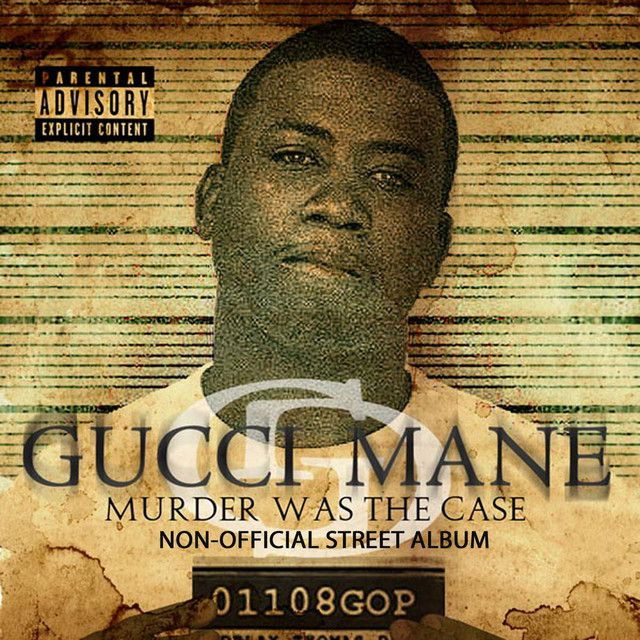
Block Party by Gucci Mane
Why This Track Feels More Like a Warning Than a Celebration
The meaning of Block Party Gucci Mane is less about fun and more about control. Even though the title sounds festive, the song turns the idea of a neighborhood party into a trap-world power display. In this track, they present the block as a place where money, fear, status, and survival all mix together.
"Block Party" - Gucci Mane
Geah, geah, Juice
Zay we eskimos
Loading lyrics...
Unable to load lyrics
We're unable to display the lyrics at this time. Please try again later.
The chorus gives the clearest clue. When Gucci frames it as it's my party
, they are not inviting everyone in. They are claiming ownership over a local economy and over the people moving through it. The repeated offers to buy, sell, or get fronted are not casual party talk. They show a system where the speaker sets the rules.
Watch the official Block Party
music video
The Core Meaning: Power on the Corner
At its center, the song is about street authority. Gucci Mane uses the block as a symbol of both business and identity. The hook circles around drug dealing, credit, temptation, and pressure. In plain terms, they describe a world where the speaker profits because other people keep coming back.
That is why the phrase buy a dub if you want to
matters. It sounds simple, but it shows the speaker acting like a dealer, host, banker, and boss at once. The song keeps returning to that idea: this is a marketplace, and Gucci is the one controlling access.
Interpretation: The "party" works like irony. A real party suggests freedom and joy. Here, the word makes the street trade sound normal, even festive, while the verses reveal danger underneath. That tension is a big part of the song's effect.
How the Verses Build Gucci's Character
The verses stack up images of wealth, aggression, and paranoia. Gucci talks about cars, cash, drugs, weapons, and rivals. None of these details are random. Together, they build a self-portrait of someone who has survived by becoming larger than life.
When they brag about a million dollar trap house
, the point is not just luxury. It is transformation. The song suggests that a place tied to crime and risk has become a source of huge income. That boast fits a long-running Gucci Mane theme: turning street hustle into fame, and fame back into myth.
Another key line is the feds keep watchin
. That phrase adds pressure to the record. Gucci is not describing a carefree king sitting safely on top. They show a person whose success also brings surveillance. So the song balances confidence with threat.
From Boast to Threat
Midway through, the song becomes more openly violent. The energy shifts from selling to defending. This matters because it explains what keeps the speaker's authority in place. The business is not just built on demand. It is protected by force.
One short section captures that turn:
Who the hell you think I am?
Musta thought I was a bitch
Before and after these lines, Gucci makes it clear that disrespect will be answered hard. The song's logic is blunt: if they rule the block, they also have to make others believe that challenging them is a bad idea.
Interpretation: This is not confession in a soft, reflective sense. It is performance. Gucci is shaping an image of invincibility because, in the world of the song, image itself is a survival tool.
What the Hook Really Does
The chorus is catchy, but it is also the song's trap. It repeats the sales pitch until it starts to sound automatic, almost mechanical. That repetition mirrors the cycle of street commerce: offer, temptation, transaction, repeat.
The final line of the refrain, I know what'chu gonna do
, is especially revealing. Gucci suggests that desire is predictable. Customers, rivals, even listeners are pulled into a script that the speaker already understands. That gives the song a cold confidence. It says the block runs on habits, and the boss knows every one of them.
Production: Cold, Sparse, and Built for Intimidation
The track's production helps explain the meaning of Block Party Gucci Mane as much as the lyrics do. It was written by Radric Davis and Xavier Dotson, with the recording strongly tied to Gucci's early trap era and the wider Atlanta sound associated with producer Zaytoven's circle. Gucci's rise in that scene is well documented by outlets like Britannica and The Recording Academy.
Musically, the beat feels skeletal and hard-edged. The drums hit with a blunt, marching feel, while the melody leaves lots of space. That emptiness matters. It makes every threat sound bigger and every brag sound more severe. Instead of warm party music, they get a tense street soundtrack.
The ad-libs and repeated names also serve a purpose. They build a local world around Gucci, one connected to Atlanta trap identity. That gives the song regional flavor, but it also deepens the feeling that this block has its own rules, language, and gatekeepers.
Artist Context Matters Here
Gucci Mane became one of the defining voices of Atlanta trap by turning street detail into vivid rap theater. Critics have often noted how central he was to trap's growth in the 2000s, including The New York Times and AllMusic. In that context, "Block Party" fits a familiar lane: they mix commerce, menace, humor, and self-mythology into one performance.
That context helps listeners hear the song correctly. It is not presenting a policy argument or a moral lesson. It is creating a persona. The speaker is part hustler, part host, part kingpin, and part neighborhood legend.
Final Take: A Party Where Gucci Owns the Door
So what is the meaning of Block Party Gucci Mane? It is a song about ownership—of space, of supply, of reputation, and of fear. The title promises celebration, but the verses reveal a harsher truth: this party only exists because one person controls the block.
That is why the record still lands. It turns a common image—a block party—into a symbol of trap power. Gucci Mane does not describe a community event. They describe a street empire dressed up as one.
Disclaimer: This interpretation is based on the lyrics, performance, and publicly available artist context. Song meaning can vary from listener to listener.







