Why “Don’t Cry” Still Hurts So Much
The meaning of Don't Cry Guns N’ Roses comes down to one hard moment: a breakup where love remains, even as the relationship ends. Instead of rage or blame, the song offers comfort. That is what makes it unusual in the band’s catalog. Guns N’ Roses were known for danger, swagger, and chaos, but here they sound gentle, wounded, and sincere.
"Don't Cry" - Guns N’ Roses
There's something in your eyes
Don't hang your head in sorrow
Loading lyrics...
Unable to load lyrics
We're unable to display the lyrics at this time. Please try again later.
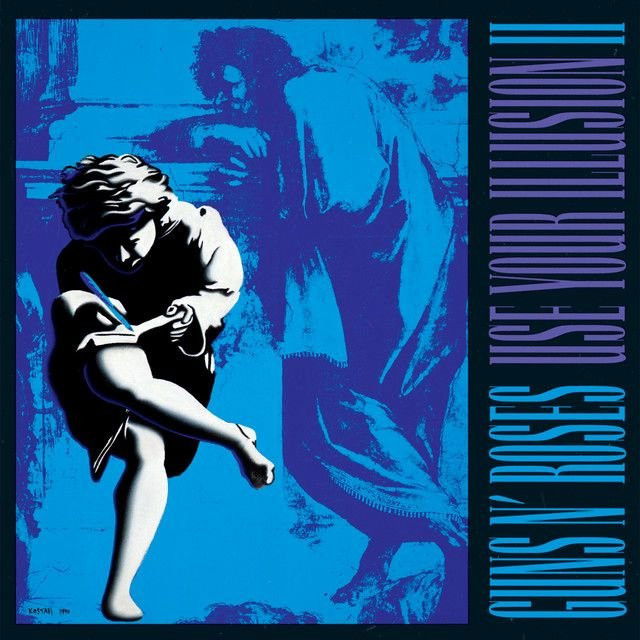
Released in 1991 on Use Your Illusion I, “Don’t Cry” was also issued in an alternate-lyrics version on Use Your Illusion II. According to Wikipedia, Axl Rose and Izzy Stradlin wrote the song in 1985, and Rose later said it was the first song written for Guns N’ Roses. That early origin matters. It captures the band before fame, when heartbreak felt small in scale but huge in emotion.
A breakup song that chooses tenderness
At its core, the song is about trying to soften the pain of goodbye. The speaker knows the other person is hurting and tries to guide them through it. Early lines like talk to me softly
and please don't cry
set that mood right away. They do not deny the sadness. They simply ask for calm in the middle of it.
This is why the chorus lands so strongly. The repeated plea is not cold or dismissive. It sounds like someone trying to hold another person together for one more night. The phrase there's a heaven above you
suggests hope beyond the present moment. In plain terms, the speaker is saying: this hurts now, but life is bigger than this breakup.

Watch the official Don't Cry
music video
Where the song came from
The backstory gives the lyrics more weight. Rose told Rolling Stone the song grew from a real goodbye involving a woman connected to both him and Izzy Stradlin. As he described it, she was ending things, he was devastated, and she told him not to cry. Rose and Stradlin then wrote the song very quickly.
That story helps explain why the song feels so direct. There is almost no metaphor in the main version. It speaks in simple words: whisper, sigh, kiss, goodbye, tomorrow. Those are everyday details, which makes the emotion feel immediate rather than theatrical.
A short emotional map
The song moves through three clear stages:
- It starts with comfort during visible pain.
- It shifts to accepting the breakup itself.
- It ends by promising survival after the night passes.
That last movement matters most. The line about feeling better in morning light turns the song from pure grief into reassurance.
How the verses build the meaning
The first verse is almost like a hand on someone’s shoulder. The speaker says they understand because they have felt this kind of pain before. That creates trust. They are not preaching from above; they are speaking as someone who has already been broken.
The second verse makes the scene more specific. When the song asks for a whisper, a sigh, and a kiss before goodbye, it frames the breakup as intimate rather than explosive. They are not fighting. They are parting with sadness and care still in the room.
give me a kiss
before you tell me goodbye
Those lines summarize the song’s emotional tension: affection survives, but the relationship does not.
The final verse is the most mature part of the lyric. The speaker insists they were honest, then says the other person has to make their own way. That is not just comfort; it is release. Love here means letting someone go without trying to control them.
Sound that turns pain into a power ballad
Part of the meaning of Don't Cry Guns N’ Roses lives in the arrangement. Produced by Mike Clink with the band, the track balances hard-rock size with ballad warmth. Slash’s guitar does not just decorate the song; it gives the grief a singing voice. His melodic fills answer Axl Rose almost like a second narrator.
The tempo is steady and patient, which keeps the song from turning melodramatic. The drums and bass support the chorus without rushing it, and the keyboards add lift around the edges. Most important is Rose’s vocal performance. He moves from a near-whisper to a full cry, which mirrors someone trying to stay composed while emotions keep breaking through.
Shannon Hoon of Blind Melon also adds high harmony vocals, mixed behind Rose. Slash later said Hoon made the song more soulful. That is easy to hear. The layered voices make the chorus feel less like one person speaking and more like grief echoing in the room.
Why it stood out in Guns N’ Roses’ catalog
“Don’t Cry” sits beside “November Rain” and “Estranged” as part of an emotional trilogy often linked to Del James’s story “Without You.” But this song is the most compact and human of the three. It does not aim for grand tragedy. It stays close to one moment and one plea.
That focus may help explain its reach. The single hit the Top 10 in the United States and the United Kingdom and charted strongly around the world. Listeners did not need to decode it. They recognized the feeling immediately: wanting to comfort someone they still love, even when the ending cannot be stopped.
A fair interpretation of its deeper message
Interpretation: Beyond the breakup, the song may also be about emotional survival. The repeated address to another person can sound like self-talk too, as if the singer is trying to calm his own panic by caring for someone else. That double meaning gives the song extra staying power.
Interpretation: The title phrase is not a command to hide emotion. It is closer to a promise that sorrow is temporary. The song allows tears, then points past them.
Why the song still connects
They still hear “Don’t Cry” as one of Guns N’ Roses’ most vulnerable recordings because it mixes strength and softness without sounding fake. It understands that breakups are not always fueled by betrayal. Sometimes two people still care, and that can hurt even more.
In the end, the song says goodbye with kindness. That is the real reason it lasts.
Disclaimer: This interpretation is based on the lyrics, recording context, and documented comments from the artists. As with any song, listeners may hear different meanings in it.







