Why Haken’s “The Endless Knot” Feels Inescapable
The meaning of The Endless Knot Haken comes into focus when they frame the song as a cycle: people dream, drift, ignore warnings, collapse, and then look for a story that can save them. It is one of Haken’s most urgent pieces, mixing personal confusion with a wider vision of social failure.
"The Endless Knot" - Haken
We crawl, we swim, it's never-ending
The crests of tidal waves are raging
Loading lyrics...
Unable to load lyrics
We're unable to display the lyrics at this time. Please try again later.
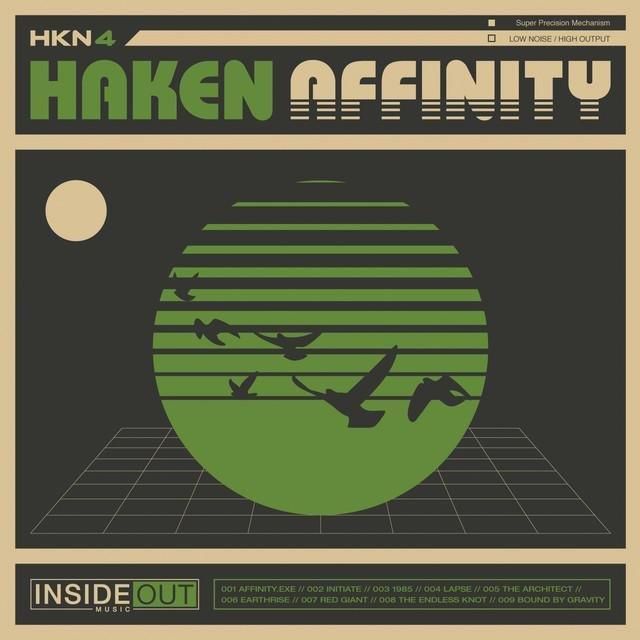
Factually, “The Endless Knot” appears on Affinity, released in 2016 by Haken, the London progressive metal band known for concept-heavy writing and technical arrangements. The album is widely documented in the band’s official materials and major music databases, including InsideOut Music and Discogs.
A Song About Loops, Not Straight Lines
At its core, the song describes being trapped in patterns that feel bigger than one person. Early lines picture impossible destinations and constant motion, as if effort never leads to arrival. When the lyric mentions never-ending
, it captures the song’s central fear: motion without progress.
Interpretation: this is not just frustration. It is a warning about repetition itself. The “endless knot” is a structure that keeps tightening, whether the subject is memory, politics, or human history.
The title gains extra depth because knot imagery already carries ideas of entanglement and permanence. In mathematics, knot theory studies closed knots that cannot simply be undone by pulling the ends apart, because the ends are joined. That makes the title feel apt for a song about systems that seem sealed shut.

Watch the official The Endless Knot
music video
The Flooded Mind at the Center
The first half sounds intimate before it turns global. The speaker feels surrounded by water, memory, and confusion. A phrase like memories flooding back
suggests that the past is not gone at all. Instead, it returns with enough force to overwhelm the present.
That makes the water imagery do two jobs at once:
- it shows emotional overload
- it suggests a whole world covered by unresolved history
- it blurs inner and outer disaster
When the song asks whether this is the past moving through them, it hints that trauma can feel inherited. People may think they are living in the present, but they are often reacting to older fears, myths, and mistakes.
A Brief Turn Toward Resolve
Midway through, the song offers a short command to endure:
Close your eyes, stand your ground
Face the wind, never looking back
This is the article’s only multi-line quote, and even here the point is not triumph. The advice sounds brave, but also defensive. They are not escaping the storm; they are bracing against it.
From Personal Crisis to Collective Disaster
The next section widens the lens. Ancient warnings are ignored. Fiction is treated like fact. Leaders guide people toward ruin while followers comply. The lyric mass extinction
makes the stakes feel civilizational rather than merely personal.
Interpretation: Haken seem to be describing how societies drift into catastrophe by refusing hard truths. The line about proving fiction with facts suggests a culture that bends reality to fit comforting stories.
That reading fits Affinity as an album, which often explores the relationship between humanity, technology, and survival. In “The Endless Knot,” that concern becomes darker: people are not just misinformed, they may be wired to repeat destructive behavior.
What the Chorus Really Adds
The song’s final idea is also its most revealing. It says people need belief, a hero, and a challenge. Then it lands on the harshest claim: It takes a tragedy
to make people unite.
This is where the meaning of The Endless Knot Haken becomes especially sharp. The song is not only about disaster. It is about the uncomfortable fact that humans often organize themselves through crisis. They struggle to act together in calm times, then suddenly become one when the damage is already done.
That turns the chorus into both diagnosis and critique. The desire for a savior may be emotionally real, but the song questions whether that habit keeps the cycle going.
How the Music Tightens the Theme
Musically, Haken support the lyrics with restless momentum. The track is known for its shifting structures, rhythmic precision, and dense layering, all signatures of the band’s progressive metal style. Instead of settling into one emotional lane, the arrangement keeps twisting, which mirrors the image of a knot.
The heavier passages make the warnings feel physical. Meanwhile, more melodic stretches briefly suggest clarity before the song folds back into tension. That push and pull helps express a world where insight appears, then gets swallowed again.
Interpretation: the production choice to balance mechanical tightness with emotional vocals fits the lyric theme perfectly. The band sound almost locked into a system, while the voice inside that system still tries to make sense of it.
Two Strong Ways to Read It
There are at least two convincing readings of “The Endless Knot.”
Reading One: a social warning
This reading sees the song as a critique of collective denial. Lines about prophecy, blind following, and collapse suggest a civilization that ignores danger until it is too late.
Reading Two: a psychological loop
This reading focuses on instinct, memory, and confusion. The song can describe a person reliving pain, falling back on habits, and never fully understanding why.
The strongest point is that both readings work together. Personal trauma and public collapse mirror each other. In both cases, the pattern keeps repeating.
The Lasting Pull of the Title
The title may also invite symbolic associations beyond the lyric sheet. The “endless knot” is a long-standing symbol in several traditions, often linked with continuity and interconnection. In a darker context like this song, though, continuity stops feeling comforting. It becomes entrapment.
That is why the track lingers. It does not promise clean escape. It asks what happens when people can recognize the pattern, describe the pattern, and still remain bound to it.
Disclaimer: This interpretation combines documented context with informed reading of the lyrics and music. As with most Haken songs, some meaning remains open to listener interpretation.







