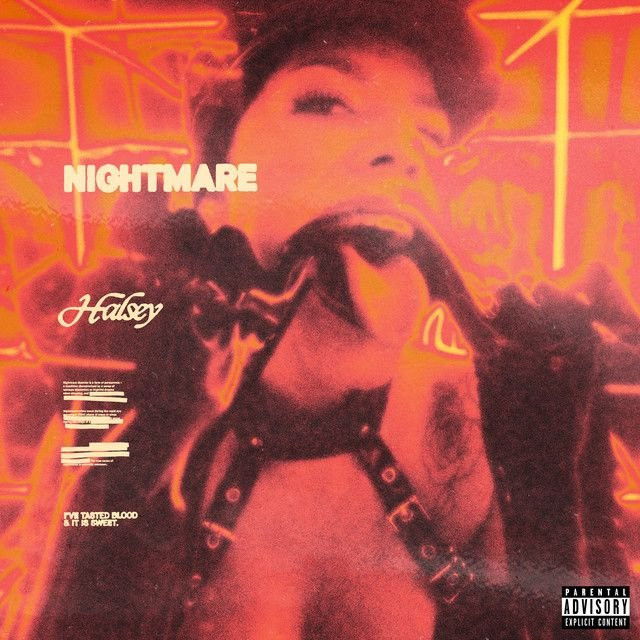
Nightmare by Halsey
They don’t ask for permission; they demand the right to take up space. That’s the core meaning of Nightmare by Halsey—a pop-rock broadside that turns anger into armor. For listeners searching the meaning of Nightmare Halsey, this track argues that being labeled “difficult” can be a form of self-defense, especially for women.
"Nightmare" - Halsey
I pray the Lord my soul to keep
If I shall die before I 'wake
Loading lyrics...
Unable to load lyrics
We're unable to display the lyrics at this time. Please try again later.
Halsey’s Battle Cry: What This Song Argues
Nightmare reframes rage as survival. When Halsey invokes a bedtime prayer and then catalogs a record of the wreckage
, they set a confessional tone that quickly hardens into resolve. The message: scars are evidence, not shame.
Interpretation: The song pushes back against rules about how women should look, love, and behave. By naming the brain as a weapon in my mind
, Halsey claims thought, language, and will as tools of resistance rather than traits to be softened.
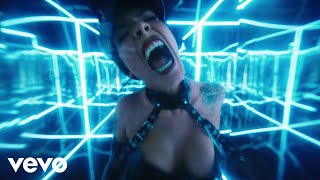
Watch the official Nightmare
music video
Voice Versus The World: Who’s Being Addressed?
The narrator speaks in first person to a chorus of demanding voices. Catcall culture shows up in the command give us a smile
. Halsey answers the male gaze and moral policing with a line like I don't owe you a goddamn thing
, turning a common street taunt into a manifesto.
Interpretation: The “you” shifts—critics, exes, fans, even an inner judge—but the stance stays the same: autonomy over approval.
From Prayer to Fury: A Quick Narrative Timeline
- Opening: A childhood prayer sets up fear and vulnerability.
- Verse 1: They recount betrayal and self-repair, turning broken glass and body-pinching into hard-earned clarity.
- Pre-Chorus/Chorus: The ledger of harm becomes fuel; the speaker accepts being perceived as a “problem.”
- Verse 2: Bedroom agency and boundaries take center stage; politeness gives way to protection.
- Bridge/Outro: The self-chosen label “nightmare” becomes a banner.
The Hook That Bites Back
The chorus flips the expected pop fantasy of being a “dream.” Instead, Halsey declares:
I'm no sweet dream, but I'm a hell of a night
Interpretation: The hook claims danger as allure and defense. If “dream” means docile, they’d rather be the storm. That line also plants the keyword idea—meaning of Nightmare Halsey—as a proud refusal to be palatable.
Sharp Images, Clear Motifs
- Ledger-keeping: The
record of the wreckage
motif suggests receipts—proof that anger is earned. - Mind as weapon: Calling it a
weapon in my mind
reframes anxiety and hyper-awareness as strategy. - Teeth and breath: Asking to
let me breathe
echoes how women are often interrupted or crowded; breath equals space. - Smile demand: The recycled catcall
give us a smile
exposes everyday control tactics. - Dream logic: Using
no sweet dream
turns the dream/nightmare binary into a moral test—be tame or be true.
Production Teeth: Why It Sounds So Mean
Released May 17, 2019 on Capitol, Nightmare blends pop with industrial, alternative rock, and flashes of nu metal. The percussion hits like sheet metal, bass snarls in the low end, and guitars scrape against processed synths. The tempo sits in a brisk mid-140s range, pushing the vocal into a controlled shout.
Halsey wrote it with producers Benny Blanco, Cashmere Cat, and Happy Perez. The track nods to t.A.T.u.’s All the Things She Said via credited interpolation, connecting it to another era of rebellious pop. Chant-like layering in the chorus invites a crowd to yell the hook back—perfect for arenas and protest playlists alike.
Culture And Reception: Why It Landed
Critics framed the song as a necessary jolt. Billboard praised its unorthodox pop-rock mix and its autonomy-forward lines, while Rolling Stone heard a necessary gesture of rage and empowerment. It peaked at No. 15 on the Hot 100 and has earned multi-platinum certification in the U.S., showing its message resonated beyond stan circles.
In the Hannah Lux Davis–directed video, cameos by Cara Delevingne, Debbie Harry, Ryan Destiny, and Suki Waterhouse expand the feminist charge. Visuals of protest signs and corporate gloss side by side sharpen the song’s refusal to “smile” on command.
Alternate Readings Worth Considering
- Interpretation: A trauma ledger. The speaker’s detailed “wreckage” list reads like documentation—naming harm to counter gaslighting.
- Interpretation: A media critique. Demands for a palatable pop persona (“sweet dream”) collide with a brand built on blunt honesty. Embracing “nightmare” becomes a marketing and moral choice: be real, even if it offends.
Final Takeaway
Nightmare argues that anger can be ethical and protective. For fans asking about the meaning of Nightmare Halsey, the song says: choose boundaries over likability—and if that makes you a “nightmare,” wear it like armor.
Disclaimer: Lyric interpretations are subjective and reflect one informed reading; listeners may find other valid meanings.









