Why 'Fick das System' Hits Like a Riot
A Protest Song Built for the Street
The meaning of Fick das System Hämatom starts with its title: this is a furious rejection of power structures that feel corrupt, cold, or suffocating. The song does not hide behind subtle wording. Instead, it turns anger into a chant, using blunt language to sound like a crowd speaking with one voice.
"Fick das System" - Hämatom
Massen toben, Fahnen wehen
Anker reißen, Fäuste stehen
Loading lyrics...
Unable to load lyrics
We're unable to display the lyrics at this time. Please try again later.
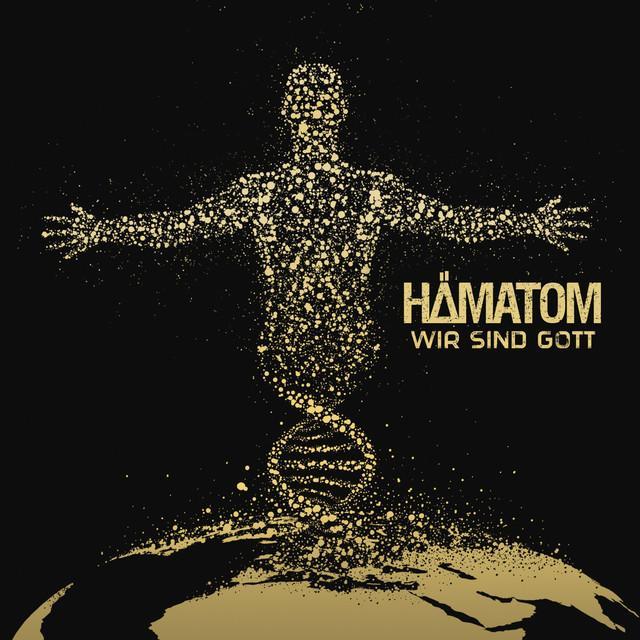
Hämatom are a German metal band formed in 2004, known for masks, theatrical live shows, and lyrics that moved over time from fairy-tale themes toward social criticism, as noted in their band history. That shift matters here. “Fick das System” was released in 2016 as a single from Wir sind Gott, the album that became one of their biggest chart successes.
Factually, the song is a protest anthem. Interpretation: emotionally, it is less about one government or one law than about the feeling of being trapped inside a broken modern world and wanting to smash a way out.
What the Lyrics Are Really Saying
From numbness to revolt
The verses begin with a body that feels deadened. The speaker says they can no longer feel, taste, or sense anything. That numbness suggests burnout, social poison, or life under pressure so extreme that basic human feeling starts to collapse.
The imagery grows harsh fast: toxic meals, failing senses, shattered glass, and the urgent need to breathe again. In plain terms, the song imagines a person pushed so far by the system that escape becomes physical. When they want to break a window and breathe, the idea is simple: the environment itself feels unlivable.
One short phrase captures the song’s emotional center: die Freiheit ruft
. Freedom is calling, but not quietly. It sounds like a demand, almost a siren.
The crowd becomes the main character
The chorus expands from one person’s crisis into mass uprising. Cities like London, New York, and Berlin are named, then many more later. That global map matters. The song is saying rebellion is not local; frustration with power exists everywhere.
In that sense, London, New York und Berlin
is not just geography. It is shorthand for worldwide unrest, shared anger, and linked protest cultures. When the lyrics describe Massen toben
and flags waving, they paint a crowd scene where private pain becomes public action.
Mauern brechen
Augen tränen
Blaulicht trennt
Die Straße brennt
These brief lines sketch the street-level consequences of revolt: barriers fall, people cry, police lights divide bodies, and the city turns chaotic. The song does not describe calm reform. It describes rupture.
The Chorus Turns Anger Into an Anthem
At the center is the repeated hook Fick das System
. Paraphrased, it means a total refusal to cooperate with oppressive power. The repetition matters as much as the phrase itself. By repeating it again and again, Hämatom make the line feel less like a lyric and more like a chant shouted by thousands.
Interpretation: the hook works because it is broad. “The system” can mean government, class power, media control, surveillance, stale institutions, or simply the rules that keep ordinary people feeling small. Different listeners can pour their own frustrations into it.
That also explains why the song names places across Europe, Asia, North America, and South America. It pushes toward a universal “David versus Goliath” frame: people below versus structures above.
Symbols of Collapse and Release
Several images carry the song’s themes:
- Walls and windows: barriers that trap people, then get broken.
- Blue lights: authority, control, and confrontation.
- Fire and barricades: revolt crossing from emotion into action.
- Black doves and tweets: old and new forms of sending a message.
- Cities: proof that anger is international, not isolated.
One of the smartest details is the mix of symbolic and modern language. The lyric about black doves feels old-fashioned and almost mythic, while the reference to a liberation “tweet” updates the protest into the social media age. That blend gives the song both street urgency and larger legend-like scale.
How the Music Carries the Message
Hämatom’s style pulls from groove metal, thrash metal, and Neue Deutsche Härte, according to Wikipedia. That combination is perfect for this track’s meaning. Groove gives the song a march-like force, thrash adds speed and aggression, and Neue Deutsche Härte brings the stomp and chant quality that makes slogans hit hard.
The production likely aims for impact over nuance: heavy guitars, pounding drums, and a vocal attack built to cut through noise. Even without picking apart every sonic detail, the effect is clear. The arrangement sounds collective, physical, and confrontational.
This is important to the meaning of Fick das System Hämatom. If the same words were sung softly, they might sound reflective or sad. Here, they sound mobilizing. The music pushes the lyrics out of private despair and into public defiance.
Artist Context Sharpens the Meaning
Because Hämatom had already moved into more socio-critical writing before 2016, this song fits a broader pattern in their work rather than coming out of nowhere. It also arrived on Wir sind Gott, an album that reached No. 5 in Germany, giving the band one of their strongest chart moments.
That context matters because the song is not underground anger muttered from the margins. It is a mainstream-visible metal protest song. Their masked image also adds another layer: they often present themselves less as ordinary individuals and more as symbolic figures. That suits a song where one voice becomes many.
A Final Read on the Song’s Meaning
So, what is the meaning of Fick das System Hämatom? At the clearest level, it is a rallying cry against oppressive systems and a fantasy of collective resistance. It begins in numbness, grows into anger, and ends in global solidarity.
Interpretation: the song is not offering a policy program. It is offering emotional release. Its real power comes from translating frustration into movement, noise, and shared identity.
That is why it still lands. People may disagree on what “the system” is, but the song understands the feeling of suffocation that makes someone want to shout back.
Disclaimer: This interpretation is based on the lyrics, known artist context, and the song’s musical presentation. As with most art, listeners may hear different meanings in it.








