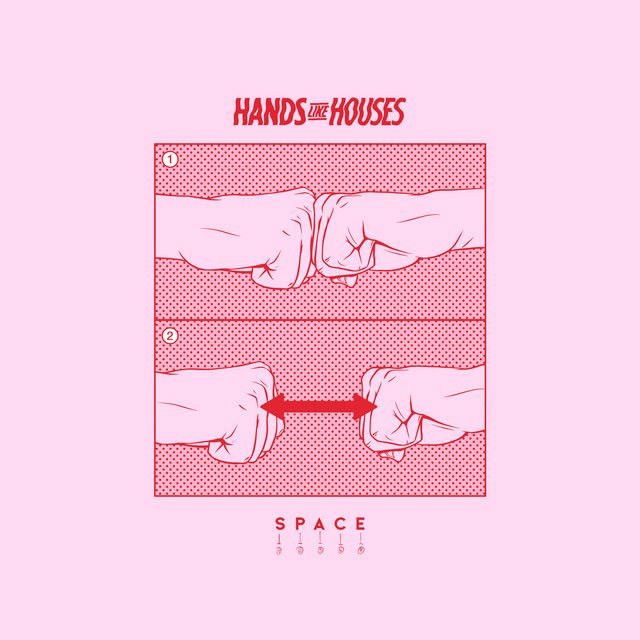
What "Space" by Hands Like Houses Really Means
The meaning of Space Hands Like Houses centers on a hard truth: sometimes care and closeness are not the same thing. In this song, they frame “space” not as rejection, but as survival. The speaker sounds tired, blamed, and emotionally cornered, yet still attached to the other person.
"Space" - Hands Like Houses
I tried to sell my soul, but both of them are worn through
I dragged my feet, you dragged my name and I'm sick of it
Loading lyrics...
Unable to load lyrics
We're unable to display the lyrics at this time. Please try again later.
That tension gives the song its pull. It is about needing distance from someone they still defend. Instead of a dramatic farewell, the lyrics describe a person trying to protect what is left of their identity.
A plea for distance, not indifference
At its core, “Space” is about emotional burnout inside a relationship that has become painful. The opening image of old shoes suggests a long, exhausting path. When the speaker says they have walked far and feel worn down, the song paints struggle as something ongoing, not sudden.
Then the blame enters. They describe being dragged down and publicly diminished, which makes the conflict feel personal and humiliating. Short phrases like old shoes
and dragged my name
point to wear, history, and damage to reputation.
Interpretation: the song’s key idea is that boundaries become necessary when loyalty turns into self-erasure. The speaker is not claiming innocence in every detail. In fact, they admit they may have hurt the other person too. That self-awareness keeps the song from sounding one-sided.

Watch the official Space
music video
The speaker’s emotional position
The voice is first person, but the emotional design is easy to follow. They feel trapped between guilt and self-defense. One of the most revealing moments is I don’t deserve this
, which shows that they believe the response from the other person has gone too far.
That matters because the song never sounds cold. Even while asking for distance, they are still emotionally engaged. The repeated line still on your side
turns the song from simple anger into something sadder and more mature.
Why that contradiction matters
Usually, songs about distance lean toward breakup or revenge. “Space” works differently. It says a person can stay loyal while also needing room to breathe.
That contradiction is the whole emotional engine:
- They feel blamed.
- They admit the relationship is damaged.
- They ask for separation.
- They insist they have not stopped caring.
Verse by verse, the conflict gets clearer
The first verse introduces fatigue and repeated failure. They have tried, compromised, and even changed themselves to keep the peace. The line about changing their tune suggests adaptation, maybe even people-pleasing, in hopes of saving the bond.
The second verse deepens the conflict. Now the speaker admits they may have caused pain beneath the surface. That phrase implies hidden wounds rather than one loud disaster. But even with that admission, they also describe suffocation: could not breathe
. The other person will not let go, and the relationship feels emotionally claustrophobic.
This structure is important. The song does not begin with the demand for space. It earns it. First comes exhaustion, then guilt, then the realization that distance is the only honest option left.
What the chorus really changes
When the song lands on I need space
, it sounds simple, but it reframes everything before it. The verses show conflict; the chorus names the remedy. It is not a clever metaphor. It is a direct boundary.
That directness makes the song hit harder. Many rock songs bury vulnerability under attitude. Here, the repeated chorus strips things down to one human need: room to recover.
I need some space
got no patience
fear and frustration
Even in this brief moment, the emotional logic is clear. They are not stepping back because they feel nothing. They are stepping back because fear and frustration have taken over the relationship.
The symbols are simple, but effective
The song does not rely on abstract poetry. Its images are plain, which helps the feeling come through quickly.
Worn objects and losing self
The shoes suggest long-term strain. Battles suggest recurring conflict. Breathing suggests panic or emotional compression. Together, those details build a portrait of someone who has been fighting for too long.
Another important image is the idea of losing oneself. That points to a common relationship fear: not just being hurt by someone, but becoming unrecognizable while trying to keep them happy.
Interpretation: the real danger in the song is not only heartbreak. It is identity loss.
How the sound carries the message
Hands Like Houses are known for polished alternative rock and post-hardcore textures, with big choruses and emotional vocal delivery, as noted in band profiles and release coverage from sources like UNFD and AllMusic. That style fits “Space” well.
The song’s likely impact comes from contrast. Tight, tense verses mirror bottled frustration, while the chorus opens up into a more anthemic release. That kind of arrangement makes the request for space feel larger than a private argument. It turns it into a breaking point.
Vocally, the words work best if they sound strained rather than detached. A clean but urgent delivery would underline the idea that this person has held things in for too long.
More than one relationship can fit this song
The most obvious reading is romantic conflict. Still, the lyrics are broad enough to fit other bonds too. A friendship, family connection, or creative partnership could also match the same emotional pattern.
That openness helps explain why the song resonates. Many listeners know what it feels like to care about someone and still need distance from them.
Final takeaway on the meaning of Space Hands Like Houses
The meaning of Space Hands Like Houses is about boundaries under pressure. They present “space” as an act of honesty, not abandonment. The speaker is drained, blamed, and still loyal, which makes the song less about leaving and more about trying not to disappear inside a difficult bond.
That is why the song lingers. It understands that sometimes the kindest thing a person can say is also the hardest: they still care, but they cannot stay this close.
Disclaimer: This article offers interpretation based on the lyrics provided and publicly available artist context. Song meaning can remain open to listener experience.









