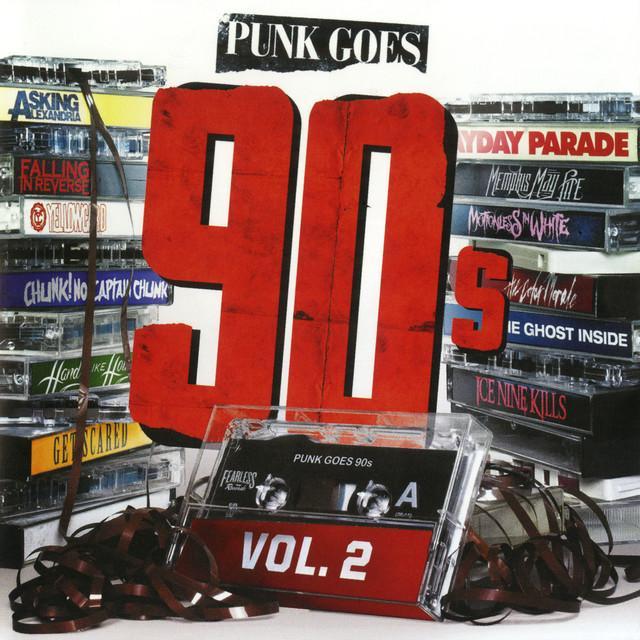
Torn by Hands Like Houses
The meaning of Torn Hands Like Houses starts with a simple but painful idea: they are singing about the moment love stops feeling true. The song captures the split between fantasy and reality, when a person they once admired no longer matches the image in their mind.
"Torn" - Hands Like Houses
He was warm, he came around like
He was dignified
Loading lyrics...
Unable to load lyrics
We're unable to display the lyrics at this time. Please try again later.
Hands Like Houses did not write the song; their version is a 2014 cover for Punk Goes 90s Vol. 2, while the song itself was written by Scott Cutler, Anne Preven, and Phil Thornalley and first emerged through Ednaswap before Natalie Imbruglia turned it into a global hit in 1997. That history matters because the band’s heavier style changes the emotional temperature without changing the core wound.
When the Dream Breaks, the Song Begins
At its heart, this is a song about disillusionment. The speaker remembers believing they had found someone kind, steady, and emotionally open. Early on, the person seemed brought to life
and almost ideal.
Then the song pivots. The same person now feels distant, emotionally blank, and hard to recognize. The line about not knowing him anymore is the emotional hinge: the relationship did not just fade, it exposed a gap between who they hoped he was and who he actually is.
Interpretation: That is why the song hurts so much. They are not only grieving a partner. They are grieving the story they told themselves about that partner.
Watch the official Torn
music video
The Verses Trace a Collapse in Real Time
One reason the lyrics feel so relatable is that they move step by step through a breakup’s mental timeline:
- They remember the ideal version of the relationship.
- They notice emotional neglect and distance.
- Communication fails and
conversation has run dry
. - They finally admit that nothing is working.
That progression gives the song its clarity. It is not vague heartbreak. It is the sound of someone realizing the relationship has become empty long before the final goodbye.
Why the Silence Matters
The repeated idea that there is nothing where love used to be is especially powerful. The song does not focus on a dramatic betrayal. Instead, it points to absence: missing warmth, missing conversation, missing emotional contact.
That kind of emptiness can feel worse than a fight. It leaves them with no solid answer, only a growing sense that the bond has dried up.
The Chorus Turns Emotion Into Physical Sensation
The chorus is famous because it translates heartbreak into body language. The speaker says I'm all out of faith
, which suggests they have lost trust not only in the relationship but also in their own hopeful reading of it.
They also describe feeling cold and I am chained
. Even without taking the image literally, the idea is clear: heartbreak has made them feel trapped, exposed, and unable to move on cleanly.
I can see the perfect sky is torn
You're a little late
I'm already torn
This short section captures the song’s central insight. The world once looked whole and beautiful, but now even the sky seems ripped open. By the time the other person might respond, the damage is already done.
Symbols That Carry the Meaning
The lyrics use a few simple images, but they do a lot of work.
Sky, floor, and exposure
The torn sky suggests a shattered worldview. It is not just romance that breaks; it is the illusion of safety around it. The floor imagery makes the feeling more grounded. They are no longer floating inside a fantasy. They have hit emotional bottom.
The references to exposure and shame also matter. The song presents heartbreak as something almost humiliating. They feel foolish for trusting what now seems unreal.
Faith and illusion
The word faith gives the song a larger emotional frame. This is not only about liking someone and losing them. It is about belief itself. The phrase illusion never changed
points to the real wound: reality never became what they hoped it would be.
Interpretation: In that sense, the song is about self-correction. Pain enters when denial ends.
What Hands Like Houses Add to the Song
Hands Like Houses are an Australian rock band formed in Canberra in 2008, known for alternative rock, post-hardcore, and emo-adjacent sounds. Their cover of “Torn” appeared in 2014, and that context matters because they bring sharper guitars and a more forceful vocal attack than the best-known pop version.
That shift changes how the listener hears the lyrics. Natalie Imbruglia’s version, produced by Phil Thornalley, is often described as acoustic-lined pop-rock with a heartfelt but controlled vocal. Hands Like Houses push the song closer to modern alt-rock tension.
Interpretation: Their arrangement makes the song feel less like quiet realization and more like emotional rupture. The words still describe disillusionment, but the band’s energy adds anger, urgency, and a sense of pressure building under the surface.
Why the Song Still Connects
Part of the reason “Torn” has lasted for decades is its balance of specificity and openness. Facts about its success are well known: Imbruglia’s version sold millions worldwide and became one of the defining pop-rock singles of the late 1990s. But the lyric itself stays timeless because almost anyone can recognize the feeling of discovering that hope was doing more work than reality.
For listeners coming through Hands Like Houses, the meaning stays intact. Their cover proves the song is sturdy enough to survive a genre change because the emotional truth is so clear.
The Lasting Meaning of Torn Hands Like Houses
The meaning of Torn Hands Like Houses is the pain of waking up from romantic illusion. It is about recognizing distance, naming emotional emptiness, and accepting that the person they loved may have existed more in hope than in reality.
That is why the chorus lands so hard. They are not merely sad. They are awakened, exposed, and finally honest.
Disclaimer: This interpretation is based on the lyrics, the song’s release history, and the emotional cues in Hands Like Houses’ cover. As with any song, listeners may hear personal meanings that differ.







