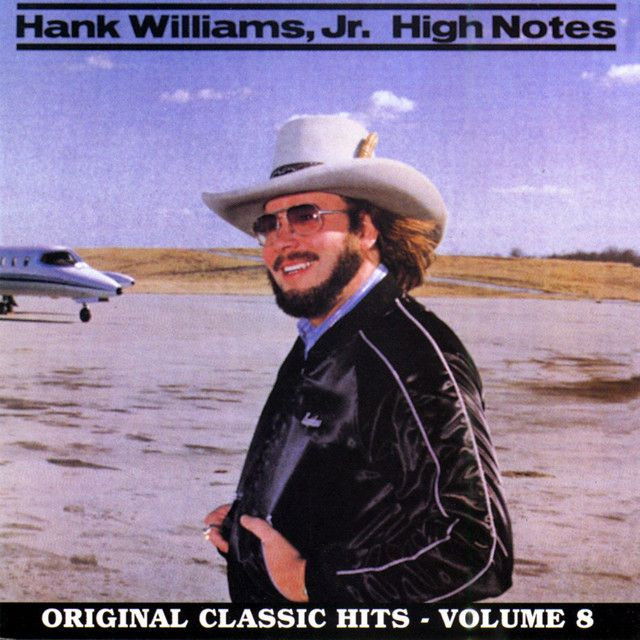
If Heaven Ain't A Lot Like Dixie by Hank Williams, Jr.
The meaning of If Heaven Ain't A Lot Like Dixie Hank Williams, Jr. comes down to a bold idea: home matters so much to the singer that even Heaven is judged by it. The song is playful on the surface, but it also carries real feeling. It ties faith, identity, music, and place into one simple message: they would rather be where their culture feels alive than in a perfect place that feels unfamiliar.
"If Heaven Ain't A Lot Like Dixie" - Hank Williams, Jr.
I don't wanna go
If Heaven ain't a lot like Dixie
Loading lyrics...
Unable to load lyrics
We're unable to display the lyrics at this time. Please try again later.
Recorded by Hank Williams Jr., a major figure in outlaw-leaning commercial country, the song fits the independent image he built across the 1980s and 1990s. His catalog often mixed pride, rebellion, and working-class plain talk, as seen in his Britannica profile. This song uses that same voice to turn regional love into a statement about belonging.
A Heaven Measured by Home
At its core, the song says that spiritual reward means little if it does not include the things that shaped a person. The central line, If Heaven ain't a lot like Dixie
, is not really a rejection of Heaven. It is a way of saying that paradise, to them, must feel personal.
That is why the hook lands so hard. When the singer adds I'd just as soon stay home
, they are not making a calm theological point. They are exaggerating for effect, using humor and stubbornness to show how deeply they love the South.

Watch the official If Heaven Ain't A Lot Like Dixie
music video
The Speaker’s World in the Verses
The verses build that world piece by piece. They mention Alabama roots, family pride, whiskey, romance, country roads, and local beauty. Each detail creates a map of what “Dixie” means in the song.
Birthplace, bloodline, and self-respect
Early on, the singer stresses being born in Alabama and being their father’s son. That matters because the song treats identity as inherited as well as chosen. Southernness is not just scenery here. It is family history.
Interpretation: This part suggests that home is sacred because it connects memory, ancestry, and self-image. The singer is proud of who they are, and that pride is tied to where they come from.
Flaws do not cancel belonging
The song also admits rough edges. The singer mentions hard living and mistakes, then says they have already walked through a kind of promised land. In other words, life in the South has not been perfect, but it has still felt blessed.
That tension is important. The song does not describe an ideal life. It describes a loved life.
Why the Chorus Feels Funny and Serious
One reason this track has lasted is that the chorus works as both joke and credo. The line about Heaven sounding less appealing without Southern culture is funny because it is so oversized. But it is also serious because it turns ordinary local things into eternal values.
Grand Ole OpryTennesseeNew York City
Those place markers are doing big symbolic work. The Opry stands for country tradition. Tennessee stands for the heart of that music. New York City, in the song’s logic, becomes the opposite: distance, alienation, or a world that does not share the singer’s values.
Interpretation: The comparison is not meant as geography alone. It is a culture clash between rooted country identity and a more anonymous modern world.
Nature, Women, and Rural Contentment
Later verses turn toward the small pleasures of everyday Southern life. The singer names wild growth around a shack and says the dusty roads are not heavenly gold, but they are enough. This is one of the song’s strongest ideas.
It argues that worth is not measured by polish. A simple place can hold more emotional truth than a perfect fantasy. The lyrics also praise Southern women in a teasing, admiring way. That part is less reflective than the rest, but it serves the same purpose: the singer is listing the earthly joys that make home feel complete.
How the Sound Supports the Message
Musically, the song stays close to straight-ahead country. It uses a familiar, sing-along structure and a sturdy rhythm that gives the chorus an easy barroom swing. The arrangement leans on traditional country textures rather than trying to sound grand or heavenly.
That choice matters. A huge, ethereal production might have pulled the song toward religion. Instead, the grounded sound keeps it tied to porches, highways, and honky-tonks. Hank Williams Jr.'s vocal delivery adds swagger, making the claims feel less like doctrine and more like lived conviction. His wider career at the AllMusic biography shows how often that rough confidence shaped his appeal.
Artist Context Sharpens the Meaning
This song works especially well for Hank Williams Jr. because he long represented a proud Southern, anti-pretension stance in mainstream country. Audiences already knew him as someone who valued plain speaking and regional identity. So when he sings about preferring a Heaven that looks like home, listeners hear both the character in the lyric and the public image of the artist.
That overlap helps explain the song’s reception. Fans often embrace it less as a formal statement of faith than as an anthem of local pride. It is easy to sing along with because its message is clear in seconds.
Final Meaning in Plain English
So what is the meaning of If Heaven Ain't A Lot Like Dixie Hank Williams, Jr.? It is a celebration of Southern identity so strong that it becomes the singer’s measure for paradise. The song says home is more than a location. It is music, accent, memory, desire, and comfort all at once.
Interpretation: Beneath the humor, the deeper message is that people imagine eternity through what they love most on earth. For this singer, salvation without cultural belonging would feel empty.
That is why the song still connects. It turns regional pride into a universal feeling: people want any promised future to leave room for the life that made them who they are.
Disclaimer: This interpretation is based on the lyrics, recording style, and artist context. Like any song, listeners may hear different meanings in it.








