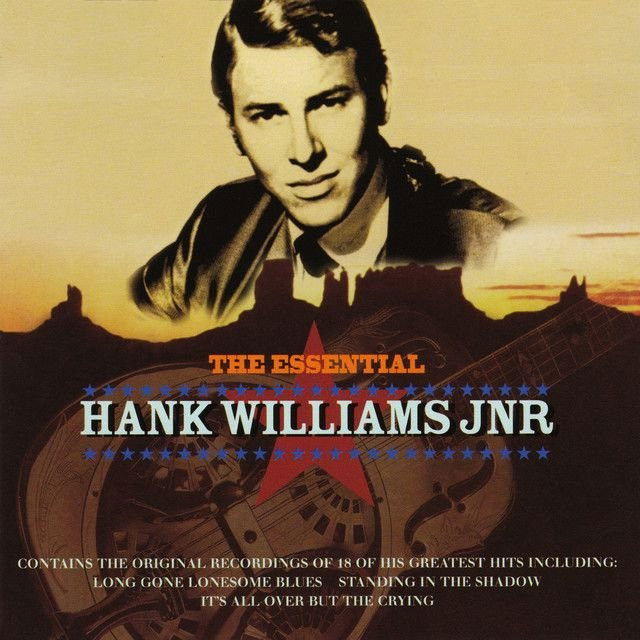
Why ‘It’s All Over but the Crying’ Still Hurts
The meaning of It's All Over but the Crying Hank Williams, Jr. centers on a simple but painful moment: they realize a relationship has already ended emotionally, even if the final goodbye is still being spoken. The song is not about a dramatic breakup scene. It is about the slow, sinking understanding that love has cooled, trust has cracked, and only grief remains.
"It's All Over but the Crying" - Hank Williams, Jr.
For when I try to kiss you you just push me away
Now I don't know what's wrong but I don't see how we can go on
Loading lyrics...
Unable to load lyrics
We're unable to display the lyrics at this time. Please try again later.
That idea fits Hank Williams Jr.’s early career, when he was still working close to the traditional country style tied to his family name. According to the Country Music Hall of Fame, Hank Jr. began recording young and was deeply connected to classic honky-tonk and country ballad traditions. This song sits in that world: direct language, plain emotion, and a broken heart at the center.
The Real Story Beneath the Breakup
At the surface, the plot is easy to follow. The singer notices distance. Physical affection is rejected, conversation feels off, and excuses no longer sound believable. By the time the chorus arrives, they are no longer asking what happened. They already know.
That is why the title line matters so much. When the song says all over but the crying
, it means the relationship is spiritually finished before it is officially finished. The crying is what comes after truth finally catches up.
This is a classic country setup. The pain does not come from one shocking revelation alone. It comes from seeing the signs one by one and being forced to admit what they add up to.
Watch the official It's All Over but the Crying
music video
How the Verses Build Suspicion
The opening lines show emotional distance through everyday behavior. A kiss is refused, and the singer senses change in these past few days
. That small detail matters. The song does not suggest one bad night. It suggests a pattern.
Then the phone call deepens the hurt. The singer is trying to confirm what they already fear, and the answer they receive does the opposite of comforting them. Instead of repairing trust, it confirms it is fading.
One of the song’s sharpest moments is the rejected excuse about a sick friend
. In plain terms, the singer believes the story is false. This turns the song from sadness into betrayal. The heartbreak is not only that love is ending. It is that dishonesty has entered the relationship too.
Why the Chorus Lands So Hard
The chorus works because it is both summary and surrender. Earlier, the singer still sounds confused. In the refrain, they have moved into acceptance. They even admit they never thought the other person was lying, which shows how deep the trust once ran.
It sounded so true
when love was spoken before.
That short idea captures the emotional trap of the song. The past felt real. The affection seemed reliable. Now the singer has to rethink not only the present, but also the memories that led here.
Interpretation: the chorus is less about anger than about emotional aftershock. They are not raging. They are standing in the wreckage, stunned that something they believed in has become impossible to defend.
The Song’s Biggest Theme: Knowing Before Leaving
A major theme here is the gap between recognizing the end and acting on it. The singer sees the signs before the breakup is fully spoken. That creates tension. They are still in the relationship physically, but mentally they have crossed into mourning.
That is why the line about your love for me is dying
matters. It describes love as something fading rather than exploding. The loss is slow, not sudden.
This gives the song emotional realism. Many breakups feel this way in life. People often notice distance, excuses, and silence before anyone finally says goodbye. Hank Jr. and the song’s writing capture that painful in-between space with plain, memorable language.
How the Sound Supports the Meaning
Musically, the song fits the country heartbreak tradition shaped by acoustic rhythm, steady tempo, and a vocal style that keeps the words front and center. Even without flashy production details, the likely arrangement is important: this kind of classic country ballad usually depends on clean accompaniment and emotional restraint rather than dramatic studio tricks.
That restraint helps the meaning. A big, aggressive sound would push the song toward blame. A simpler country setting keeps it intimate and human. The listener stays close to the singer’s realization.
Hank Jr.’s official artist page reflects the wide arc of his career, but songs like this show his grounding in traditional sorrow songs before his later outlaw-country identity became more dominant. In that sense, the song is useful context for hearing how naturally he could deliver old-school heartbreak.
Artist Context Matters Here
The song was written by Hank Williams Jr., which gives it added weight. Even in a straightforward lyric, they are working inside a family tradition where heartbreak songs are not just performed; they are inherited as part of country storytelling.
That does not mean the song must be autobiographical. It means Hank Jr. knows how to use familiar country language without making it feel empty. The plainness is the strength. There is no need for complicated poetry when the emotional point is this clear.
A Final Reading of the Ending
By the end, the song is about accepting an ugly truth with dignity. The singer does not beg forever, and they do not launch into revenge. They recognize the lie, face the loss, and understand that sorrow is the last stage.
So, the meaning of It's All Over but the Crying Hank Williams, Jr. is about the moment when suspicion turns into certainty and love turns into mourning. It captures the quiet devastation of seeing a relationship end before the tears have even started.
That is why the song still works. Its feelings are specific, but its message is universal: sometimes the heart knows the ending before the mouth can say it.
Disclaimer: This interpretation is based on the song’s lyrics, known artist context, and common country-music themes. Meaning can remain personal and may differ from listener to listener.







