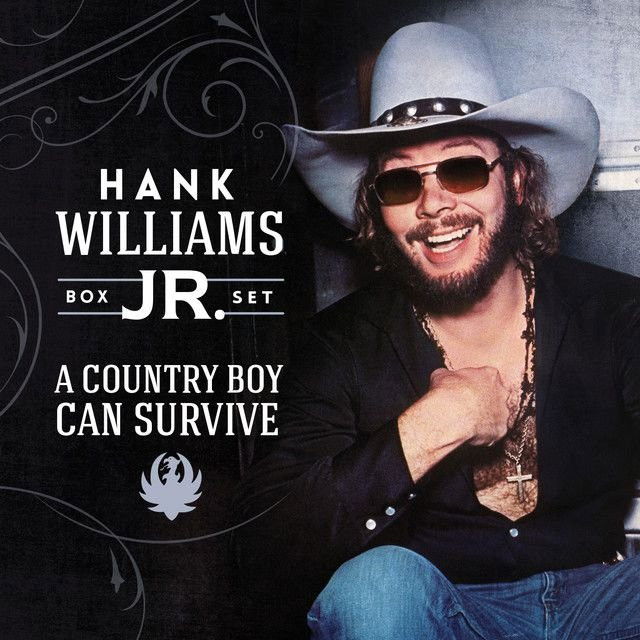
Why 'The Blues Man' Hits So Hard
The meaning of The Blues Man Hank Williams, Jr. comes through as both confession and gratitude. On the surface, the song tells a simple story: a hard-living performer falls apart, then survives because someone loves them enough to stay. But underneath that plot is a deeper idea about identity, inheritance, and the cost of being a public outlaw.
"The Blues Man" - Hank Williams, Jr.
Kind of a clinger to sad old songs
I'm not a walk behinder, I'm a new note finder
Loading lyrics...
Unable to load lyrics
We're unable to display the lyrics at this time. Please try again later.
Written by Hank Williams Jr., the song fits the biographical image they built in the late 1970s and early 1980s: rebellious, scarred, independent, and always measured against a famous father. In that sense, “The Blues Man” is not just about one romance. It is about a musician trying to stay human while carrying a myth.
The Heart of the Song: Rescue Without Pretending
At its core, the song is about a person who knows they have made a mess of their life. The narrator admits addiction, burnout, legal trouble, and emotional isolation. They do not ask the listener to excuse any of it. Instead, the song shows someone looking back with honesty and saying that love arrived when things were close to collapse.
That is why the line about being a sad old songs
singer matters. It frames the narrator as someone pulled toward sorrow by nature, not just by bad luck. Then the song sharpens that image with my name's a reminder
, which points to Hank Williams Sr. without needing to explain the whole family story.
Interpretation: the song suggests that the narrator feels trapped between individuality and legacy. They are a new note finder
, but the world still hears the past when they walk onstage.

Watch the official The Blues Man
music video
A Story Told in Stages of Collapse
The verses move almost like chapters. Each one adds another layer to the speaker’s history and explains why the chorus feels so comforting.
- First, they define themself as a born performer with a haunted last name.
- Next, they admit they started drinking and taking things that damaged their thinking.
- Then they describe life under the “hot lights,” where fame keeps going even as the person underneath starts to fail.
- Finally, they show how a partner lifts the burden rather than judging it.
This structure matters because the song never presents healing as magic. The narrator is not instantly cured. They are still a touring musician, still tired, still shaped by the road. What changes is that someone sees the person beneath the role.
Why the Chorus Feels So Tender
The chorus is the emotional center because it answers shame with acceptance. The partner tells the narrator they do not have to act tough or prove some version of masculinity. That idea is crucial in a song about country and blues mythology, where male artists are often expected to be rough, self-destructive, and proud of it.
The key phrase is macho man
. It sounds plain, but it cuts deep. The song pushes back against the idea that manhood means hiding pain. Instead, the partner offers warmth, rest, and emotional shelter.
You've wasted so much of your life
runnin' through the dark nights
Let me shine some love light
down on the blues man
Even here, the message is not sugarcoated. The partner admits there has been waste and darkness. But the answer is not punishment. It is compassion.
Artist Context Makes the Meaning Richer
Hank Williams Jr. spent years stepping out of the shadow of Hank Williams Sr., one of country music’s defining figures. That family context gives the song extra weight. When the narrator says their name is a reminder of someone gone, it sounds personal, not invented. Readers can see that broader story in the Rock & Roll Hall of Fame background on Hank Williams Sr.
The song also fits Jr.’s larger outlaw-era image: a star whose music mixed country pride, Southern grit, and hard-earned survival. That is why “The Blues Man” feels believable. It does not sound like a writer borrowing trouble for drama. It sounds lived in.
Later, the song gained even wider life through Alan Jackson's recording, which made its tenderness stand out for a new audience. That version helped confirm that the song’s core message is bigger than one artist’s autobiography.
How the Sound Carries the Message
Musically, “The Blues Man” is steady and unhurried. It leans on country instrumentation, but the title points to blues feeling more than strict blues form. The groove gives the singer room to confess without rushing. That space matters.
The arrangement supports the lyric in three ways:
- The tempo is calm, which makes the story sound reflective rather than wild.
- The instrumentation stays grounded, letting the vocal carry the pain.
- The chorus opens emotionally, matching the shift from self-destruction to comfort.
Their vocal delivery is especially important. Hank Jr. sounds rough around the edges, and that roughness becomes part of the meaning. A polished vocal would weaken the song. The grain in the voice makes the survival story believable.
Two Strong Readings of the Song
One reading is literal: this is a thank-you song to a partner who helped a musician survive addiction, burnout, and loneliness.
A second reading is broader. Interpretation: the “blues man” can stand for any artist whose public identity is built on pain. In that version, the song becomes about the difference between performing suffering and being cared for in private.
Both readings work because the writing stays direct. It uses simple images—lights, roads, nights, love light—to express big emotional ideas.
Why It Still Lasts
The meaning of The Blues Man Hank Williams, Jr. lasts because it mixes toughness with vulnerability. It speaks to fans of country, blues, and outlaw music, but its emotional point is universal: people can be most honest when they stop performing strength.
In the end, the song is not really celebrating damage. It is honoring the person who saw damage clearly and stayed anyway. That makes “The Blues Man” less a myth-making anthem than a humble admission that love may save people from the roles they think they have to play.
Disclaimer: This interpretation is based on the song’s lyrics, performance, and public artist context. As with any song, listeners may hear meanings that differ from this reading.








