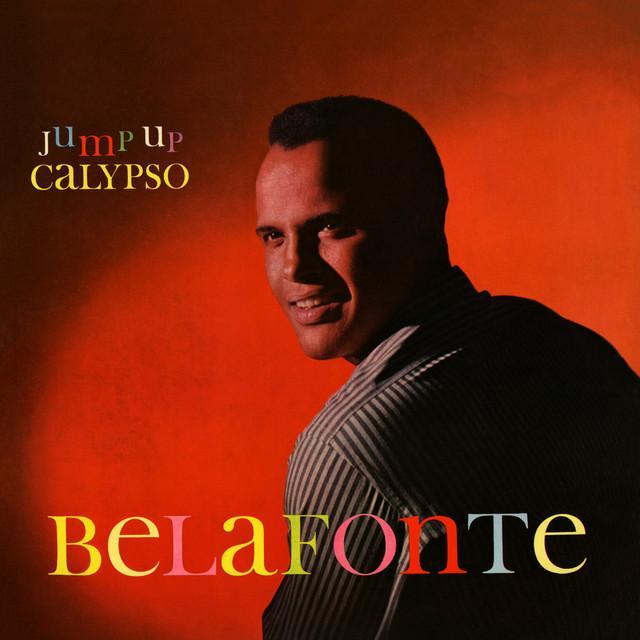
Jump in the Line by Harry Belafonte
The meaning of Jump in the Line Harry Belafonte comes down to one word: participation. It’s an open invitation to stop watching and start moving. In a few brisk commands and vivid images, the song turns a room into a dance floor, and a dance floor into a community.
"Jump in the Line" - Harry Belafonte
Shake your body line
Shake, shake, shake, señora
Loading lyrics...
Unable to load lyrics
We're unable to display the lyrics at this time. Please try again later.
A Joyous Call to Collective Motion
Belafonte’s version rides on direct imperatives—shake your body line
and work, work, work
—that treat dance as both effort and release. The language is simple so everyone can join; the point is not technique but togetherness.
Interpretation: By yoking “work” to dancing, the song flips labor into pleasure. It honors the sweat of the party, where movement is the job and joy is the wage.
Watch the official Jump in the Line
music video
Who’s Speaking—and Why Señora Matters
The narrator brags about a dancer named Señora, hyping her presence so others will follow. When he says Señora dances calypso
, he is locating her—and the crowd—inside a Caribbean form that prizes rhythm, wit, and community response.
Interpretation: Señora is more than a love interest. She is the spark who pulls strangers into a single groove. The singer’s role is part emcee, part admirer, guiding the room from watching to joining.
The Chorus as Social Invitation
The chorus is the song’s ritual: get in formation, move to the pulse, and trust the band.
Jump in the line, rock your body in time Ok, I believe you
Those lines function like a master of ceremonies handing off the mic to the crowd. The phrase jump in the line
is literal—form a line dance—and symbolic: step into a shared culture. When they rock your body in time
, they’re aligning with each other as much as with the beat.
Symbols, Jokes, and Exaggerations
Caribbean humor runs through the images. Playful boasts like rockets and riding metaphors turn dance into motion pictures. Hyperbole sells the feeling—when a groove hits, it can feel airborne. The jokes are joyful, not mocking; they build a carnival atmosphere where exaggeration is part of the fun.
Calypso Craft: How the Sound Moves You
Musically, this is classic calypso: brisk tempo, off‑beat accents, bright percussion, and call‑and‑response vocals. Horn stabs answer the melody while hand percussion and shakers push the syncopated groove forward. Belafonte’s warm baritone plays the host, encouraging the crowd without crowding the beat.
Interpretation: The arrangement models the meaning. The back-and-forth between lead and chorus mimics a dance circle where one person shines, then the group answers. The groove’s steadiness gives shy dancers a safe entry point; its propulsion rewards bold moves.
Culture, Credits, and a Long Afterlife
Belafonte recorded “Jump in the Line (Shake, Senora)” in 1960 and released it on November 17, 1961, on his album Jump Up Calypso. The track showcases the calypso style he helped popularize in the United States.
Song credits have a complex history. The composition traces to Trinidadian calypsonian Lord Kitchener (Aldwyn Roberts). Belafonte’s releases have also listed names such as Ralph De Leon, Gabriel Oller, Stephen Samuel, and his own pseudonym, Raymond Bell—reflecting how calypso recordings often combined adaptation, arrangement, and publishing practices across markets.
The song has had remarkable afterlives. It scores the exuberant final scene of the 1988 film Beetlejuice, imprinting the chorus on a new generation. Decades later, it resurfaced on social video platforms in 2019, proving its dance-floor DNA is evergreen. In the UK, Belafonte’s rendition has earned a Silver certification, another sign of its staying power.
Alternate Readings Worth Considering
- Interpretation: A Labor-to-Leisure Pivot. The recurring
work, work, work
reframes toil as self-directed effort. On the floor, work is chosen, collective, and fun—an antidote to the day job. - Interpretation: A Guide to Cultural Joining. The repeated cues—
jump in the line
,rock your body in time
—read like etiquette for entering a tradition: watch, align, then contribute.
Takeaway: A Party You’re Invited To
If “Day-O” made call-and-response feel universal, “Jump in the Line” turns joining into a single step. The song isn’t about showing off; it’s about showing up. That’s why it keeps coming back—on screen, online, and at every party that needs a spark.
Disclaimer: Meaning is interpretive and may vary by listener. This article blends documented context with critical interpretation.
Sources
- https://en.wikipedia.org/wiki/Jump_in_the_Line_(Shake,_Senora)
- https://en.wikipedia.org/wiki/Jump_Up_Calypso
- https://en.wikipedia.org/wiki/Lord_Kitchener_(calypsonian)
- https://www.rollingstone.com/pro/news/tiktok-2019-music-industry-911046/
- https://en.wikipedia.org/wiki/Beetlejuice
- https://www.bpi.co.uk/award/10807-4295-2







