Why 'Without You' Still Devastates
The meaning of Without You Harry Nilsson comes down to one painful idea: some breakups do not feel like endings at first. They feel like a collapse of the self. In Nilsson's hit version, the singer is not just sad. They are trapped in memory, regret, and emotional dependence.
"Without You" - Harry Nilsson
Or your face as you were leaving
But I guess that's just the way the story goes
Loading lyrics...
Unable to load lyrics
We're unable to display the lyrics at this time. Please try again later.
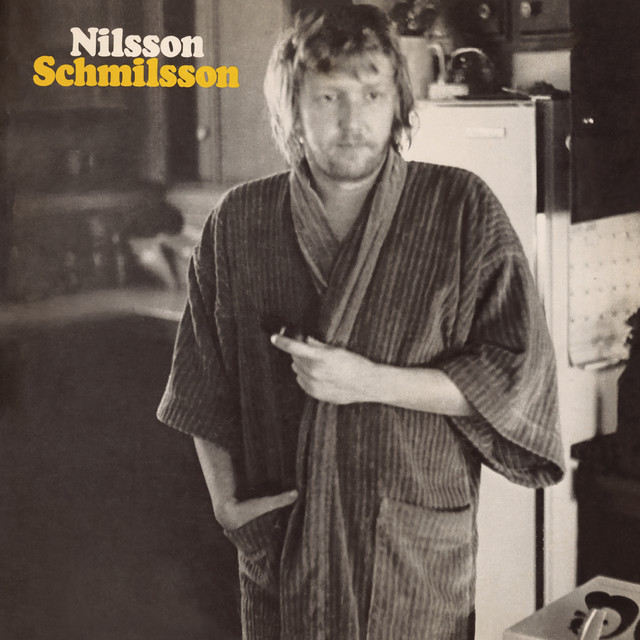
Though many listeners treat it as Nilsson's signature song, it was written by Pete Ham and Tom Evans of Badfinger and first appeared on Badfinger's 1970 album No Dice. Nilsson later transformed it into a massive 1971-72 hit on Nilsson Schmilsson, produced by Richard Perry. Research sources note that it reached No. 1 in both the US and UK and won Nilsson the 1973 Grammy for Best Pop Vocal Performance, Male.
A Breakup Song Built on Memory and Guilt
At its core, the song follows someone replaying a separation they cannot move past. The opening lines focus on a face, an evening, and the moment of departure. That matters because the song begins with memory before it moves into emotional collapse.
Short phrases like your face as you were leaving
and your sorrow shows
suggest that the singer noticed pain in the other person too. This is not a lyric about betrayal or anger. It is about recognizing hurt too late.
That regret grows in the second verse. When the singer admits I let you go
, the song shifts from sadness to responsibility. They are not only mourning loss; they believe they helped cause it.

Watch the official Without You
music video
The Chorus Turns Heartache Into Crisis
The reason the song became so famous is simple: the chorus says extreme feelings in very plain language. When the voice rises into I can't live
and without you
, the emotion becomes larger than the story details.
Interpretation: This does not have to mean literal death. More likely, it expresses how heartbreak can make ordinary life feel empty, unreal, or impossible. The singer cannot imagine identity, purpose, or love continuing after the breakup.
That is why the chorus works so well. The verses are specific and observant, but the hook is universal. Listeners may not share the exact story, yet many know the feeling of thinking life has lost its shape after someone leaves.
I can't live
if living is without you
Those lines are melodramatic on the page, but Nilsson's performance makes them believable. He sings them as if the feeling is arriving in real time, not as a polished summary.
Why Nilsson's Version Hits Harder
Badfinger's original is respected, but Nilsson's cover is the version that turned the song into a classic. According to research summaries from Songfacts and encyclopedia sources, Nilsson first heard Badfinger's recording in 1971 and decided to cut it for Nilsson Schmilsson. Producer Richard Perry pushed him toward a larger arrangement rather than the darker, more stripped-back approach Nilsson first imagined.
That choice changed the song's meaning in practice. The recording starts with space and restraint, then keeps expanding. Gary Wright's piano grounds the song, while the rhythm section gives it forward motion. Paul Buckmaster's strings and French horn arrangements add grandeur without making the emotion feel fake.
By the final chorus, the track sounds almost too big for the singer to contain. That is exactly the point. The production mirrors a person whose grief has exceeded normal speech.
The Vocal Performance as Meaning
Nilsson's voice is central to the song's message. He begins with softness and control, almost conversationally. Then he pushes upward into a near-shout, letting strain become part of the drama.
Interpretation: The famous high notes suggest that heartbreak is not neat or dignified. The singer is trying to hold themselves together, but the voice keeps revealing damage underneath.
This is one reason critics often describe the record as an early power ballad. It takes intimate pain and gives it orchestral scale.
How the Song's Origins Add Another Layer
The writing history also helps explain why the song feels so complete. Research on the composition says Ham brought the verse section and Evans brought the chorus idea, and the two pieces were merged into one song. That structure may be why the track feels split between reflection and emotional explosion.
The verses watch and remember. The chorus breaks open. Together, they create a believable arc from private regret to public devastation.
It also matters that the words are simple. There are no complicated images or clever twists. The song trusts plain speech, which makes it easy for listeners to enter.
Why the Meaning Still Connects Today
The meaning of Without You Harry Nilsson still resonates because it captures a common breakup truth: people often understand what someone meant only after they are gone. The song is about absence, but even more, it is about delayed understanding.
It also leaves room for more than one reading:
- Interpretation 1: a lover grieving a breakup they caused.
- Interpretation 2: a person realizing they depended too fully on one relationship.
- Interpretation 3: a universal portrait of grief, where love and loss blur together.
That openness helps explain the song's long life through many covers, including Mariah Carey's hit version decades later.
The Lasting Takeaway
In the end, "Without You" endures because it joins simple lyrics to overwhelming sound. It tells a small story of one goodbye, then blows that feeling up to life-or-death size.
For many listeners, that is the real power of the song: it understands how heartbreak can make the world feel suddenly unlivable, even when the only thing that changed is that one person is no longer there.
Disclaimer: This interpretation blends documented facts about the song's writing and recording with informed reading of its lyrics and performance. Meaning can vary from listener to listener.








