Why 'Saying Sorry' Still Hurts
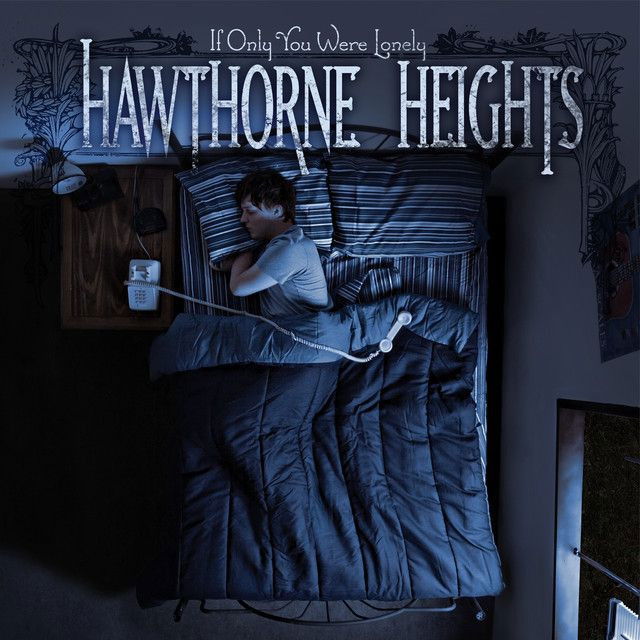
Hawthorne Heights built their name on emotional songs that mixed melody, tension, and heartbreak. That is exactly why the meaning of Saying Sorry Hawthorne Heights still connects with listeners. Released as the lead single from If Only You Were Lonely in 2006, the track showed the band leaning into a more polished but still wounded sound. According to available release data, it came out on May 22, 2006, was produced by David Bendeth, and reached No. 7 on the Billboard Alternative Songs chart.
"Saying Sorry" - Hawthorne Heights
You change the way I see them
These words will fade
Loading lyrics...
Unable to load lyrics
We're unable to display the lyrics at this time. Please try again later.
A Breakup Song About Distance, Not Drama
At the simplest level, "Saying Sorry" is about the final stage of a relationship. The speakers are not in a fiery fight. They are in that sad, quieter place where both people know the end is coming, but they still feel the weight of it.
The verses frame that emotional confusion well. Early lines suggest that one person changes how the other sees the world. When the song mentions these colors will not change
, it points to reality staying the same while feelings shift around it. Then the lyric about words fading suggests communication has broken down. The problem is not just pain; it is the failure to explain it.
Interpretation: This makes the song less about one big betrayal and more about emotional drift. They seem to care, but they no longer understand each other.
Watch the official Saying Sorry
music video
The Chorus Turns Regret Into the Main Idea
The chorus is where the meaning becomes clear. The repeated idea of saying goodbye this time
gives the breakup a feeling of history. This is not a sudden split. It feels like part of a pattern, almost a "same old story" of trying, hurting, and failing again.
Then comes the key emotional move: seeing the other person cry leads to feel like saying sorry
. That matters because the apology does not sound triumphant or healing. It sounds helpless. Sorry is not enough to repair the relationship, but it is still the most honest response left.
Interpretation: The song is powerful because it treats apology as recognition, not solution. They can admit the damage, yet still be unable to stop the ending.
Two People, One Room, No Real Connection
One of the saddest details in the song is how close the two people seem physically while feeling emotionally far apart. The repeated line about her being right here
but seeming distant captures that contrast. They are near each other, but they are not truly reaching each other.
That image fits a lot of breakup songs, but Hawthorne Heights make it feel especially immediate. The repetition in the verse mirrors a conversation that keeps looping. One person keeps stating what they needed. The other hears it, but the gap remains.
A Quick Timeline of the Song’s Story
- The song begins with altered perception and fading language.
- It moves into a scene where one person repeats their needs.
- The chorus accepts that goodbye is happening again.
- A bridge-like section admits they are falling apart.
- The ending circles back to apology, not closure.
That structure explains why the song feels trapped. It moves forward in time, but emotionally it keeps revisiting the same wound.
The Most Important Motifs in the Lyrics
Several small images carry a lot of weight.
Colors and words
The opening uses sensory images to show how relationships shape reality. Love can make the world feel different, and conflict can strip meaning away from language.
Counting down
When the song says just a few last hours
, it creates pressure. Time is running out. There is a brief chance to make the moment count, but the countdown also suggests they already know they cannot save it.
Falling apart and falling forward
This is one of the song’s smartest contrasts. The relationship is breaking down, yet time keeps moving. Even while they are losing each other, life pushes them onward.
Interpretation: That is why the song feels mature compared to a simple "please stay" anthem. It accepts that endings can happen even when feelings remain real.
How the Music Carries the Emotion
The meaning of Saying Sorry Hawthorne Heights is not only in the words. It is also in the sound. Hawthorne Heights were often grouped with emo, pop-punk, and post-hardcore in this period, and this single sits right at that crossover. The guitars are bright and clean enough for radio, but the drumming and vocal push keep the tension alive.
David Bendeth’s production helps the song land with clarity. The arrangement gives the chorus lift without making it feel too glossy. That matters because the song is about regret, not revenge. A messier performance might have made it angrier. Instead, the polished edges underline resignation.
JT Woodruff’s vocal also sells the song’s emotional middle ground. He does not sound detached, but he does not sound explosive either. The delivery keeps the focus on hurt, guilt, and emotional exhaustion.
Why It Connected in 2006
As the lead single from If Only You Were Lonely, the song arrived when Hawthorne Heights were moving from breakout act to established band. It followed the success of earlier singles while showing a softer, more melodic side. Its chart peak on Billboard’s Alternative Songs chart shows that listeners responded to that balance of catchiness and ache.
It also fits the band’s broader themes: romance, damage, longing, and the fear of losing connection. But compared with some of their best-known songs, "Saying Sorry" feels less theatrical. Its sadness is plainspoken, which may be why it still lands.
The Lasting Meaning of "Saying Sorry"
In the end, the song is about the moment when love is still present, but repair no longer seems possible. The apology matters because it proves they still care. It also hurts because caring is not enough.
That is the emotional core of the meaning of Saying Sorry Hawthorne Heights: two people can understand the damage too late, share the blame, and still have to let go.
Disclaimer: This interpretation is based on the released lyrics, the song’s performance, and publicly available background. As with most songs, listeners may hear different meanings in it.







