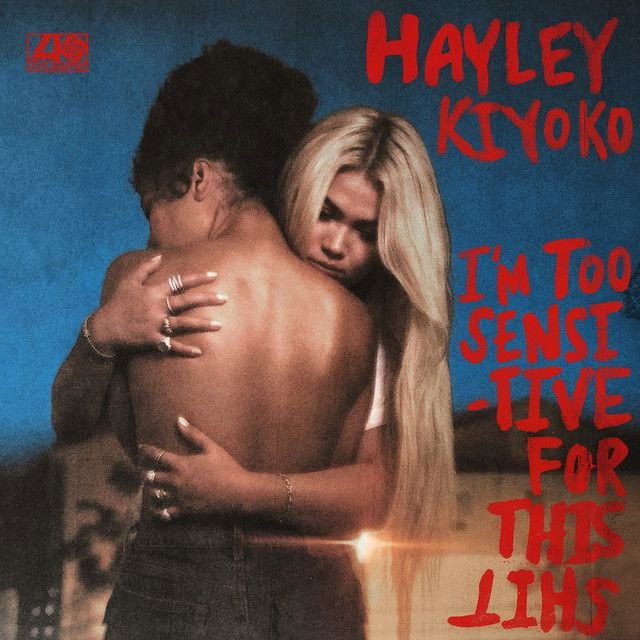
I Wish by Hayley Kiyoko
A lonely hook with a bigger ache
The meaning of I Wish Hayley Kiyoko comes down to a painful split between wanting love and feeling trapped in relationships that do not give it. The song sounds simple on the surface because its chorus repeats the same wish again and again. But that repetition is the point: they are not just asking for romance, they are admitting how worn down they feel by the lack of it.
"I Wish" - Hayley Kiyoko
I wish, I wish, I wish I found love
I don't know where we're gon' go from here, I don't
Loading lyrics...
Unable to load lyrics
We're unable to display the lyrics at this time. Please try again later.
In the verses, the speaker describes a partner who pulls away, ignores their needs, and gives attention elsewhere. The emotional center is not just heartbreak. It is frustration at being unseen. When they repeat I wish I found love
, it lands less like a fantasy and more like exhaustion.

Watch the official I Wish
music video
Where this song fits in Hayley Kiyoko's world
Hayley Kiyoko built much of their early pop identity around desire, confusion, and queer longing. On the album Expectations, critics noted how openly they captured queer female experience in pop. That wider context matters here.
Factually, “I Wish” appears on Expectations, released in 2018. Songwriting credits include Badriia Bourelly, Jason Evigan, and Patrick Morrissey. Even without explicit gender detail in every line, the song fits the album's larger emotional map: hoping for honesty, mutual love, and emotional safety.
Interpretation: In that context, “I Wish” feels like the aftermath of disappointment. Instead of chasing a crush, the speaker is taking inventory of what keeps going wrong.
The verses show conflict, not comfort
A relationship full of friction
The first verse lays out a pattern. They try to speak honestly, but the other person shuts down. They want to be heard, but they get resistance instead. Short phrases like speak my mind
and selfish with your affection
show the central imbalance.
That is important because the song does not present loneliness as random bad luck. It suggests loneliness can happen inside a relationship too. Even before the chorus mentions waking up alone, the verses already show emotional isolation.
Anger enters the picture
In the second verse, the hurt sharpens into betrayal. The imagery grows bigger and more dramatic, especially with lines about tears and stormy eyes. One of the song's most vivid phrases is storm in my iris
, which turns crying into weather. That image makes the pain feel constant and overwhelming.
The narrator also notices divided attention. The partner is not just distant; they are invested somewhere else. That is why the song moves from sadness to anger. Their pain is not abstract. It has a cause.
Why the chorus hurts so much
The chorus works because it is both broad and specific. Broadly, anybody can understand the desire to find love. Specifically, the song ties that wish to daily emptiness:
Wake up in the morning time
Nobody here by my side
Those lines are simple, but they do a lot. They move the song from argument to aftermath. After all the fighting, there is still the same empty morning. The real heartbreak is not just the breakup energy of the verses. It is the fear that no matter what happens, they will still end up alone.
Interpretation: The chorus may sound like they are asking for a new person, but it can also mean they are asking for a healthier version of love than the one they have known.
Sound and production: polished pop, raw feeling
“I Wish” uses sleek pop production to carry messy emotions. The beat is steady and accessible, while the vocal performance pushes the drama forward. That contrast matters. The cleaner the instrumental bed feels, the more the emotional cracks in the lyrics stand out.
Jason Evigan's songwriting background often leans toward hook-first pop, and that can be heard here. The repeated chorus is catchy enough to live in the head after one listen, but the verses keep adding tension. The song does not explode into a huge cathartic release. Instead, it circles its pain, which mirrors the narrator's mental loop.
Hayley Kiyoko's delivery also shapes meaning. They sing the hook with longing, but the verses have bite. That shift helps the listener hear two feelings at once: grief and resentment. A song about wanting love becomes a song about what failed love does to the voice.
Themes that connect the whole song
Three main themes hold the track together:
- Emotional neglect: the speaker keeps reaching for attention and honesty.
- Loneliness inside conflict: even when the relationship is active, it feels empty.
- Hope that refuses to die: despite anger, they still want real connection.
That final point is key. The bridge asks whether they will ever be loved and whether someone will finally appear. The question is desperate, but it is still a question, which means hope has not fully disappeared.
A fair alternate reading
One possible reading is that the song is not only about one failed partner. It may also be about a cycle. The repeated wish could suggest they keep ending up with people who cannot meet them emotionally.
Another reading is more inward. Interpretation: the song may partly reflect the speaker's fear that they are asking for too much, even though the verses suggest their needs are basic: honesty, attention, and care. That tension makes the song relatable. Many listeners know the feeling of wondering if they are difficult when they are really just under-loved.
Why “I Wish” still resonates
The reason this song connects is that it understands a hard truth: sometimes the deepest loneliness comes from almost-love. Not from never having someone, but from having someone who will not fully show up.
That is the lasting meaning of I Wish Hayley Kiyoko. It is a pop song about wishing for romance, but more deeply, it is about grieving the gap between affection and real love. It gives that gap a beat, a hook, and a voice.
Disclaimer: This interpretation is based on the released lyrics, credited song context, and publicly available information. As with any song, listeners may hear meanings that differ from the artist's private intent.









