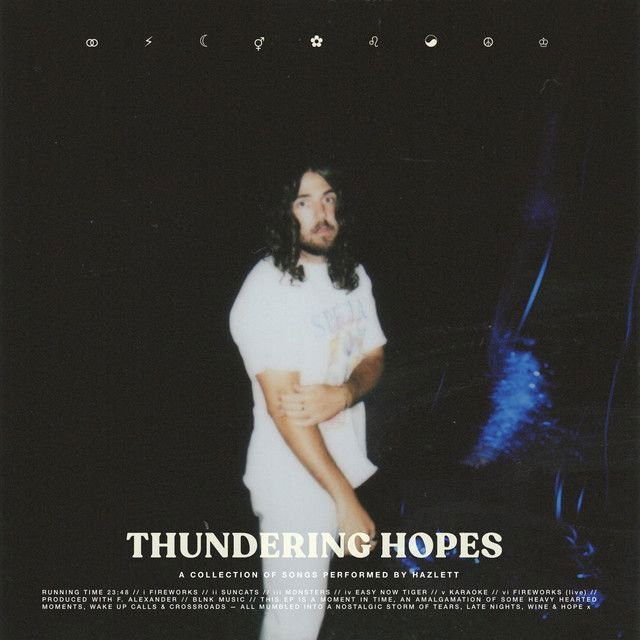
Karaoke by Hazlett: A Night Out, A Reality Check
The meaning of Karaoke Hazlett becomes clearer once they stop hearing it as just a bar-song snapshot. On the surface, it is about a late night of singing, drinking, and reckless charm. Underneath, it is about caretaking, imbalance, and the uneasy question of whether a connection can survive once the fun burns off.
"Karaoke" - Hazlett
So we'll go sing karaoke
Charming and a fool
Loading lyrics...
Unable to load lyrics
We're unable to display the lyrics at this time. Please try again later.
Hazlett is known for intimate indie-folk writing and a soft, conversational style, shaped by a career that moved from Australia to Sweden and into a more reflective singer-songwriter lane, as noted on the artist’s official channels and label materials. Those broad facts help because this song does not chase drama in a big pop way. It finds meaning in details, awkwardness, and what people reveal when they are tired or drunk. The song is credited to Hazlett and Freddy Alexander, according to the provided writing credits.
What the Song Is Really Holding Together
At its core, the track follows one unruly night that slowly turns into an emotional test. Early lines sketch a person who is magnetic but immature, someone close to curfew yet ready to keep the night going. The phrase sing karaoke
is not just an activity. It stands for being loud, public, and briefly fearless.
Then the song begins to peel back that glow. The person being addressed is appealing but unstable, introduced as charming and a fool
. That pairing matters. It suggests that attraction and frustration arrive together, which gives the song its emotional push.
Interpretation: The meaning of Karaoke Hazlett is less about romance at its sweetest than romance under stress. They seem drawn to someone who lights up a room, but they also see the cost of that energy.
Watch the official Karaoke
music video
A Story Told in Small, Sharp Scenes
Hazlett writes in snapshots rather than full explanations. That makes the song feel cinematic.
The night starts as performance
The opening scenes are social and playful. There is a curfew, a crowded room, and a person who knows how to command attention. Even the Springsteen reference points to performance and mythmaking. The other person will not let anyone be the hero; they want the spotlight too.
The middle shifts into care
The song’s emotional center arrives with the image tuck you under
and then taking someone home. Instead of staying in the thrill of the bar, the speaker moves into a caretaker role. They are no longer just watching someone shine; they are cleaning up after the shine fades.
The ending asks a harder question
That shift leads to the song’s key thought: make it on our own
. This line reframes everything before it. What seemed like a fun memory becomes a quiet doubt about whether this bond has real balance, maturity, or future.
The Chorus Turns Affection Into Doubt
The repeated protective language is warm, but it is not simple. To take someone under a wing sounds loving, yet it also implies uneven power. One person is being held together while the other does the holding.
My wing and try to take you home
If we can make it on our own
Those two short ideas do most of the song’s heavy lifting. First comes rescue, then uncertainty. In plain terms, they can care for this person deeply and still wonder if the relationship is sustainable.
Interpretation: The chorus suggests that tenderness alone may not be enough. Love can be real and still feel lopsided.
Images That Explain the Relationship
Several details sharpen the song’s emotional message.
Stand up on the bar
shows impulsiveness and showmanship.- The sour car ride brings consequences after the glamour fades.
- Holding someone’s hair is a vivid act of care, not fantasy.
Riding coattails for free
hints at dependency or drifting without ownership.
These are not random party details. They build a pattern: one person performs freedom, while the other absorbs the fallout.
The rooster image is stranger and more open-ended. It may suggest noisy bravado, a comic attempt to impress, or the awkwardness of a person trying too hard to become unforgettable. Hazlett leaves it rough around the edges, which fits the song’s lived-in style.
How the Sound Supports the Meaning
Even without heavy production notes, the song’s likely indie-folk framing matters. Hazlett often leans on understated arrangements, close vocals, and a warm, unhurried atmosphere across their catalog. That kind of sound supports the song’s meaning because it lets embarrassment and affection sit in the same space.
A louder or slicker production might turn “Karaoke” into a drinking anthem. Instead, the softer presentation makes the night feel remembered rather than celebrated. The vocal style sounds less like a victory lap and more like someone replaying events the next day, trying to decide what they mean.
Two Strong Readings of the Song
Reading one: a messy love story
This is the most direct reading. Two people are out together, one gets wild, and the other steps in with real care. The song asks whether attraction can grow into something stable.
Reading two: a pattern of emotional over-functioning
There is another layer too. Interpretation: the speaker may be stuck in a familiar role, drawn to chaotic people because caretaking gives them purpose. In this reading, the song is not only about this one night. It is about a repeating dynamic they are beginning to recognize.
Why the Song Lingers
The meaning of Karaoke Hazlett lands because it does not judge either person too harshly. It sees how charm can become burden, how intimacy can look like cleanup, and how one funny night can expose a whole relationship pattern.
That is why the song sticks. It starts with neon energy and ends with a grown-up question. They can laugh at the scene, feel for the people in it, and still hear the warning underneath.
Disclaimer: This interpretation is based on the lyrics provided and publicly known artist context. As with any song, meaning can remain open to the listener’s own reading.








