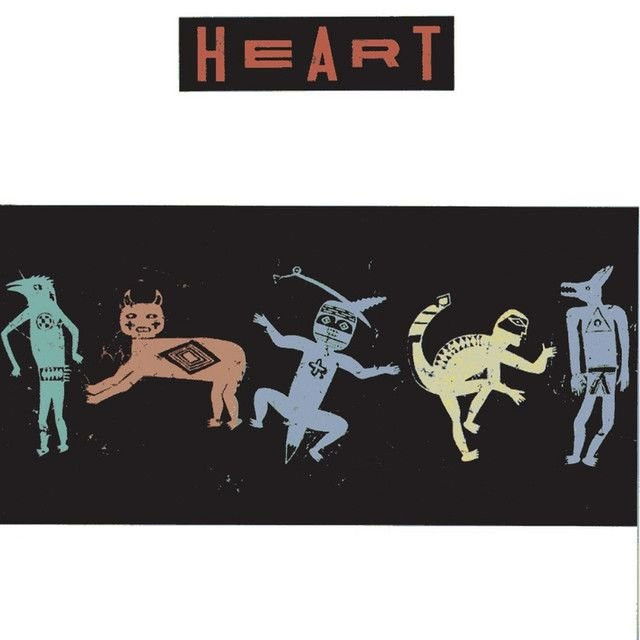
Who Will You Run To by Heart
A breakup song with a sting in its tail
The meaning of Who Will You Run To Heart starts with a simple setup: one person is leaving, and the other answers with wounded confidence. This is not a plea to stay. It is a challenge.
"Who Will You Run To" - Heart
But you sure don't want me in it
Yeah you're sure the life you're living with me
Loading lyrics...
Unable to load lyrics
We're unable to display the lyrics at this time. Please try again later.
The speaker tells an ex that freedom may look exciting now, but real life can feel much colder once the rush fades. That is why the chorus hits so hard. Instead of saying “I still need you,” the song flips the power and asks who will be there when everything collapses.
Factually, “Who Will You Run To” was written by Diane Warren and recorded by Heart for their 1987 album Bad Animals. It was released as a single in August 1987 and reached No. 7 on the U.S. Hot 100, becoming another major hit in Heart’s late-1980s run. It was produced by Ron Nevison and Heart, and Cash Box called it a brief but useful phrase, a powerful melodic rocker
.

Watch the official Who Will You Run To
music video
The speaker’s real message
At the lyric level, the song is direct. The ex believes they have found something better, a new world
they want to try. The speaker does not deny that temptation. Instead, they warn that excitement can turn into loneliness.
That is the emotional engine of the song. The verses describe someone walking away with confidence, while the chorus predicts regret. Phrases like turn cold
and falls down
make the future sound harsh and unstable.
Interpretation: The song is not only about heartbreak. It is also about pride. The abandoned person is hurt, but they protect themselves by imagining that the ex will come back emotionally, if not literally.
Why the chorus matters so much
The chorus is the whole argument in one burst. It keeps asking versions of the same question: when the dream fails, who will comfort you? The key line, Who will you run to
, is less romantic than it first appears.
It sounds loving on the surface, but it also carries accusation. The speaker is saying, in effect, “You are underestimating what I gave you.” That makes the song more complicated than a standard love ballad.
Who will you run to when it all falls downWho’s gonna pick your world up
Those lines capture the song’s two big themes:
- emotional dependence
- the fear that independence may be an illusion
The ex thinks leaving proves strength. The singer argues that real strength is knowing who truly cares.
Verse by verse: how the story unfolds
The first verse opens with uncertainty. The departing person does not know what they want from life, but they do know they want out of this relationship. That detail matters because it paints the breakup as impulsive, not thoughtful.
The next idea is temptation. There is someone else waiting, and the future feels new and immediate. This gives the song its sense of urgency.
In the second verse, the speaker shifts from observing to predicting. They say the other person has never really been alone and may not understand what life without support feels like. The argument becomes sharper here, almost parental in tone.
Interpretation: Some listeners hear this as caring concern. Others hear control or bitterness. Both readings fit, and that tension is part of what makes the song memorable.
Heart’s performance changes the meaning
On paper, these lyrics could read as harsh. Heart’s performance gives them emotion instead of simple cruelty. Ann Wilson sings with force, but also with ache. That balance keeps the song from sounding smug.
The production matters too. This is polished 1980s arena rock: big drums, bright guitars, thick keyboards, and a chorus built to fill a stadium. The arrangement rises with every return to the hook, making the warning feel larger each time.
That scale changes how the meaning lands. A private breakup becomes public drama. The song turns one person’s wounded speech into an anthem of defiance.
This also fits Heart’s 1980s era, when outside writers and glossy production helped push the band deep into mainstream pop-rock. “Who Will You Run To” followed “Alone” and kept that momentum going; according to Billboard chart history, it became Heart’s eighth U.S. top-10 single.
Diane Warren’s writing style in this song
Diane Warren is known for building songs around a strong emotional hook, and this track is a clear example. The title question is simple, repeatable, and easy to feel right away.
What makes it effective is contrast. The verses talk about choice, freedom, and a thrilling unknown. The chorus answers with tears, collapse, and the need for comfort. That clash gives the song its dramatic shape.
There is also a smart reversal here. Many breakup songs ask, “Why did you leave?” This one asks what happens after leaving. That forward-looking angle makes the song feel more forceful than passive.
A song about love, ego, or both?
The best way to understand the meaning of Who Will You Run To Heart is to accept that it works on two levels at once.
On one level, it is a sincere claim: nobody will love this person as deeply as the speaker did. On another, it is a defense mechanism. By predicting the ex’s failure, the speaker softens their own pain.
That dual meaning explains why the song still connects. Many people do not experience breakups as pure sadness. They feel anger, self-protection, jealousy, and lingering love all at once. This song captures that mix.
Why it still resonates
The song lasts because its central fear is timeless: being replaced, then wondering whether the other person will realize your value too late. Heart packages that fear in a huge, radio-ready rock sound, which makes the emotion feel immediate even decades later.
In the end, the song is less about reunion than about validation. The speaker wants to believe the love they gave was real, rare, and impossible to replace.
Disclaimer: This interpretation is based on the recorded lyrics, performance, and available release context. As with most songs, listeners may hear different meanings in the same words.








