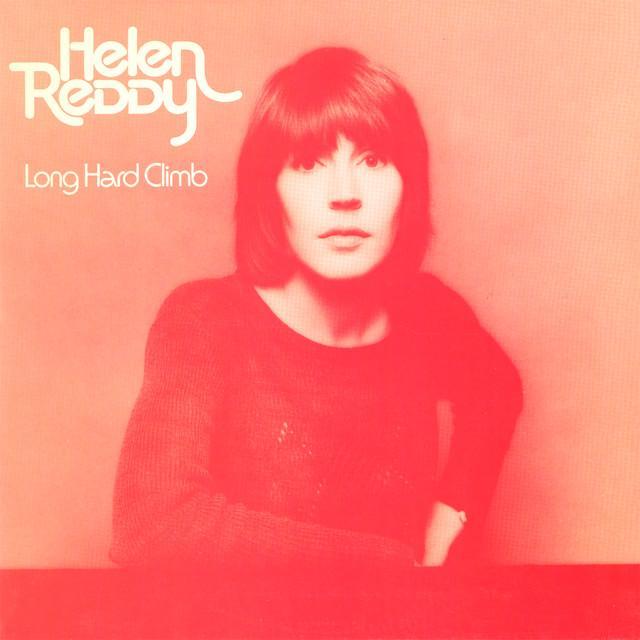
Delta Dawn by Helen Reddy
The meaning of Delta Dawn Helen Reddy comes down to a sad, vivid portrait: a woman stuck between memory and fantasy, still waiting for a promise that probably died years ago. Helen Reddy did not write the song, but their hit version gave it a bright pop surface that makes the story hit even harder.
"Delta Dawn" - Helen Reddy
Could it be a faded rose from days gone by?
And did I hear you say he was ameetin' you here today
Loading lyrics...
Unable to load lyrics
We're unable to display the lyrics at this time. Please try again later.
Written by Alex Harvey and Larry Collins, the song had earlier recordings before Reddy's 1973 version reached No. 1 on the Billboard Hot 100. It became one of their defining hits and helped turn a country-leaning story song into a mainstream pop classic.
A Woman Frozen in the Past
At the center of the song is a woman the town watches from a distance. The lyric describes her at forty-one, still called a child by her father, and still carrying signs of an earlier romance. People in town think they know her story, but the song never fully confirms it. That restraint matters.
The key idea is that Delta Dawn has not moved on. She walks around with a suitcase, waiting for a dark-haired man who once said he would marry her. The repeated questions in the chorus do not comfort her. They sound like a community trying to make sense of a life that has slipped away.
Short phrases like faded rose
, suitcase in her hand
, and mysterious dark-haired man
sketch a whole emotional world. They point to lost youth, unfinished travel, and a dream lover who may be real only in memory.
Watch the official Delta Dawn
music video
How the Story Builds Its Tragedy
The verses move like gossip, but the emotion is deeper than gossip. First, the song says she was once the most beautiful woman around. Then it introduces a man who promised marriage. After that, it cuts to the present, where she is still waiting.
That structure matters because it shows decline without ever becoming cruel. Delta Dawn is not mocked by the song itself. The townspeople may call her strange, but the writing frames her as heartbreaking, not ridiculous.
Interpretation: many listeners hear the song as a portrait of delusion caused by abandonment. That reading fits the evidence. But it is also possible to hear it as a broader story about how communities label women who refuse to let go of grief.
What the Chorus Really Means
The chorus is built as a set of questions. That makes it sound less like a confession and more like an outside voice trying to reach her. The phrase days gone by
turns the flower into a symbol of memory, while mansion in the sky
opens the song to more than one meaning.
Interpretation: that last image can suggest two things at once:
- a fairy-tale rescue she still believes in
- a spiritual afterlife, meaning she may be waiting for death as much as for love
That double meaning is why the chorus lingers. It is not just about romance. It is about escape.
What's that flower you have on?
Could it be a faded rose
Those lines focus on an object, but they really point to a life built around old hope.
The Symbols That Carry the Song
Several images do almost all the heavy lifting.
The flower
The flower suggests a keepsake from the past, something once alive that has dried out but is still being worn. It becomes proof that Delta Dawn lives inside an old promise.
The suitcase
The suitcase is one of the song's strongest details. It suggests she is always ready to leave, yet never actually goes anywhere. Alex Harvey later said the song drew from his mother, who lived as if she had a suitcase in her hand but nowhere to put it down. That comment gives the image a deeply personal source.
Brownsville and the town voice
The place name makes the story feel local and public. Everybody seems to know Delta Dawn, which turns private pain into public spectacle.
Why Helen Reddy's Version Feels Different
Helen Reddy's recording is pop, but it keeps the song's sadness intact. Compared with the better-known country framing of Tanya Tucker's early hit, Reddy's version smooths the edges and leans into sweep, momentum, and polish. Research on the song's recording history notes that Reddy's single, produced by Tom Catalano and Helen Reddy, added a more continuous vocal flow and upward lift in the arrangement.
That matters to the meaning. The brighter production creates tension with the dark story. Listeners hear a radio-friendly hit, then realize it is about a woman drifting further into longing. The contrast makes the song more haunting, not less.
Reddy's controlled delivery also avoids exaggeration. They sing Delta Dawn with empathy, which keeps the character human.
The Real-Life Backstory Behind the Lyrics
One important fact shapes many readings of the song: Alex Harvey said he wrote it with his mother in mind. He described her as someone from the Mississippi Delta who always seemed emotionally unsettled, and he later called the song both an apology and a gift to her.
That background does not turn Delta Dawn into a literal biography. But it does suggest the song comes from guilt, tenderness, and observation rather than simple melodrama. It helps explain why the song feels compassionate even when the lyrics show a woman others dismiss.
Why the Song Still Connects
The meaning of Delta Dawn Helen Reddy still resonates because the song understands something painful: people do not always live in the present. Sometimes they survive by carrying an old version of the future.
Whether listeners hear Delta Dawn as heartbroken, deluded, lonely, or spiritually lost, the song leaves room for compassion. That openness is the reason it has lasted through so many versions.
Disclaimer: This interpretation mixes documented facts with informed reading of the lyrics and performance. Some meanings remain ambiguous by design.







