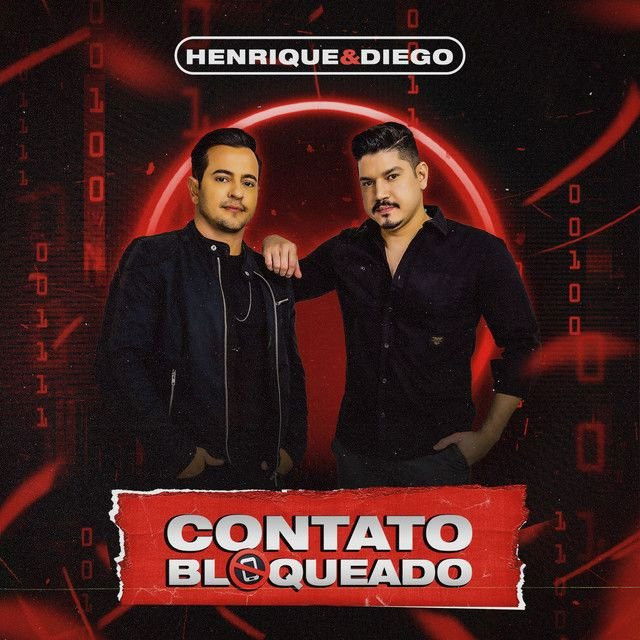
Why 'Contato Bloqueado' Hits So Hard
The meaning of Contato Bloqueado Henrique & Diego comes down to a simple but sharp idea: heartbreak can turn into performance. In this song, they present a narrator who acts tough after feeling reduced, replaced, or emotionally misread. Blocking someone is not just a phone action here. It is a way of saying, “They no longer get access.”
"Contato Bloqueado" - Henrique & Diego
Embrulhei pra te entregar aí
Um bilhete escrito 'tanto faz'
Loading lyrics...
Unable to load lyrics
We're unable to display the lyrics at this time. Please try again later.
Henrique & Diego are known in Brazilian sertanejo for songs that mix romantic pain with catchy, easy-to-sing hooks. That matters because “Contato Bloqueado” works in exactly that lane: it sounds playful enough for a crowd, but the feeling underneath is bruised.
The Core Wound Beneath the Hook
At its heart, the song is about someone trying to regain control after a relationship left them feeling small. Early lines describe missing the other person, then wrapping that feeling up in fake indifference. The note that says tanto faz
and the signature não 'to nem aí
are clearly defensive.
In plain English, the narrator does care. They care enough to stage a whole message about not caring. That contradiction is the emotional engine of the song.
Interpretation: this is less a clean revenge anthem than a portrait of wounded pride. The narrator wants the ex to feel the same sting they felt. That impulse drives the chorus.

Watch the official Contato Bloqueado
music video
A Relationship That Never Matched
One of the song’s strongest ideas is imbalance. The narrator admits imperfection, but insists they were not a bad partner. Then comes the key shift: they seem to realize they were valued more for chemistry than commitment.
That is why the line about fitting well in the other person’s bed matters. It suggests a relationship that may have looked romantic on the surface but was emotionally uneven underneath. When the song contrasts forever-love with being just a late-night type, it exposes the real hurt: one person saw possibility, the other saw convenience.
Who Is Speaking to Whom?
The voice is first-person and direct, aimed at an ex-partner. The narrator does not speak like someone processing calmly. They sound like someone replaying the past and building a response in real time.
That direct address gives the song its bite. It is not abstract sadness. It is targeted sadness.
Why the Chorus Lands Like a Threat
The chorus pivots from sadness to retaliation. The narrator warns the ex to hope they never switch places, because the pain would come back doubled. Then the title phrase contato bloqueado
becomes the final move.
Paraphrased, the message is this: if thinking about the past already hurts, wait until the door is fully shut. That is what makes the block feel like veneno envenenado
—poison answering poison.
Interpretation: the block is not only punishment for the ex. It is also self-protection for the narrator. They cannot keep longing for someone while pretending they are fine. Cutting contact becomes the only action that matches the emotional chaos.
Small Images, Big Meaning
The song uses everyday language instead of heavy symbolism, but several motifs do real work:
- The note: a fake casual goodbye that hides real pain.
- The bed: a sign of intimacy without equal commitment.
- The madrugada image: being a night-only figure, not a full partner.
- The blocked contact: digital silence as emotional power.
These images make the song modern and relatable. In many breakup songs, distance is physical. Here, distance is one tap on a phone screen. That tiny gesture carries the full drama of rejection, pride, and self-defense.
How the Sound Supports the Meaning
Even without needing full production credits, the song fits the polished, radio-friendly sertanejo style Henrique & Diego are associated with. That usually means a strong chorus, rhythmic lift, and vocals that balance ache with swagger. Those choices matter.
The repeated vocal sections and chant-like hook make the threat sound communal, almost celebratory. That is important because the narrator’s pain gets reframed as something singable. Instead of quietly grieving, they turn the breakup into a public statement.
Interpretation: this contrast between hurt lyrics and catchy delivery is part of why the song works. Listeners can dance to it and still feel the bruise inside it.
Why It Feels So Familiar
Part of the meaning of Contato Bloqueado Henrique & Diego is how accurately it captures a common breakup script. Many people do not move straight from love to peace. They move from longing to sarcasm, from sadness to performative strength.
The opening idea of Sabe aquela falta
shows that absence comes first. The anger comes second. The song understands that revenge fantasies often grow out of humiliation, not confidence.
That emotional sequence is why the lyric stays with people. It does not describe mature closure. It describes the messy middle, when someone still misses the other person but wants to win the breakup anyway.
A Fair Reading of the Narrator
There are at least two ways to hear this song:
- Revenge reading: the narrator wants the ex to suffer and enjoys imagining that shock.
- Defense reading: the narrator is bluffing toughness because they are still deeply hurt.
Both readings fit the lyric. The repeated insistence on not caring sounds too rehearsed to be fully true. That makes the song more human than a simple payback anthem.
tanto faz
não 'to nem aí
Those brief phrases say one thing on the surface, but the whole song argues the opposite.
Final Take on the Song’s Message
“Contato Bloqueado” is about trying to turn heartbreak into control. Henrique & Diego frame blocking an ex as both revenge and rescue: a way to wound the other person, but also a way to stop reopening their own wound.
That mix of pain, ego, and catchy release is what gives the song its staying power. It is not a love song and not quite a healing song. It lives in the unstable space between missing someone and refusing to let them know.
Disclaimer: This interpretation is based on the lyrics provided and public artist context. Song meaning can remain open, and different listeners may hear different emotional shades in the same lines.








