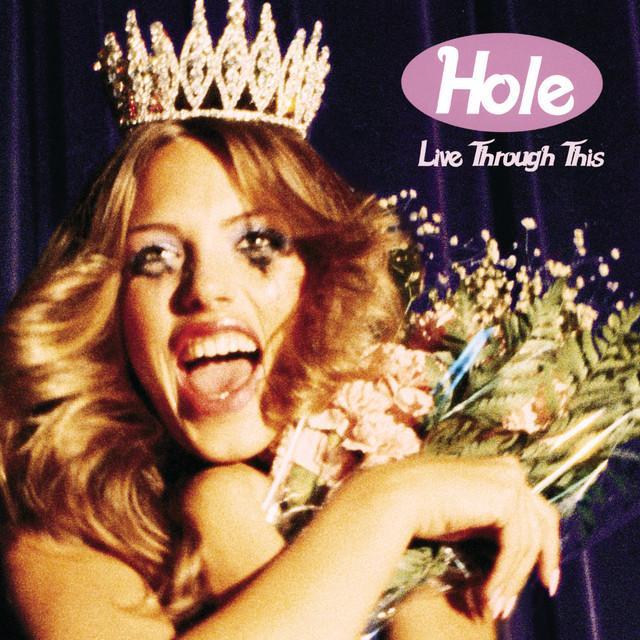
Asking For It by Hole
Why This Song Still Feels So Sharp
The meaning of Asking For It Hole comes through fast: this is a song about victim-blaming, public violation, and the cruel way people question women instead of questioning harm. On Hole's 1994 album Live Through This, the track turns a loaded phrase into an accusation aimed back at society.
"Asking For It" - Hole
I feel a little bit cheaper than I need to
I will tear the petals off of you
Loading lyrics...
Unable to load lyrics
We're unable to display the lyrics at this time. Please try again later.
Factually, the song appears on Live Through This and was written by Courtney Love and Eric Erlandson. It was produced by Paul Q. Kolderie and Sean Slade. It also became one of the better-known deep cuts from the album, even reaching No. 36 on Billboard's Modern Rock Tracks chart.
What makes the song last is not just its subject. It is the way Hole mixes raw pain, sarcasm, and melody. They do not present a neat lesson. They present a wound and force listeners to look at the language wrapped around it.
Watch the official Asking For It
music video
The Core Meaning Beneath the Chorus
At the center of the song is the repeated question Was she asking for it?
On the surface, it sounds like something a suspicious observer might say. In context, though, the line exposes how ugly that question is.
The chorus keeps pushing the same thought with Did she ask you twice?
That follow-up sounds almost absurd, and that is the point. The song shows how people keep demanding proof, politeness, or perfect victim behavior before they offer empathy.
Interpretation: rather than asking whether harm happened, the chorus shows a culture trying to make the harmed person defend herself. That makes the song less like a confession and more like a bitter cross-examination of public attitudes.
Where the Song Came From
The song's meaning is tied to a real incident Courtney Love later described in a brief 1995 interview. She said the track grew from a 1991 stage-diving experience in Glasgow where audience members assaulted her. Her later reflection reportedly centered on a disturbing thought: if she was smiling in a photo while it happened, would people say she wanted it?
That context matters because it explains why the song is not abstract. It comes from the collision between performance, sexuality, and public ownership of women's bodies. The title phrase is not casual. It is the exact kind of social script the song wants to tear apart.
Still, the lyrics do more than retell one event. They widen that experience into a larger feminist statement about how women are watched, judged, and consumed.
Verse Images: Shame, Performance, and Exposure
The opening lines describe emotional self-bargaining. When the narrator says I sell myself to you
, the idea is not simple romance. It feels like they are talking about being consumed by an audience, a partner, or a culture that turns women into products.
Another phrase, I feel a little bit cheaper
, makes that loss feel immediate. The speaker sounds aware of the transaction even while trapped inside it. Shame and anger sit side by side.
Then the imagery gets stranger and more theatrical. References to staring into the sun and a dress coming undone suggest exposure so intense it becomes almost surreal. The line Be a model or just look like one
points toward image-making: the pressure to perform femininity, desirability, and cool detachment even while something damaging is happening.
Interpretation: these verses connect personal violation to the public performance of womanhood. The narrator is not only hurt; they are also being looked at, styled, and misread.
The Bridge Turns Pain Into Loyalty and Doom
The emotional center may be the brief bridge, where the song suddenly shifts from accusation to desperate attachment:
If you live through this with me
I swear that I would die for you
Paraphrased, the idea is survival through shared damage. It sounds intimate, but it is not comforting. The promise is so extreme that it feels unstable, almost like a vow made in the middle of chaos.
This moment also links the song to the album title Live Through This. Survival is the standard, not healing. In Hole's world, making it through the event is already a huge ask.
How the Sound Carries the Message
Musically, "Asking for It" is less explosive than some of Hole's hardest songs, and that choice matters. Reports on the recording note a bass-led opening, Erlandson's drop-D guitar part, and a slower, more melodic build than the album's early bursts of rage.
That arrangement creates tension. The song sounds catchy enough to pull a listener in, but there is distance in the mix and heaviness in the delivery. The drums do not race; they drag the weight forward. The guitars feel bruised rather than flashy.
There is also a faint layer of additional voices in the studio version, including low-in-the-mix backing vocals from Kurt Cobain. That detail has drawn attention over the years, but it should not distract from the song's center. The real force comes from how Love sings the repeated questions with contempt, exhaustion, and disbelief all at once.
Two Strong Readings of the Song
There are at least two useful ways to hear the track:
- Social critique. The song attacks rape myths and the idea that clothing, behavior, fame, or sexuality can count as consent.
- Self-portrait under pressure. The song captures what it feels like to internalize those accusations and hear them echo inside one's own head.
Both readings fit the lyrics. The song moves between external voices and internal damage so quickly that the listener can feel both at once.
Why “Asking for It” Endures
The meaning of Asking For It Hole remains powerful because the song names a pattern that still exists. It shows how a violent question can hide inside everyday language and how repeated doubt can wound someone all over again.
Hole gave that idea a sound that is melodic, harsh, and unforgettable. They turned a phrase often used to excuse harm into evidence of how broken that excuse really is.
That is why the song still lands so hard today.
Disclaimer: This article offers informed interpretation based on the song, documented context, and public sources. Meaning can remain open to listeners' own readings.








