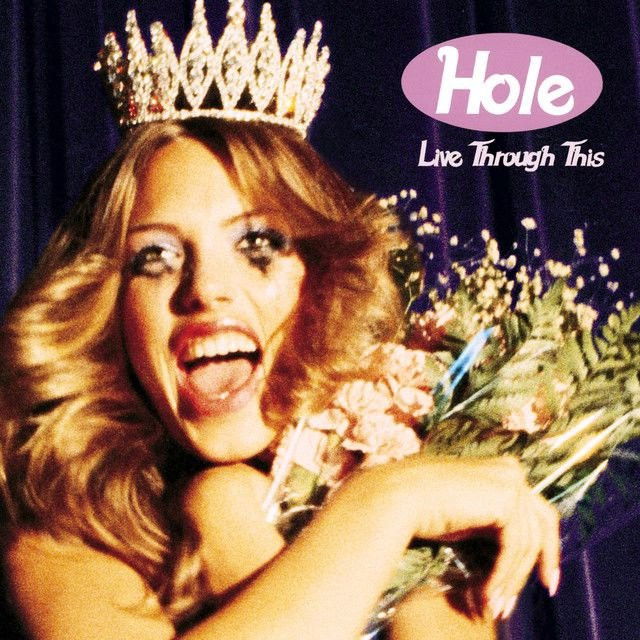
Credit In The Straight World by Hole
A cover that sounds like a confession
The meaning of Credit In The Straight World Hole starts with a simple twist: this is not a Hole original, but it feels like one anyway. The song was written by Stuart Moxham of Young Marble Giants and appears as track seven on Hole’s 1994 album Live Through This. In Hole’s hands, the song stops sounding cool and distant and starts sounding bruised, desperate, and angry.
"Credit In The Straight World" - Hole
Your highness, I'm so high I cannot walk
And I will awake
Loading lyrics...
Unable to load lyrics
We're unable to display the lyrics at this time. Please try again later.
That matters because Live Through This is full of songs about pain, exposure, gender pressure, and survival. So even though this track began elsewhere, Hole places it inside an album where hurt is never abstract. It becomes part of the same emotional landscape.

Watch the official Credit In The Straight World
music video
What the song is really saying
At its core, the song is about trying to gain value in a world built on rules that may already be corrupt. The repeated push to go for credit
sounds like advice at first. But as the song unfolds, that advice becomes bitter and ironic.
The so-called straight world looks respectable, stable, and adult. Yet the lyrics suggest that this world rewards damage, empties people out, and treats survival like a transaction. The line about credit in the straight world
is not really praise. It sounds more like a warning.
Interpretation: Hole’s version frames “credit” as both social approval and emotional debt. A person can win acceptance, money, or status, but still lose something essential inside themselves.
The verses paint a body under pressure
The opening lines are surreal, but they are not random. They move through states of weakness, dependency, and emotional numbness. Phrases like I cannot walk
and references to lost time, peace, and empathy make the speaker sound physically and mentally drained.
Then the song turns to images of babies, unborn love, and bodily decay. Those details connect strongly to Live Through This, an album often linked to themes of motherhood, injury, and female vulnerability. Hole did not write those lyrics, but their placement on this record changes how they land.
Interpretation: In Hole’s setting, the song can feel like a portrait of someone being asked to function in public while privately falling apart. The body imagery makes social pressure feel physical, not just emotional.
Why the chorus hits so hard
The chorus works because it keeps repeating the same challenge, but each return sounds darker. The command to look a dealer in the eye
suggests a bargain. Someone is being told to face power directly and play the game.
But the payoff is grim. The repeated losses—especially I lost a leg
—make success sound mutilating. The song’s logic is cruel: yes, a person can get “credit,” but the cost may be dignity, wholeness, or even life.
Leave your money when you die
Lots of creditin the real world gets you high
That brief section exposes the song’s deepest sarcasm. Money and status promise control, yet they end up tied to emptiness, addiction, and death. The reward system is broken.
How Hole’s sound changes the meaning
Young Marble Giants recorded the song in a minimal post-punk style. Hole turns it into something much heavier. On Live Through This, the band had moved toward stronger melodies while keeping a hard edge; Courtney Love said she wanted the album to show a softer side without losing its force. The record was produced by Sean Slade and Paul Q. Kolderie, with a cleaner but still rough alt-rock sound than Hole’s debut.
That production shift matters here. Hole’s version pushes the song with distorted guitars, a thicker rhythm section, and Love’s ragged vocal attack. Instead of detached irony, they give it stress and urgency. The song feels less like social observation and more like lived experience.
Billboard’s track-by-track review said the cover “might as well be a Love original” and called it a song about feeling ripped apart and underappreciated. That is a sharp summary of why the performance works. Hole makes the song feel embodied.
Context from the album sharpens the reading
Released on April 12, 1994, Live Through This became one of the defining alternative-rock albums of the decade. Critics often point to its themes of female pain, anti-elitism, body image, and motherhood. Those themes surround this song and shape how listeners hear it.
That is why the “straight world” can also sound like mainstream culture itself: respectable on the surface, punishing underneath. On an album obsessed with what women are asked to endure, this song becomes a critique of systems that hand out approval while causing harm.
There is also a useful tension in the title words “credit” and “straight.” Both sound clean and proper. But the song keeps pairing them with injury, dependency, and death. The mismatch is the point.
Reception and one sharp disagreement
Hole’s version was not loved by everyone. Wikipedia reports that Stuart Moxham disliked it and said they had turned his song into a brief, cutting hard-rock spectacle. That reaction actually helps explain the cover’s meaning. Hole was not preserving the original mood; they were reinterpreting it.
Interpretation: Their louder version suggests that the straight world does not merely disappoint. It wounds. By making the song bigger and rougher, Hole turns quiet alienation into open damage.
Final takeaway
The meaning of Credit In The Straight World Hole lies in its attack on respectable success. The song asks what “credit” is worth if getting it means becoming broken, numb, or replaceable. In Hole’s version, the answer is bleak: the real world offers rewards, but they may poison the person receiving them.
That is why the cover fits Live Through This so well. It takes a song about social value and transforms it into a fierce statement about survival inside systems that hurt people while pretending to honor them.
Disclaimer: This article offers interpretation based on the recording, lyrics, and documented context. Song meaning can remain open, and different listeners may hear it differently.









