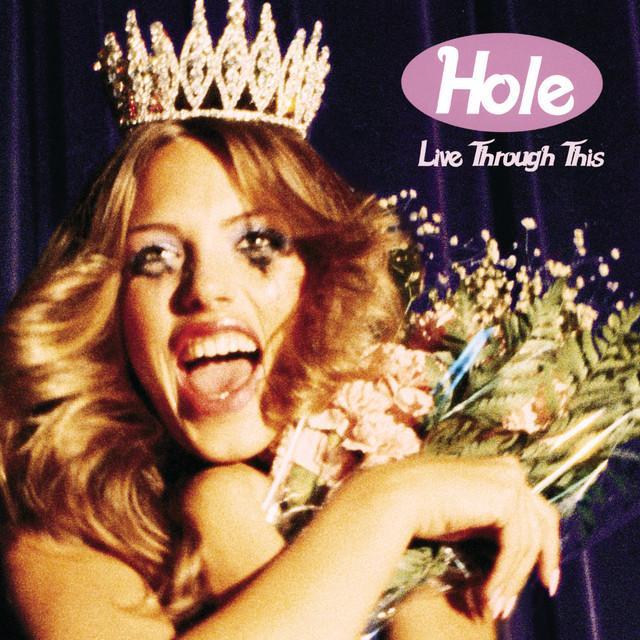
Why “Doll Parts” by Hole Still Cuts Deep
Doll Parts sounds small at first, almost fragile. Then it opens into something much harsher: a song about wanting love so badly that it starts to feel humiliating. That tension is the key to the meaning of Doll Parts Hole. They hear a narrator who feels watched, compared, and emotionally cornered, but still refuses to hide how much they want to be chosen.
"Doll Parts" - Hole
I am doll arms, big veins, dog beg
Yeah, they really want you
Loading lyrics...
Unable to load lyrics
We're unable to display the lyrics at this time. Please try again later.
The Core Wound at the Center
At its heart, the song is about romantic insecurity. More specifically, it captures the feeling of loving someone while fearing they may prefer other people, or may only value what is breakable in you.
Courtney Love wrote the song in 1991, and later said it was about a boy she had been seeing who was also involved with other girls. In a 2020 post discussed by American Songwriter, she explained that the song poured out quickly and was driven by desire, fury, and love. That background does not limit the song, but it does sharpen its emotional stakes.
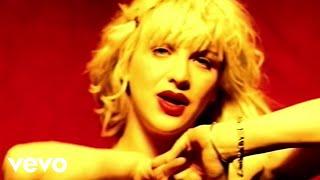
Watch the official Doll Parts
music video
A Speaker Who Feels Like an Object
The opening images matter because they turn the self into pieces. Instead of presenting a whole person, the song lists surfaces and body parts, including doll eyes
and doll heart
. Paraphrased, the speaker seems to see themselves the way the world might: as something looked at, judged, and handled.
Interpretation: the doll image suggests objectification, but also performance. A doll is posed. A doll is cute. A doll can also be damaged without anyone asking how it feels. That fits a song where the speaker is painfully aware of appearance, competition, and emotional power.
There is also a split between the public self and the private self. When they say I fake it so real
, the idea is not simple dishonesty. It sounds more like survival. They are acting composed so convincingly that even their own real feelings get tangled up in the act.
Desire, Competition, and the Need to Be Chosen
One of the song’s most memorable lines is the girl with the most cake
. Paraphrased, the speaker wants to be the one with the most value, attention, or desirability. They do not just want love; they want proof that they outrank the others.
That makes the song brutally honest. It is not a neat love song. It admits that romance can turn competitive and ugly when insecurity takes over. The repeated idea that they really want you
shows the speaker surrounded by rivals, or at least haunted by the thought of them.
Interpretation: “cake” may symbolize social power, beauty, attention, or emotional prize status. What matters is that the speaker feels they are in a contest they cannot escape.
How the Chorus Turns Hurt Into a Threat
The refrain circles around one devastating idea: you will ache like I ache
. On the surface, it sounds like revenge. The speaker imagines a future where the other person finally understands this pain.
But the line is sadder than it is cruel. They are not promising strength; they are wishing for recognition. If the other person aches too, then the speaker’s suffering becomes visible and real.
I love him so much
it just turns to hate
That brief turn sums up the whole song. Love does not disappear. It curdles. The closeness between love and hate here shows how intense attachment can become bitterness when it is not returned securely.
The Most Painful Line in the Song
Later, the song suggests that someone loves fragile things because they like seeing them break. Paraphrased, the speaker fears that their vulnerability is not cherished but consumed. This is one reason Doll Parts remains so haunting.
Interpretation: this can be read in two ways:
- The speaker is describing one specific person who is drawn to damage.
- The speaker is describing a wider culture that romanticizes damaged women while ignoring their pain.
Both readings fit. Hole often worked in that space between personal confession and social critique.
Why the Sound Matters So Much
The recording on Live Through This gives the lyrics extra force. According to Wikipedia’s song overview, the album version was recorded in 1993 at Triclops Sound in Georgia and produced by Paul Q. Kolderie and Sean Slade. The song itself is famously simple, built around three chords, which helps keep the focus on feeling rather than complexity.
That simplicity is part of its power. The verses feel exposed, almost conversational, and then the chorus swells without becoming polished or pretty. The guitars do not smooth out the pain; they enlarge it. Love’s vocal delivery moves between wounded and abrasive, which perfectly fits a narrator who feels both small and furious.
Context That Changed How People Heard It
Doll Parts appeared on Live Through This and became Hole’s breakout single, reaching No. 4 on Billboard’s Modern Rock chart, as noted by American Songwriter and Wikipedia. After Kurt Cobain’s death in 1994, the song took on added emotional weight for listeners because of Love’s public comments about its origins.
That history matters, but it is not the only reason the song lasts. They still connect to it because it names feelings many songs avoid: envy, self-loathing, romantic obsession, and the fear of being lovable only as a damaged object.
Why “Doll Parts” Still Resonates
The meaning of Doll Parts Hole comes down to this: it is a song about wanting love while feeling reduced by that wanting. It shows how desire can make someone feel childish, performative, exposed, and angry all at once.
That honesty is why the song still lands. It does not clean up ugly feelings. It lets them stay ugly, and in doing so, it makes them recognizable.
Interpretation disclaimer: song meanings are not fixed. This reading combines documented artist context with lyrical and musical analysis, but listeners may hear different meanings in the song.









