Why ‘I Think That I Would Die’ Feels So Raw
Hole’s “I Think That I Would Die” sounds jagged, panicked, and almost feverish. That is a big reason the meaning of I Think That I Would Die Hole still hits so hard. On the surface, the lyrics jump between baby imagery, bodily need, anger, and broken innocence. Underneath, many listeners connect it to fear of losing a child, public judgment, and a woman being turned into a target.
"I Think That I Would Die" - Hole
I'm smarting
He's stupid
Loading lyrics...
Unable to load lyrics
We're unable to display the lyrics at this time. Please try again later.
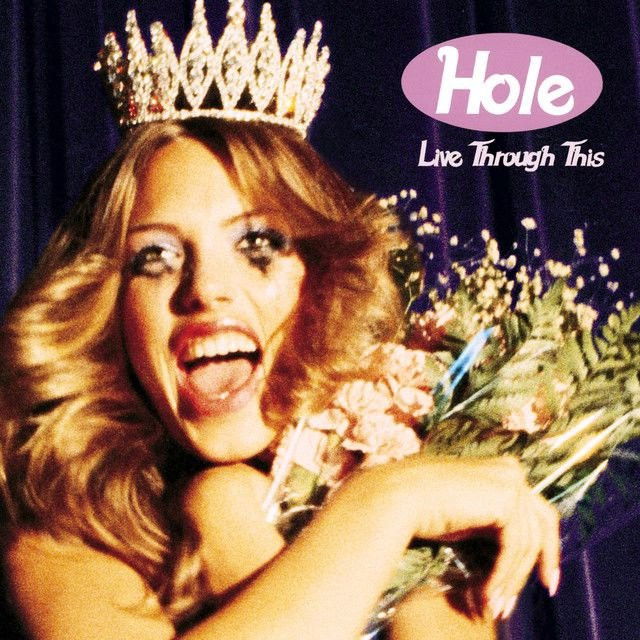
Factually, the song appears on Hole’s 1994 album Live Through This, and Songfacts links it to the custody pressures surrounding Courtney Love and Kurt Cobain after scrutiny of their fitness as parents. That context does not explain every line, but it helps make sense of why the song feels so desperate.
The Heart of the Song Is Panic
At its core, the song presents a speaker in crisis. They keep returning to the need for a baby, asking where the child is, and sounding trapped between craving, fear, and accusation. The repeated plea I want my baby
is simple, but that simplicity is the point. It sounds less like storytelling and more like a mind looping under stress.
That matters because Hole often wrote from the edge of emotional collapse. Here, the language is stripped down to needs and wounds. Instead of explaining everything, the song throws the listener inside a state of panic.
Interpretation: The speaker may be reacting to the threat of separation, whether literal custody loss or the larger fear that love, motherhood, and identity can be taken away by other people.
Watch the official I Think That I Would Die
music video
A Baby, a Body, and Public Judgment
One of the song’s most striking moves is how it ties motherhood to physical deprivation. The repeated line There is no milk
sounds blunt and unsettling. In plain terms, milk suggests nurture, feeding, and the body’s ability to care for a child. If there is “no milk,” something natural has been interrupted.
That interruption can be heard in a few ways:
- a mother fearing she cannot protect or provide
- a body damaged by stress, addiction, or shame
- a world accusing a woman of failure before hearing her side
This is where context sharpens meaning. In the early 1990s, Courtney Love faced intense media scrutiny over motherhood and drug use. The song can sound like an answer to that pressure: not calm, not polished, but furious and wounded.
The Lyrics Turn Innocence Into Horror
Midway through, the song shifts from baby hunger to damaged girlhood. The phrase lost all her innocence
reframes the song. It is no longer only about a missing child; it is also about a woman who feels used up, stained, or punished.
Then Hole adds a line about an abscess, which is ugly, medical, and infected. That choice destroys any soft image the word “innocence” might bring. The song suggests that purity is not just lost. It is spoiled, inflamed, and turned painful.
She lost all her innocence
Gave it to an abscess
That may be the song’s clearest image of corruption. Interpretation: It can point to addiction, exploitation, trauma, or the way fame and misogyny rot a person’s inner life.
The Feminism Line Is Meant to Sting
One of the most debated moments is the line I am not a feminist
. Taken literally, it sounds shocking, especially from an artist so often discussed in feminist terms. But inside the song, it lands like a bitter voice under pressure, not a neat manifesto.
Interpretation: The line may show how women can be pushed to reject labels when they feel misunderstood by the media, by movements, or by men. It may also be sarcastic, showing a speaker so cornered that they spit back the language used against them.
Either way, the point is conflict. The song is full of split feelings: wanting care, hating exposure, needing love, rejecting judgment.
Sound First, Explanation Second
The production carries as much meaning as the words. On Live Through This, Hole sharpened their punk attack without losing messiness. The guitars in “I Think That I Would Die” feel abrasive and compressed, while the rhythm section keeps the track moving like a bad thought that will not stop.
Courtney Love’s vocal performance is key. They do not sound distant or reflective. They sound cornered. The near-chant repetition, sudden cries, and rough edges make the song feel less like a composed statement and more like a breakdown caught on tape.
That sound supports the song’s themes:
- Repetition mirrors obsession.
- Noise mirrors emotional overload.
- The unstable delivery mirrors fear and rage.
This is why the track remains powerful even when some lyrics seem cryptic. The body of the performance explains the mind of the song.
Artist Context Deepens the Meaning
Hole’s second album arrived in 1994 during a period of tragedy and intense public attention. That matters because the band’s music was often heard through headlines, sometimes unfairly. “I Think That I Would Die” fits that era of Hole especially well: it turns tabloid-style scrutiny into art that feels chaotic, ugly, and alive.
The writing credits also matter. The song was written by Courtney Love, Eric Erlandson, and Kat Bjelland. Bjelland’s presence is notable because her own work often mixed nursery-rhyme fragility with distortion and menace. That blend appears here too, especially in the childlike repetitions and rose imagery.
So What Does the Song Finally Mean?
The best reading is that the meaning of I Think That I Would Die Hole centers on threatened motherhood, bodily failure, and the violent pressure placed on female identity. It sounds like someone trying to hold onto a child, a self, and a sense of innocence while the world tells them they are already ruined.
There are alternate readings. Some hear the song more broadly as addiction horror. Others hear it as a portrait of post-punk female rage. Both fit the evidence. But the baby imagery is too central to ignore, and the real-life custody context makes that reading especially strong.
In the end, the song is powerful because it does not tidy up its pain. It stays raw, repetitive, and unresolved.
Disclaimer: This interpretation mixes documented context with informed reading of the lyrics and sound. Like many Hole songs, it supports more than one meaning.







