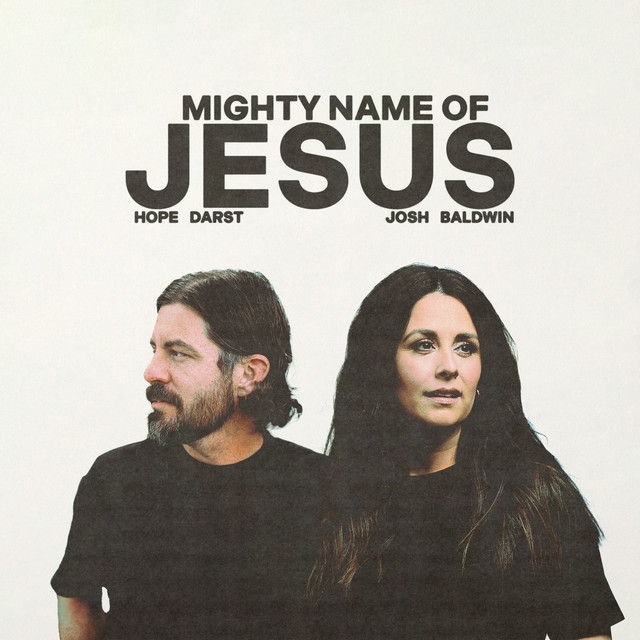
Why 'Mighty Name Of Jesus' Feels Like Armor
The meaning of Mighty Name Of Jesus Hope Darst, Josh Baldwin centers on prayer as protection. This is not a quiet, inward song. It is written like a spoken stand against fear, spiritual attack, and uncertainty. Instead of asking vague questions, the lyric moves with conviction. They present faith as something active, not passive.
"Mighty Name Of Jesus" - Hope Darst, Josh Baldwin
Spirit of God, You're here
You have all authority
Loading lyrics...
Unable to load lyrics
We're unable to display the lyrics at this time. Please try again later.
That matters because the song is built around a simple claim: the name of Jesus carries authority. Everything else in the lyric grows from that belief. Healing, freedom, courage, family protection, and victory are all tied to that central idea.
A Prayer Song More Than a Story Song
Unlike a narrative ballad, this song does not tell a detailed story with characters or scenes. It works more like a congregational declaration. The opening lines set that tone right away with language about prayer, God’s presence, and authority. When the lyric says Spirit of God
and then points to divine rule over every threat, it frames the whole song as an act of worship and spiritual resistance.
Interpretation: They are not describing a past event as much as modeling what believers say in the middle of fear. The song becomes a script for prayer.
That helps explain why the chorus lands so strongly. The repeated phrase mighty name of Jesus
is not just a title hook. It is the song’s answer to every problem raised in the verses. The structure is almost call-and-response: danger appears, then the name of Jesus is invoked as the response.
The Core Themes: Authority, Freedom, and Boundaries
One of the clearest themes is spiritual authority. The lyric claims that heaven’s power can be spoken into earthly struggle. In plain terms, the song says believers do not face darkness alone.
A second theme is freedom. Early in the song, the writer links healing and release from bondage to Jesus’ sacrifice. When the lyric says I am free
, it is not just emotional relief. It points to a Christian view that freedom is already secured through Christ and then applied in personal prayer.
A third theme is boundaries. That may be the song’s most striking image. The singer says they draw a line and declare that evil has no claim over their home. This turns theology into everyday language. Protection is not abstract here; it reaches the family, the mind, and the future.
How the Verses Build the Message
The first verse moves inward. It focuses on heart, mind, healing, and personal freedom. That gives the song a private starting point. Fear is addressed at the level of the self.
The next verse expands outward toward family and destiny. The lyric about a boundary line
suggests defense, territory, and safety. Then it pushes even further, saying circumstances cannot undo God’s presence. The result is a widening circle: self, family, life path.
That design makes the song feel useful in worship. It allows listeners to bring many kinds of anxiety into the same prayer.
The Chorus Turns Faith Into Defiance
The chorus is where the song becomes most forceful. The line about weapons breaking paraphrases a biblical pattern found in Christian worship music: opposition may be real, but it is not ultimate. The repeated naming of Jesus acts like a refrain of confidence.
I will not fearthe enemy comes neararmy of angels near
This brief bridge section sharpens the emotional turn. Fear is acknowledged, but it is not allowed to rule. The song does not pretend danger is imaginary. Instead, it says fear loses control when placed under God’s protection.
Interpretation: This is why the song feels like armor. It is less about escaping hard things and more about standing firm inside them.
The Biblical Images Behind the Lyrics
Several images come from familiar Christian teaching. The reference to healing through Christ’s suffering echoes Isaiah 53 and 1 Peter 2. The image of blood on the doorframe recalls Passover in Exodus, where marked homes were protected. The idea of heavenly armies fits a long biblical tradition of angelic defense.
These references help explain why the song feels instantly recognizable in modern worship. It takes older biblical images and condenses them into direct, singable language.
For listeners in church settings across the United States, that combination can feel both personal and communal. It sounds like private prayer, but it is designed for a room full of voices.
Hope Darst, Josh Baldwin, and the Worship Sound
Hope Darst is known for direct, faith-forward worship writing, especially through songs connected to her debut album 5AM. Josh Baldwin brings a warm, rootsy worship presence shaped by his work in contemporary Christian music and at Bethel Music. Together, that pairing supports the song’s balance of intimacy and strength.
Production-wise, the arrangement likely aims for a modern worship arc: steady build, strong drums, layered keyboards, and a chorus meant for congregational lift. Even without complex poetry, that sonic rise adds meaning. The music reinforces the lyric’s message that confidence grows as prayer is spoken aloud.
This is also why repetition is so important. In pop songwriting, repetition can be catchy. In worship music, repetition can also be devotional. Saying the same truth again and again is part of how the song tries to move listeners from anxiety to trust.
Why the Song Connects So Easily
The reason this track connects is simple: it names common fears without dwelling on them. It offers a response instead of just a diagnosis. Many worship songs describe God’s love; this one emphasizes God’s authority.
That gives it a practical edge. People can sing it over stress, illness, family trouble, or spiritual doubt. Whether one hears it as literal warfare language or as a metaphor for inner struggle, the effect is the same: the song turns prayer into courage.
Final Take on Its Meaning
At its heart, the meaning of Mighty Name Of Jesus Hope Darst, Josh Baldwin is about claiming peace and protection through the authority of Jesus. It presents faith as a spoken act, not just a private belief. The lyric’s strongest message is that fear may come close, but it does not get the final word.
Interpretation disclaimer: This reading is based on the lyrics, Christian biblical imagery, and the artists’ worship context. Different listeners may hear slightly different emphases in the song.







