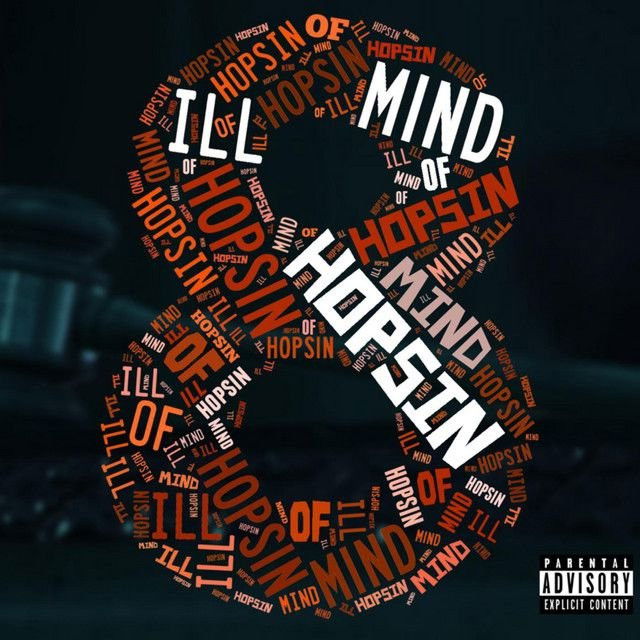
Ill Mind of Hopsin 8 by Hopsin
Why This Diss Track Hits So Hard
The meaning of Ill Mind of Hopsin 8 Hopsin starts with conflict, but it does not end there. On the surface, this is a diss track aimed at Damien Ritter, Hopsin’s former business partner at Funk Volume. Factually, the song was released on March 8, 2016, as the eighth entry in the “Ill Mind” series and the first single from Hopsin’s independent label, Undercover Prodigy, with Hopsin credited as writer and producer according to Wikipedia.
"Ill Mind of Hopsin 8" - Hopsin
Homie, I made you rich, paid your rent (Damn right!)
Bitin' the hand that was feedin' you
Loading lyrics...
Unable to load lyrics
We're unable to display the lyrics at this time. Please try again later.
What gives the song weight is that they frame the feud as betrayal, not just bad bookkeeping. They do not present a cool, distant complaint. They sound wounded, angry, and cornered. That emotional mix makes the record feel less like a press statement and more like a public rupture.

Watch the official Ill Mind of Hopsin 8
music video
The Core Meaning Beneath the Anger
At its heart, the song is about trust collapsing inside a creative partnership. Hopsin argues that the label was supposed to put art first, then claims business interests swallowed that mission. When they attack their former manager, they are also mourning the death of a shared dream.
A key line of thought appears when the song contrasts music with money. The complaint is not simply that someone got paid. It is that the wrong values took over. Phrases like music above all the business
and you tarnished the brand
show that they believe the label stopped reflecting hip-hop culture and started acting like a machine.
Interpretation: This means the song works on two levels at once:
- a direct accusation toward one person
- a broader warning about the music industry
That second layer is why the track still connects with listeners who know nothing about Funk Volume.
Who They Are Speaking To
Most of the song is aimed straight at Damien Ritter. Hopsin names him, questions his motives, and lays out alleged money issues in detail. The direct address matters because it removes any mystery. They want confrontation, not subtlety.
Still, there is also a second audience: fans. The song often sounds like they are explaining the breakup to the public. When they mention percentages, royalties, touring conditions, and ownership, they are building a case. The repeated feeling is: now everyone will know why they left.
How the Story Unfolds Verse by Verse
The song moves like a legal complaint mixed with a meltdown. First, Hopsin opens with rage and disbelief, saying the person they helped has now turned against them. Then the verses widen into specific grievances: missing money, shady accounting, poor touring conditions, and a label image they see as embarrassing or fake.
The middle section is especially important because it shifts from insult to structure. Hopsin points out how one person can be manager, label head, and accountant at the same time. Even without proving every charge in the song, the writing makes that setup sound dangerous. The point is not just “they were cheated.” The point is that the system itself looked built for imbalance.
By the end, the song reaches its emotional conclusion: separation. Hopsin stops sounding like someone trying to fix the situation and starts sounding like someone walking away from it.
The Hook Turns Business Into Horror
The chorus is simple but effective. The image of blood on the walls
turns a contract dispute into something much darker. It suggests visible damage, a room already stained by what happened, and a truth that can no longer be hidden.
I can clearly see the blood on the wall
that ain't goin' down
This is the article’s one short multi-line quote, and it captures the song’s central image. Hopsin is saying they can see the warning signs now, and they refuse to keep pretending everything is normal.
Interpretation: The hook is not about literal violence. It is about irreversible damage. Once they see the situation clearly, there is no going back.
Production That Sounds Like a Boiling Point
Because Hopsin produced the track themself, the music reinforces the message closely. The beat is sparse, tense, and heavy, giving their voice lots of room to dominate. There is little comfort in the instrumental. Instead, the production feels like pressure building in a closed room.
Their delivery does most of the dramatic work. They move between mocking, shouting, and tightly controlled anger. That shifting tone mirrors the lyric content: part accusation, part disbelief, part exhaustion. The result is a song that feels immediate rather than polished for distance.
This matters to the meaning of Ill Mind of Hopsin 8 Hopsin because the sound tells listeners that the issue is personal. A smoother beat might have turned this into entertainment. This production makes it feel like exposure.
Context Makes the Song Bigger
The record landed at a major turning point. According to Wikipedia, it was Hopsin’s debut single on Undercover Prodigy after the breakup with Funk Volume. The music video, also directed by Hopsin, reportedly passed 1 million views within a week and later surpassed 85 million views. Commercially, the song also charted on Billboard and was certified Gold by the RIAA.
That success matters because it shows the song was more than fan gossip. It became a major public statement of independence. Critics noticed that intensity too. HipHopDX described the track as “nothing short of jarring,” a fair summary of how abruptly it breaks from the more inward, philosophical tone many listeners expected from the series.
One Final Layer: The Spoken Ending
The closing spoken sample about change gives the song an extra frame. After six minutes of anger, the message turns almost motivational. It argues that people stay in broken situations because they are familiar.
That ending reshapes the whole track. Instead of only sounding bitter, the song begins to sound like a painful exit. The feud becomes a lesson: loyalty is not always healthy, and growth may require cutting ties.
What the Song Ultimately Means
In the end, “Ill Mind of Hopsin 8” is about betrayal inside art, business, and friendship. It says success can hide bad power structures until someone finally asks questions. It also says leaving can be ugly, loud, and still necessary.
For many listeners, that is why the song lasts. Even if they do not know every Funk Volume detail, they understand the feeling behind what the fuck
and goin' solo
. They hear someone realizing that trust is gone.
Interpretation disclaimer: This article offers a good-faith reading of the song based on its lyrics, release context, and reported background. Some meanings are interpretive rather than confirmed statements of fact.









