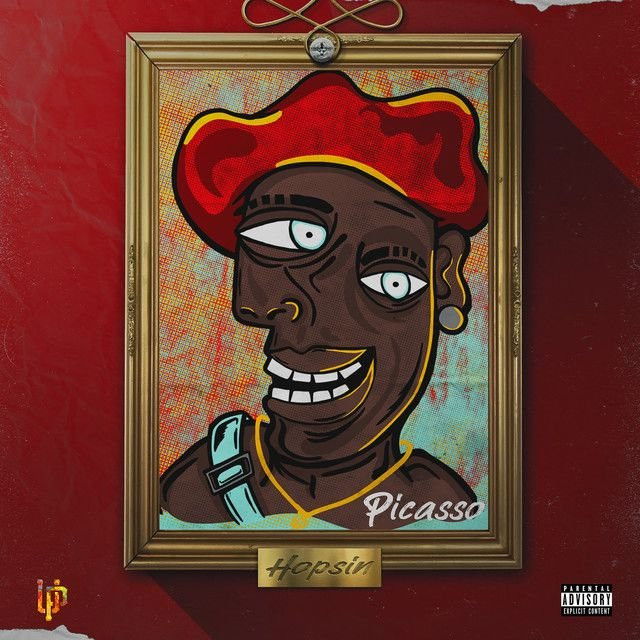
Picasso by Hopsin
Why This Track Hits Like a Challenge
The meaning of Picasso Hopsin starts with a simple idea: they present themselves as an artist who refuses to soften their style for trends, critics, or the music business. Released as a standalone single on May 8, 2019, “Picasso” arrived during a period when Hopsin was already known for confrontational writing, self-analysis, and shots at the rap industry. That larger career pattern matters here because the song does not sound like a random burst of anger. It sounds like a mission statement.
"Picasso" - Hopsin
I cannot seem to breakthrough from this curse that I've been stuck to
I came in as a lil' man, but now my fuckin' nuts grew
Loading lyrics...
Unable to load lyrics
We're unable to display the lyrics at this time. Please try again later.
In broad terms, “Picasso” is about artistic pride, hostility as self-protection, and the need to prove originality in a crowded rap space. The title compares Hopsin to Pablo Picasso, using the painter’s name as shorthand for genius, boldness, and a style nobody else can copy.
Watch the official Picasso
music video
The Core Meaning Behind the Bragging
On the surface, the song is packed with battle-rap talk. They boast, threaten rivals, and claim superiority. But the deeper point is that they see aggression as part of their creative identity.
When Hopsin says I am Picasso
, they are not just calling themselves talented. They are saying their work should be viewed as art, even when it is abrasive. The hook turns ego into a thesis: if others call them too harsh, they answer by framing that harshness as genius rather than a flaw.
That is why the chorus matters so much. It repeats the self-myth over and over until it becomes the song’s center. Interpretation: the track suggests that greatness in rap often requires a thick skin and a willingness to be disliked.
A Fight With Hollywood and the Machine
One of the most important lines in the song is aimed at fame itself. Early on, Hopsin addresses Hollywood almost like a toxic relationship. They describe loving it, feeling trapped by it, and finally trying to cut ties. That gives the song more emotional weight than a normal brag track.
The opening phrase Hollywood, Hollywood
sounds like a call-out, but also a complaint. They are not just attacking other rappers. They are attacking the whole fame system that rewards image, trends, and fake behavior.
This fits Hopsin’s public career story. They built a reputation through independent-minded releases, the “Ill Mind of Hopsin” series, and open criticism of the industry, as summarized by available career overviews and release history. In that context, “Picasso” feels like another chapter in a long-running argument with mainstream rap culture.
What the Verses Are Really Doing
Rather than tell one story from start to finish, the song moves through bursts of thought. A 2019 write-up described it as a “lyrical banger” made of “scattered thoughts,” and that is a useful way to hear it. The verses jump between self-praise, attacks on weak rappers, disgust with industry habits, and flashes of autobiography.
Beat One: They Return Ready for War
Early bars announce a comeback energy. They pull up loud, proud, and ready to dominate. Phrases like Hi guys, I'm back
are almost sarcastic, as if they know their entrance will upset people.
Beat Two: They Reject Being “Nice”
Hopsin openly refuses a kinder, more commercial persona. When they say they do not have the right mind for softer rap, they are telling listeners that meanness is not an accident. It is part of the product.
Beat Three: They Attack Rap Trends
The sharpest social critique comes when they mock the idea that modern success requires shallow music, drug use, and performative flexing online. That section links the song to Hopsin’s larger anti-drug and anti-industry stance, which has appeared elsewhere in their catalog and public image.
Who am I? I'm Picasso
Take the high road
Even in this brief refrain, the song mixes pride with warning. They cast themselves as elevated above the field, but also dangerous if pushed.
The Picasso Symbol, Decoded
Why Picasso? Because Picasso represents artistic revolution, confidence, and a signature style. Hopsin borrows that cultural symbol to say they are not just another rapper with punchlines. They are claiming authorship over a whole vision.
There is also irony in the comparison. Picasso was celebrated but often controversial. Hopsin seems to enjoy that parallel. If people think the music is too aggressive, that only proves it is distinct.
Interpretation: the title may also suggest that rap itself is a visual art in sound form. Hopsin paints with insults, speed, and shock value instead of brushes and color.
How the Production Supports the Meaning
The production helps explain the meaning of Picasso Hopsin just as much as the words do. The beat is hard, sparse, and tense, leaving room for a forceful vocal performance. There is not much softness in the instrumental. Instead, it creates a combative lane where every line sounds like a jab.
That matters because the song’s message is about dominance and refusal. A smoother or more melodic beat would have changed the feeling. Here, the blunt drums and heavy momentum make the track feel like a confrontation in real time.
Hopsin has long been associated with hands-on creative control, including writing and often producing in his catalog. Whether listeners hear “Picasso” as pure self-hype or a critique of rap culture, the sound reinforces the same point: they want to be heard as direct, unpolished, and impossible to ignore.
Final Take: Ego as Armor
In the end, “Picasso” is less about one rival than about Hopsin defending their place in rap. The song turns arrogance into armor. It argues that hostility, in their case, is tied to survival, originality, and self-belief.
So the meaning of Picasso Hopsin is not just “they think they are great.” It is that they believe greatness requires defiance. The song frames artistry as a fight, and Hopsin casts themselves as the kind of artist who would rather be called extreme than ordinary.
Disclaimer: This article offers an interpretation based on the lyrics, release context, and documented career history. Like most songs, “Picasso” can support more than one reading.









