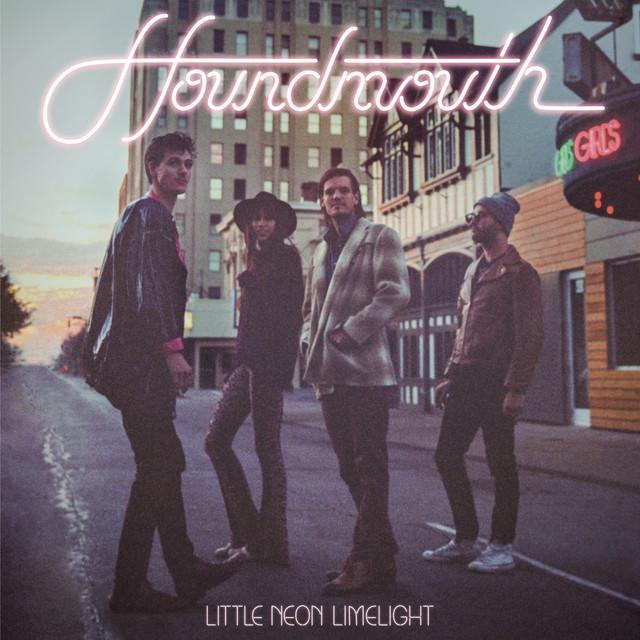
Sedona by Houndmouth
Why This Road Song Feels Bigger Than It Sounds
The meaning of Sedona Houndmouth starts with a trick: the song sounds breezy, catchy, and wide-open, but its story is much darker. Houndmouth wraps ideas about fame, debt, memory, and temptation inside images of the American West. That mix is a big reason the 2015 single broke through as the lead release from Little Neon Limelight and later reached No. 1 on Billboard's Adult Alternative Airplay chart, according to publicly available chart summaries and release data.
"Sedona" - Houndmouth
Right smack on top of Sedona Arabella
When John Ford said "Won't you hop on in?"
Loading lyrics...
Unable to load lyrics
We're unable to display the lyrics at this time. Please try again later.
At a surface level, they sing about Sedona, Hollywood, and old-movie imagery. Underneath, the song is about a dream factory losing its shine. Interpretation: Sedona is less a travel destination than a symbol of fantasy itself—a beautiful place where myths are made, sold, and eventually exposed.

Watch the official Sedona
music video
The Core Meaning: A Dream With Cracks in It
The song keeps returning to a version of Hollywood that is dazzling but unstable. When the chorus describes little Hollywood
, it sounds affectionate, but not innocent. They are not celebrating pure glamour. They are looking at a place, or maybe a person, that still carries beauty after the system around it has gone bad.
That tension sharpens in the line about having money while your credit's no good
. Paraphrased, the song points to success that looks real from the outside but is shaky underneath. In plain terms, the dream is funded, branded, and visible, yet morally or emotionally bankrupt.
This is the heart of the meaning of Sedona Houndmouth: the song explores what happens when American myth still looks gorgeous even after people know it is cracked.
Western Myths, Movie Sets, and False Fronts
How the verses build an old-new America
The opening drops listeners into red rock country and then quickly brings in filmmaker John Ford and a stagecoach. Those details matter. Ford helped define the cinematic American West, so the song immediately links Sedona to movie invention rather than simple realism.
By using phrases like stagecoach
and references to John Ford, they turn the landscape into a set. Sedona becomes a place where history, film, and fantasy blur together. The effect is playful on first listen, but it also suggests that national identity can be staged.
Interpretation: The falling sandstone in the opening feels like a metaphor for collapse. Something old and monumental comes down on top of the fantasy. In other words, the scenery itself seems to crush the myth it once supported.
The Chorus Turns Nostalgia Into Warning
The most emotional part of the song is its memory of neon burning bright and pink
. That image is vivid, youthful, and a little sad. Neon is not natural light; it is manufactured glow. That makes it perfect for a song about glamour and performance.
When they remember a Saturday night kind of pink
, the song sounds nostalgic, but the nostalgia is complicated. They are not just missing the past. They are noticing how seductive that past looked. The chorus frames Hollywood as unforgettable, yet unreliable—gone in one sense, still haunting in another.
That is why the hook lands so well. It does not simply mourn a lost golden age. It asks whether that age was always part illusion.
Blacklists, Work, and the Price of Survival
One of the song's smartest moves is how it slips from glamorous images into economic anxiety. The mention of a blacklist evokes political exclusion and industry punishment, while the later admission that they are heading to California and are out of work brings the fantasy down to earth.
Paraphrased, the song says survival can feel like a bargain with bad options. Even getting by may seem preferable to total ruin. That makes the later image of someone trying to steal a soul feel less random than it first appears.
the devil's in a rush
let me cut you a deal
This is the article's only longer lyric quote, and it captures the song's central pressure point: temptation arrives fast when people are desperate. Interpretation: the devil may stand for the entertainment business, capitalism, addiction, or any system that trades beauty for control.
How Houndmouth's Sound Sells the Illusion
Musically, "Sedona" helps its own message by sounding deceptively relaxed. The song sits in an accessible indie-rock lane, with a warm groove, clean rhythm section, and a melody that feels built for driving with the windows down. That easy feel mirrors the seduction of the world being described.
The production does not overcrowd the lyrics. Instead, it leaves room for the vocal phrasing to sound casual, almost tossed off, which makes the darker lines sneak up on the listener. This contrast—sunny sound, uneasy story—is one reason the song has had long staying power. It was commercially successful too, later earning Platinum certification in the United States according to RIAA listings summarized in major reference sources.
A Few Strong Readings of the Song
There is no single official answer, but these readings fit the lyrics well:
- Hollywood allegory: Sedona stands for the entertainment machine and its fading glamour.
- American myth critique: The song connects Western movie history to broader national storytelling.
- Personal warning: The lyrics can also sound like they are addressing someone charming but self-destructive.
All three readings work because the song keeps its symbols open. That openness is part of its appeal.
Final Take on the Meaning of Sedona Houndmouth
In the end, the meaning of Sedona Houndmouth lies in its contrast. They pair red-rock beauty with collapse, neon romance with debt, and freedom with spiritual risk. The song sees the American dream as dazzling enough to remember and damaged enough to distrust.
That balance is what makes "Sedona" stick. It is catchy, cinematic, and quietly skeptical at the same time.
Disclaimer: This interpretation is based on the song's lyrics, musical choices, and public release context. Like many poetic songs, "Sedona" can support more than one valid reading.








