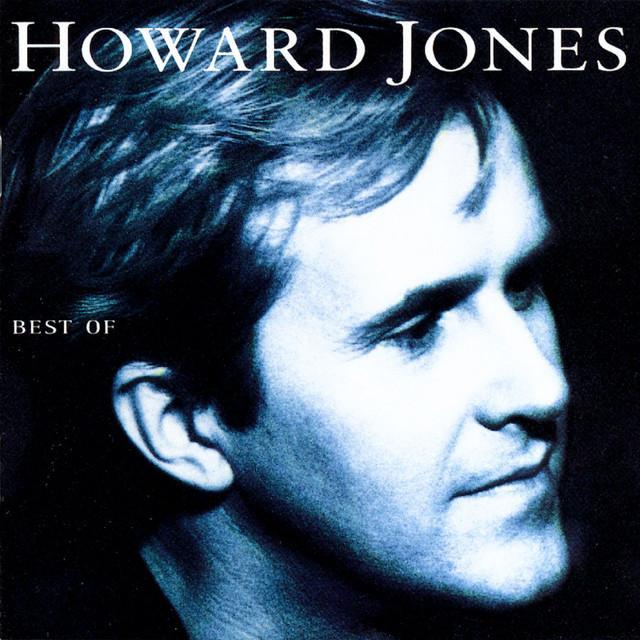
Why Howard Jones Made Hope Sound Urgent
When people search for the meaning of Things Can Only Get Better Howard Jones, they usually find a song that sounds instantly upbeat. But its real strength is not simple cheerfulness. The song works because it makes room for fear first, then answers that fear with motion, courage, and perspective.
"Things Can Only Get Better" - Howard Jones
Future dreams we have to realize
A thousand skeptic hands won't keep us from the things we plan
Loading lyrics...
Unable to load lyrics
We're unable to display the lyrics at this time. Please try again later.
Howard Jones released Things Can Only Get Better
in 1985 on Dream into Action. It became his American breakthrough, reaching the U.S. Top 10, and is still one of his signature songs. Research from American Songwriter and Songfacts also shows Jones wrote it as a deliberate lift for listeners during difficult times.
More Than Positive Pop
On the surface, this is an anthem of optimism. Underneath, it is about what happens when security falls apart. The opening idea is blunt: comfort can vanish, plans can be challenged, and the future is never guaranteed.
That is why the lyric about security throw through the wall
matters. It suggests not a minor setback, but a break with safety itself. The song starts from instability, not from confidence. That makes the title feel earned.
Interpretation: the track is less about pretending everything is fine and more about choosing a mindset after life stops feeling stable. In that sense, it is a resilience song, not just a happy one.
Watch the official Things Can Only Get Better
music video
Fear Is Admitted, Not Hidden
One of the smartest things in the lyric is how directly it names anxiety. The line do you feel scared, I do
gives the song its emotional credibility. They do not posture as fearless. They admit the same doubt the listener may feel.
That confession changes the chorus. Instead of sounding like a motivational poster, the title lands as a hard-won response to fear. The speaker is not above the struggle; they are inside it.
And do you feel scared, I do
But I won't stop and falter
This is the song's core move: admit fear, then refuse surrender. The message is not that pain disappears. It is that fear does not get the final word.
The Verses Turn Risk Into Purpose
The verses build a worldview around action. They speak about dreams that still need to be realized, skeptics who doubt those plans, and the danger of clinging too tightly to what feels safe.
The phrase a thousand skeptic hands
frames opposition as constant and social. Other people may doubt the dream, slow progress, or push caution. Yet the lyric also says the bigger obstacle may be internal attachment to what they already prize. In plain terms, comfort can become its own trap.
Later, the song shifts from ambition to mortality. It urges living in a way that reaches later life with feel no regret
. That expands the theme. This is no longer just about career or success. It becomes a wider argument for bold living.
Why the Chorus Feels So Strong
The chorus works because it changes the meaning of loss. Normally, throwing everything away sounds reckless or tragic. Here, that idea becomes a radical reset. If old structures are broken, then change is possible.
Interpretation: when the song says things can improve after loss, it is not celebrating destruction. It is reframing collapse as a chance to rebuild. That is a powerful message for anyone dealing with failure, burnout, or a life transition.
Jones himself has explained that he wanted to give people something helpful, a kind of musical encouragement during hard periods. That background fits the song perfectly: it is a pep talk, but one built on vulnerability rather than denial.
How the Sound Carries the Meaning
The production is a huge part of why the song lasts. Factually, it was released on Dream into Action in 1985, written by Howard Jones and produced by Rupert Hine. Its sound sits between synth-pop and new wave, with bright keyboards, a firm rhythmic pulse, and a polished pop lift.
Those musical choices matter. The track does not drift dreamily; it pushes forward. The beat gives it momentum, while the vocal hook makes the message communal instead of private. Research notes that Jones added the wordless wow wow wow oh
section to make live audiences sing along easily.
That sing-along piece is important to the meaning. The song is not arranged like a lonely diary entry. It is built like shared encouragement. Even the horns and crisp groove add a sense of upward motion, turning the lyric into something physical and energizing.
A Song About Success That Distrusts Success
Another interesting layer is the lyric's attitude toward achievement. It mentions the long climb and the lonely path, but then says success or failure
will not alter the mission. That is a subtle challenge to pop ambition.
Interpretation: the song argues that purpose matters more than outcome. They should keep moving not because victory is guaranteed, but because the effort itself is worth it. This makes the song deeper than a standard triumph anthem.
Why It Still Connects
The lasting appeal of the meaning of Things Can Only Get Better Howard Jones comes from its balance. It is hopeful without being shallow. It is motivational without denying struggle. And it gives listeners a way to think about uncertainty that still feels useful now.
That may explain why the song remains culturally visible decades later. Its message is broad enough for personal crises, career setbacks, and social pressure, yet specific enough to feel human.
The Lasting Takeaway
In the end, Howard Jones built a song about courage under pressure. It says fear is real, doubt is real, and the future is never fully secure. But it also says people can keep going anyway.
That is why the song still works: it turns optimism into a choice, not a fantasy.
Disclaimer: This interpretation is based on the lyrics, documented artist comments, and the song's production context. Meaning in music can stay open, and different listeners may hear it differently.








