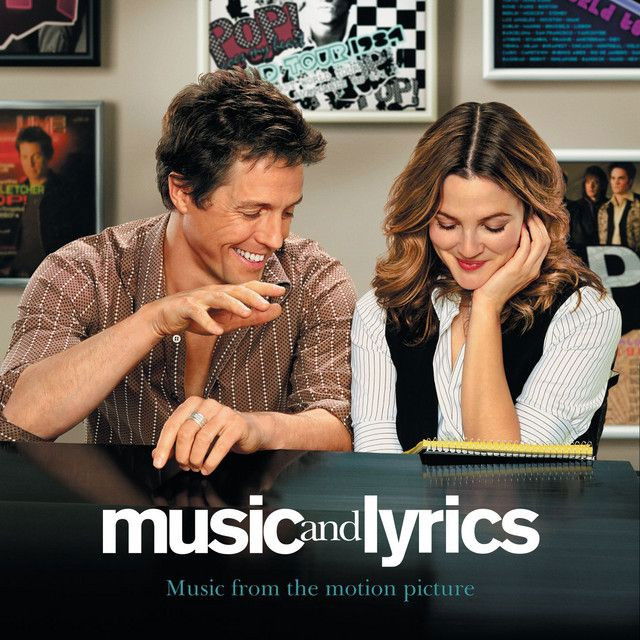
What 'Way Back Into Love' Really Means
The meaning of Way Back Into Love Hugh Grant, Haley Bennett is simple on the surface but more touching underneath: it is a song about learning how to feel hopeful again after heartbreak and emotional isolation. In Music and Lyrics, the track is the film’s love theme, and much of the story turns on writing and shaping it. Factually, the song was written by Adam Schlesinger for the 2007 film, and the Hugh Grant/Haley Bennett version is one of the two main versions tied to the movie.
"Way Back Into Love" - Hugh Grant, Haley Bennett
I've been sleeping with a cloud above my bed
I've been lonely for so long
Loading lyrics...
Unable to load lyrics
We're unable to display the lyrics at this time. Please try again later.
What makes the song last is that it does not talk about love as a thrilling first spark. Instead, it treats love like something the speaker once knew, lost, and now has to recover. That gives the song a healing quality rather than a purely romantic one.
A Pop Ballad About Emotional Recovery
From the opening lines, the singer is weighed down by sadness. The images of a shadow and a cloud suggest a person living under constant emotional pressure. When the lyric says lonely for so long
, it frames the problem clearly: this is not a brief bad day. It is a long stretch of feeling stuck.
The next verse adds another layer. The singer has hidden away hopes and dreams, almost like they packed up the parts of themselves that still wanted joy. That detail matters because it shows self-protection. They are not just heartbroken; they are careful now, maybe even afraid to hope.
Interpretation: the song is really about re-entry. The speaker is trying to rejoin life, trust, and vulnerability after closing off for too long.

Watch the official Way Back Into Love
music video
Why the Chorus Hits So Hard
The chorus gives the song its emotional center. The phrase way back into love
does not sound like a dramatic conquest. It sounds like a path home. That wording suggests the singer believes love is still possible, but they cannot reach it alone.
There is also a note of urgency. When the lyric says they cannot make it through without that path back, the song raises the stakes. Love here is not a bonus. It feels necessary for wholeness, meaning, and emotional survival.
This is why the chorus works so well in a movie setting. It is broad enough to sound universal, but specific enough to feel personal. Listeners can hear it as a romance song, while the film uses it to mark two people slowly opening up to each other.
The Verses Move From Darkness to Openness
A lot of the song’s meaning comes from its progression. Early on, the singer feels blocked. They watch the world, but the stars refuse to shine
. They search for signs but cannot read them. Those lines describe more than bad luck. They suggest emotional numbness, where hope exists somewhere out there, but the speaker cannot fully access it.
Then the song shifts. Instead of asking for any company, the singer asks for someone to shed some light
, not just help them through the night. That is an important distinction. They do not want a temporary distraction. They want real guidance, honesty, and connection.
By the later chorus, the song becomes more relational. The speaker is no longer speaking into empty space. They imagine opening their heart again and hope another person will meet them there. That change turns the song from private pain into shared possibility.
How the Movie Deepens the Meaning
In factual terms, Way Back into Love was written by Adam Schlesinger for Music and Lyrics and released in 2007 as part of the film’s soundtrack. According to widely cited reference material, the song serves as the movie’s love theme, and the plot centers heavily on writing and arranging it. The Hugh Grant and Haley Bennett version is the polished “final” version, while a demo pairing Hugh Grant with Drew Barrymore also appears in the film world.
That context matters because the song is about songwriting as much as romance. In the movie, writing the track becomes a way for the characters to admit what they feel. So when listeners hear the finished duet, they are also hearing emotional progress turned into pop form.
How the Sound Supports the Lyrics
Musically, the song is built as a soft, mainstream pop ballad. Its melody is smooth, the tempo is steady, and the arrangement stays warm rather than edgy. That production choice fits the theme. A harsh or complicated sound would fight the lyric’s plainspoken sincerity.
Hugh Grant’s vocal style is modest and slightly tentative, which actually helps. He sounds like someone reaching for honesty rather than showing off. Haley Bennett’s fuller, cleaner pop delivery adds lift and confidence. Together, they create a musical conversation between uncertainty and reassurance.
Interpretation: that contrast makes the duet version especially effective. One voice carries the wound; the other hints at the healing.
A Few Key Symbols in Plain English
Several images carry the whole song:
- Shadow and cloud: ongoing sadness and mental heaviness.
- Stars and signs: the hope they want but cannot yet read.
- Light: clarity, guidance, and emotional truth.
- Open my heart again: the risk of trusting after pain.
These are familiar pop images, but they work because the song uses them with restraint. Nothing feels overly poetic or hard to follow.
And if I open my heart again
I guess I'm hoping you'll be there
This brief moment captures the song’s biggest fear: being vulnerable and finding no one there. It also captures its biggest hope.
Final Take on Its Lasting Appeal
The meaning of Way Back Into Love Hugh Grant, Haley Bennett lasts because it speaks to a very common feeling: not just wanting love, but wanting the ability to believe in it again. It is gentle, clear, and emotionally readable. Adam Schlesinger’s songwriting keeps the message universal, while the film gives it extra narrative weight.
For many listeners, that is why the song remains memorable. It is not about flashy passion. It is about finding the courage to start again.
Disclaimer: This interpretation blends widely documented facts about the song’s film context with informed reading of its lyrics and performance. As with any song, listeners may hear meanings that differ from this one.








