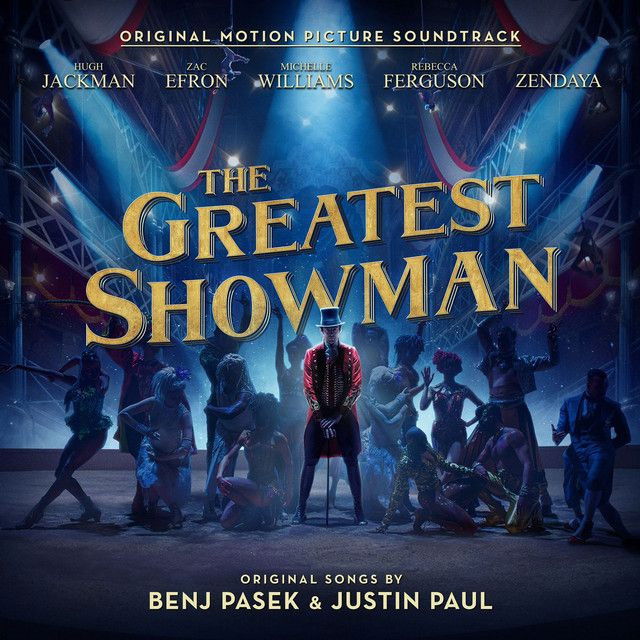
Why 'The Other Side' Feels Like a Dare
The meaning of The Other Side Hugh Jackman, Zac Efron comes down to one thrilling idea: one man offers another a chance to leave a polished, limited life and step into a riskier, more vivid one. In The Greatest Showman, the song is a turning point. It is not just catchy banter. It is a sales pitch, a class argument, and a test of courage all at once.
"The Other Side" - Hugh Jackman, Zac Efron
I put the offer out
I don't wanna chase you down
Loading lyrics...
Unable to load lyrics
We're unable to display the lyrics at this time. Please try again later.
According to The Greatest Showman soundtrack and film context, the number is performed by P. T. Barnum and Phillip Carlyle, played by Hugh Jackman and Zac Efron. It appears as one of the film’s central duets on the original motion picture soundtrack.[1]
A Recruitment Pitch Dressed as a Showstopper
At the most basic level, Barnum is trying to recruit Carlyle into his world of entertainment. He opens with urgency and confidence, practically saying now is the moment. When he frames the offer as escape from routine, phrases like right here, right now
and cut you free
make the invitation sound immediate and liberating.
But the song is smarter than a simple “join me.” Barnum does not just offer money or work. He offers transformation. He tells Carlyle he can leave behind the role society assigned him and choose something brighter, less restricted, and more alive.
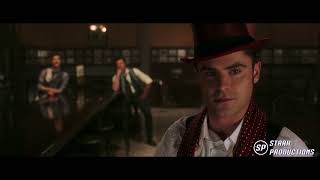
Watch the official The Other Side
music video
The Real Conflict Is Identity, Not Employment
Carlyle pushes back because he does not see himself as trapped. That is what gives the duet its spark. Barnum thinks Carlyle is stuck in a respectable but dull world. Carlyle believes he already has status, comfort, and social approval.
This is why the song keeps returning to performance language. They talk about the part
they play and whether they want a different one. That wording matters. In the film, both men are performers in some way. Barnum performs ambition and spectacle. Carlyle performs upper-class polish.
Interpretation: The song suggests that social life itself is a stage. Barnum is asking Carlyle to stop acting out the role his class expects and try a more authentic one.
How the Chorus Turns Freedom Into Temptation
The chorus is built around the promise of crossing over. Barnum frames the choice in bold images: a cage, a key, and the possibility to fly. Even without quoting much, the message is clear. Stay safe and stay limited, or risk change and discover a larger self.
That is why the other side
works as more than a location. It becomes a symbol for:
- creative freedom
- social risk
- self-reinvention
- emotional awakening
Barnum makes the leap sound glamorous. Carlyle initially refuses because the cost is not abstract. If he joins Barnum, he could lose status, reputation, and the comfort of belonging to elite society.
Class Tension Sits Under Every Line
One reason this song remains memorable is its sharp class contrast. Carlyle refers to living among the wealthy, while Barnum’s world is associated with mess, hustle, and public spectacle. Carlyle does not just reject the job at first; he rejects what he thinks that world says about him.
Disgraced and disowned
another one of the clowns
That brief moment captures the real fear. Carlyle worries that crossing over would make him socially ridiculous. Barnum answers that fear with a different vision: maybe respectability is its own prison.
Interpretation: The song sets up a classic conflict between approval and freedom. One side offers safety. The other offers vitality.
Why the Bargaining Scene Matters So Much
Midway through, the song becomes a negotiation. This is not filler. It changes the meaning. Once Carlyle starts haggling over percentages, he has stopped saying “never” and started asking “what’s my share?”
That shift shows that Barnum’s argument is working. The practical back-and-forth also keeps the song grounded. For all its big talk of dreams and escape, this is still show business. Art, ambition, and money are tied together.
The bargaining also reveals respect between them. Barnum sees Carlyle as useful and talented. Carlyle proves he is not naive. He will not be charmed without leverage.
Sound and Staging Sell the Message
Musically, “The Other Side” is brisk, theatrical, and sly. Its swing-pop energy gives the whole exchange the feel of a seductive hustle. The rhythm moves like a dance between resistance and momentum, which fits a scene where one man keeps pushing and the other keeps dodging before finally leaning in.
The vocal contrast matters too. Jackman’s delivery sounds persuasive and expansive, while Efron’s comes off cooler and more controlled. As the duet develops, their voices lock together more often, which mirrors the story: opposition slowly turns into partnership.
In the film, the staging adds another layer. The polished bar setting makes the number feel like a duel fought with charm rather than fists. That elegance matters because the song is about crossing boundaries without losing style.
The Bigger Meaning in The Greatest Showman
Inside the wider story, this song helps define one of the film’s main themes: people do not have to stay inside the box the world built for them. The soundtrack repeatedly returns to reinvention, belonging, and the hunger to be seen. “The Other Side” tackles those ideas through persuasion instead of pain, making it one of the film’s most playful songs.[1]
So, the meaning of The Other Side Hugh Jackman, Zac Efron is not simply that Barnum wants a partner. It is that he recognizes Carlyle’s dissatisfaction before Carlyle fully admits it himself. The song dramatizes the moment when curiosity beats caution.
Final Take on the Leap
In the end, the song is about invitation: into art, risk, friendship, and a less conventional life. Barnum sells freedom like a showman would, but Carlyle’s hesitation keeps the scene honest. Their duet works because both sides make sense.
That tension is exactly why the song lands. It knows that crossing into a new life can feel exciting and dangerous at the same time.
This interpretation is based on the lyrics, film context, and performance choices. As with any song, listeners may hear meanings that differ from this reading.








